10 Most Popular Gouramis for the Home Aquarium
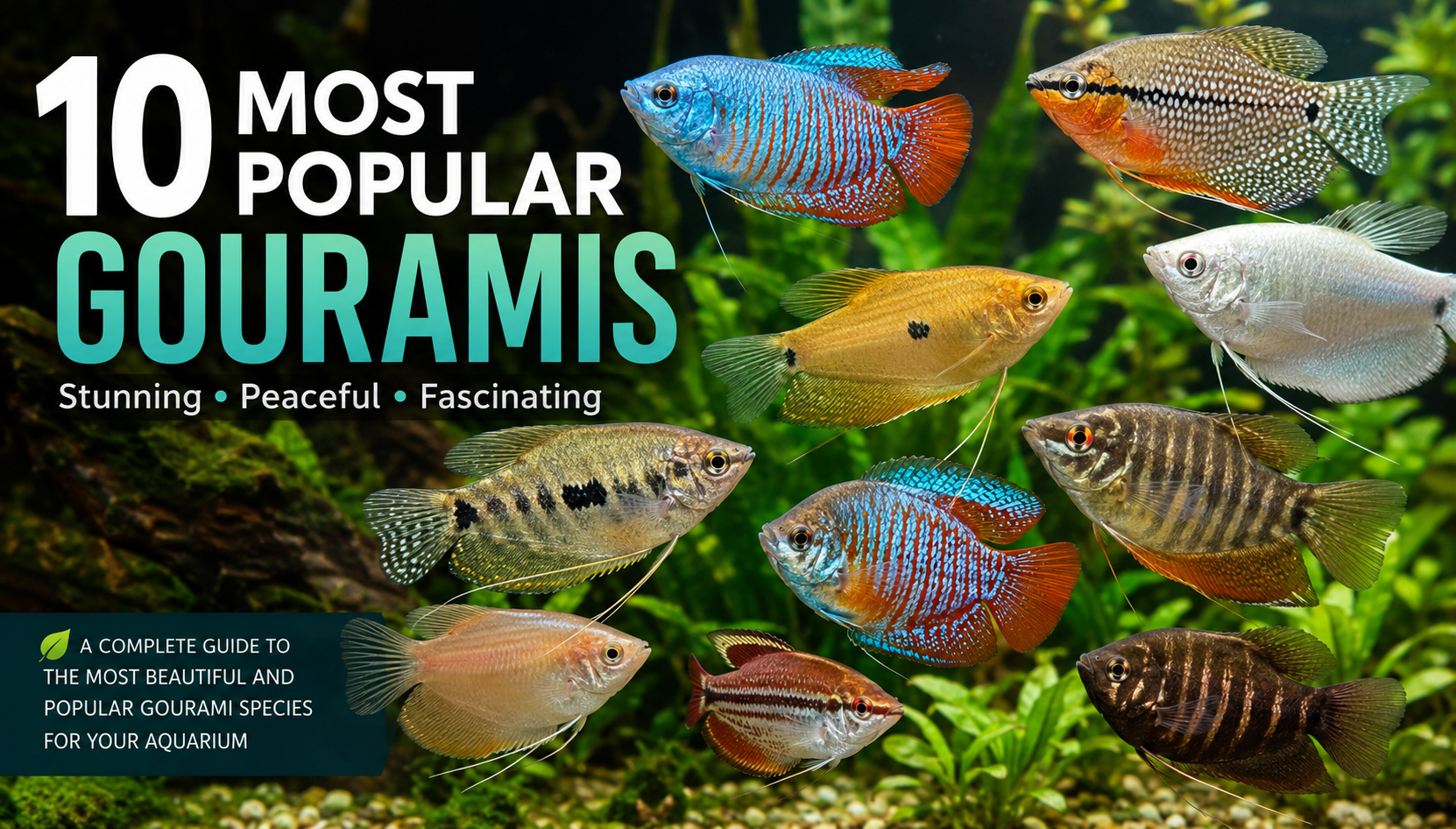
Discover the 10 most popular gourami species, from peaceful Honey Gouramis to stunning Pearl Gouramis. Learn about their care requirements, tank size, temperament, and how to choose the perfect gourami for your freshwater aquarium.
Gouramis are among the most popular freshwater aquarium fish, loved for their vibrant colours, fascinating behaviour, and generally peaceful nature. Most gourami species belong to the labyrinth fish family, meaning they possess a specialised organ that allows them to breathe atmospheric air. This adaptation enables them to thrive in calm, heavily planted waters where oxygen levels may naturally be lower.
Available in a wide range of sizes, colours and temperaments, there is a gourami suitable for almost every freshwater aquarium. Whether you're setting up your first community tank or looking for a stunning centrepiece fish, this guide covers ten of the most popular gourami species and how to care for them.
1. Dwarf Gourami (Trichogaster lalius)
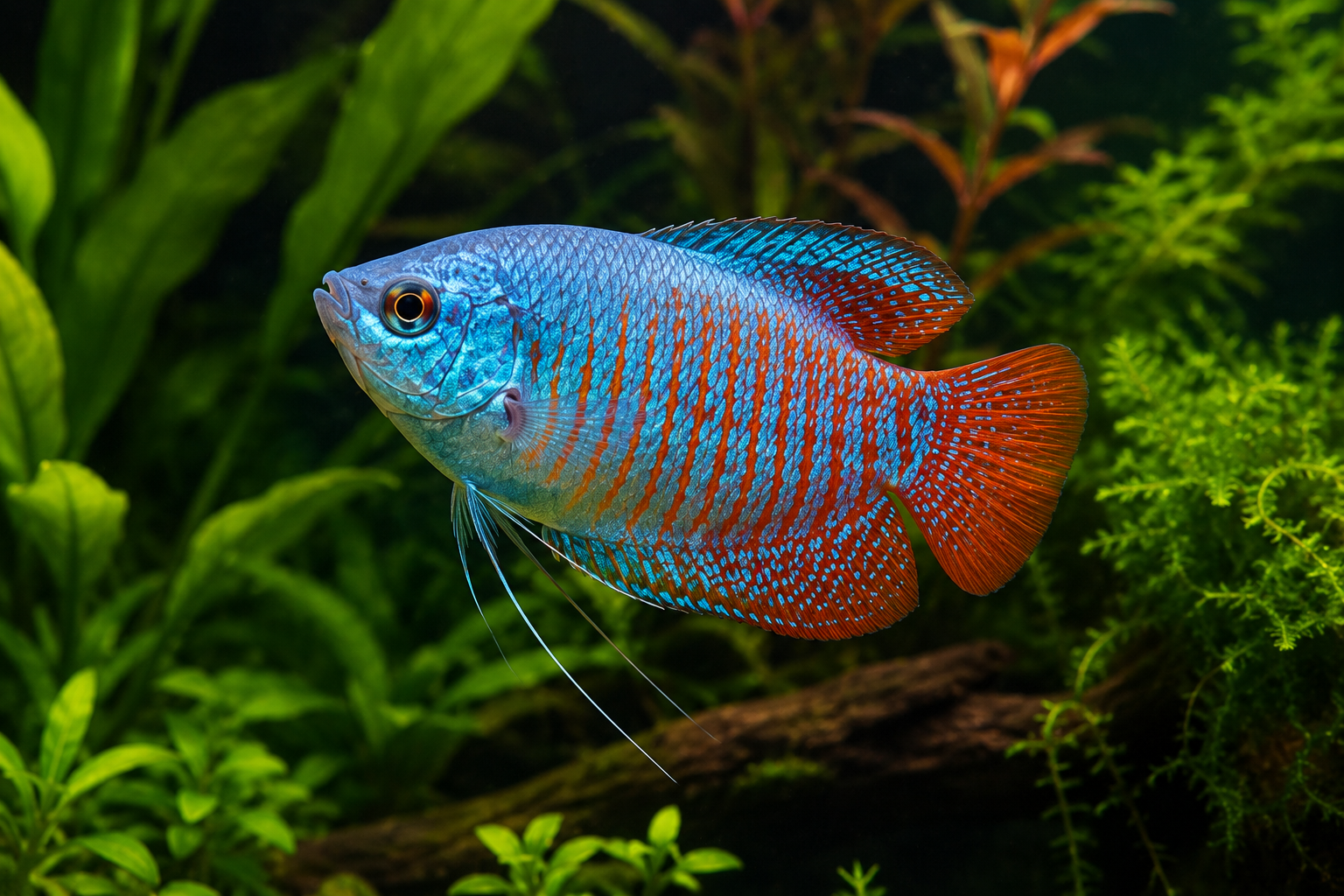
The Dwarf Gourami is one of the most colourful freshwater fish available. Males display brilliant blue and orange-red stripes that make them a real focal point in planted aquariums.
Adult size: 7–9 cm (3–3.5 inches)
Minimum aquarium: 60 litres (15 gallons)
Temperature: 24–28°C (75–82°F)
pH: 6.0–7.5
Temperament: Peaceful
Dwarf Gouramis are generally suitable for community aquariums with other peaceful fish. However, commercially bred specimens can be susceptible to Dwarf Gourami Iridovirus (DGIV), so it is worth purchasing fish from a reputable breeder or retailer.
2. Honey Gourami (Trichogaster chuna)
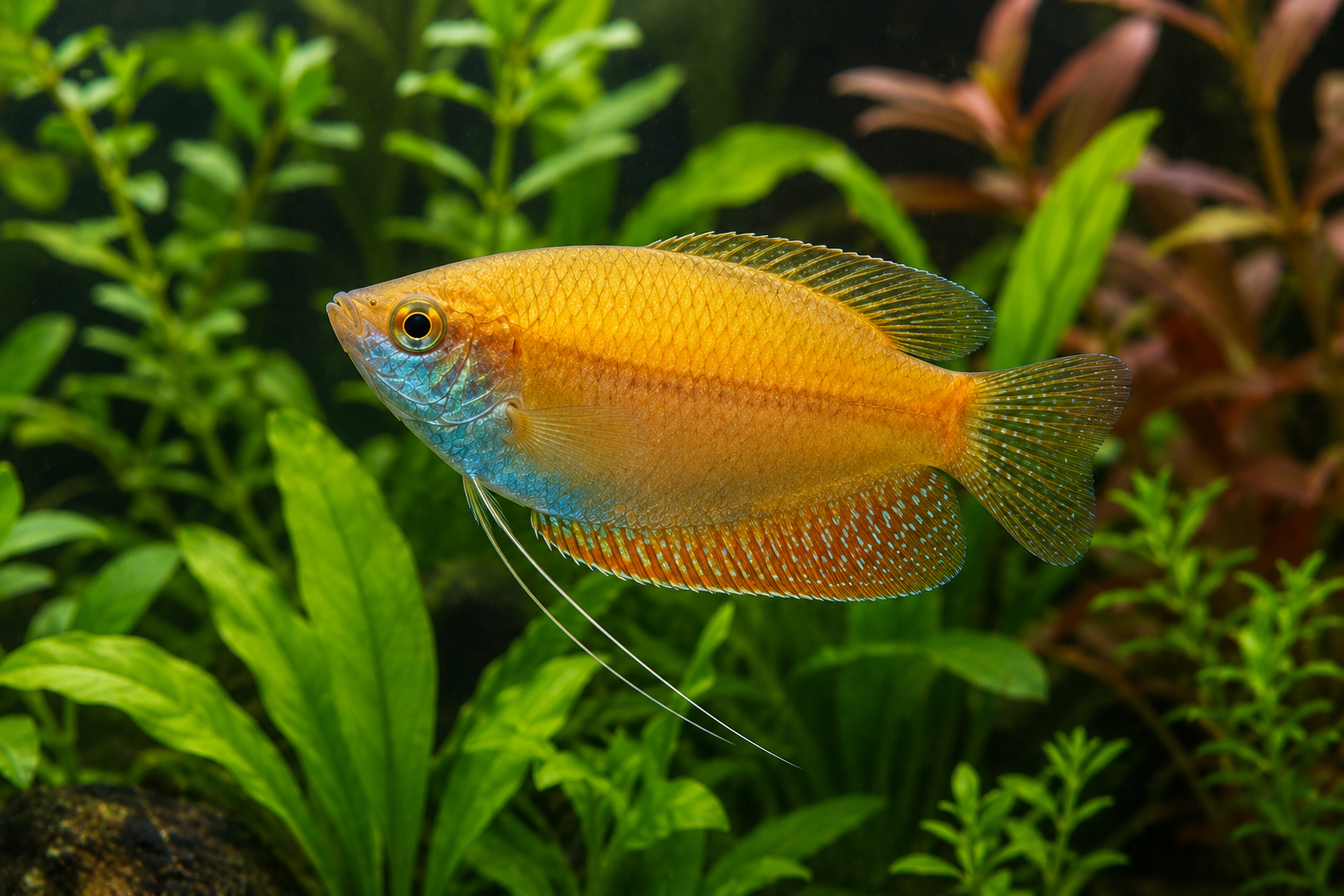
The Honey Gourami is one of the best gouramis for beginners. It remains small, has a calm temperament, and develops beautiful golden-orange colours, particularly in breeding males.
Adult size: 5–6 cm (2–2.5 inches)
Minimum aquarium: 45 litres (12 gallons)
Temperature: 22–28°C (72–82°F)
pH: 6.0–7.5
Temperament: Very peaceful
Honey Gouramis do particularly well in densely planted aquariums with floating plants and gentle water movement. They are excellent companions for tetras, rasboras and Corydoras catfish.
3. Pearl Gourami (Trichopodus leerii)
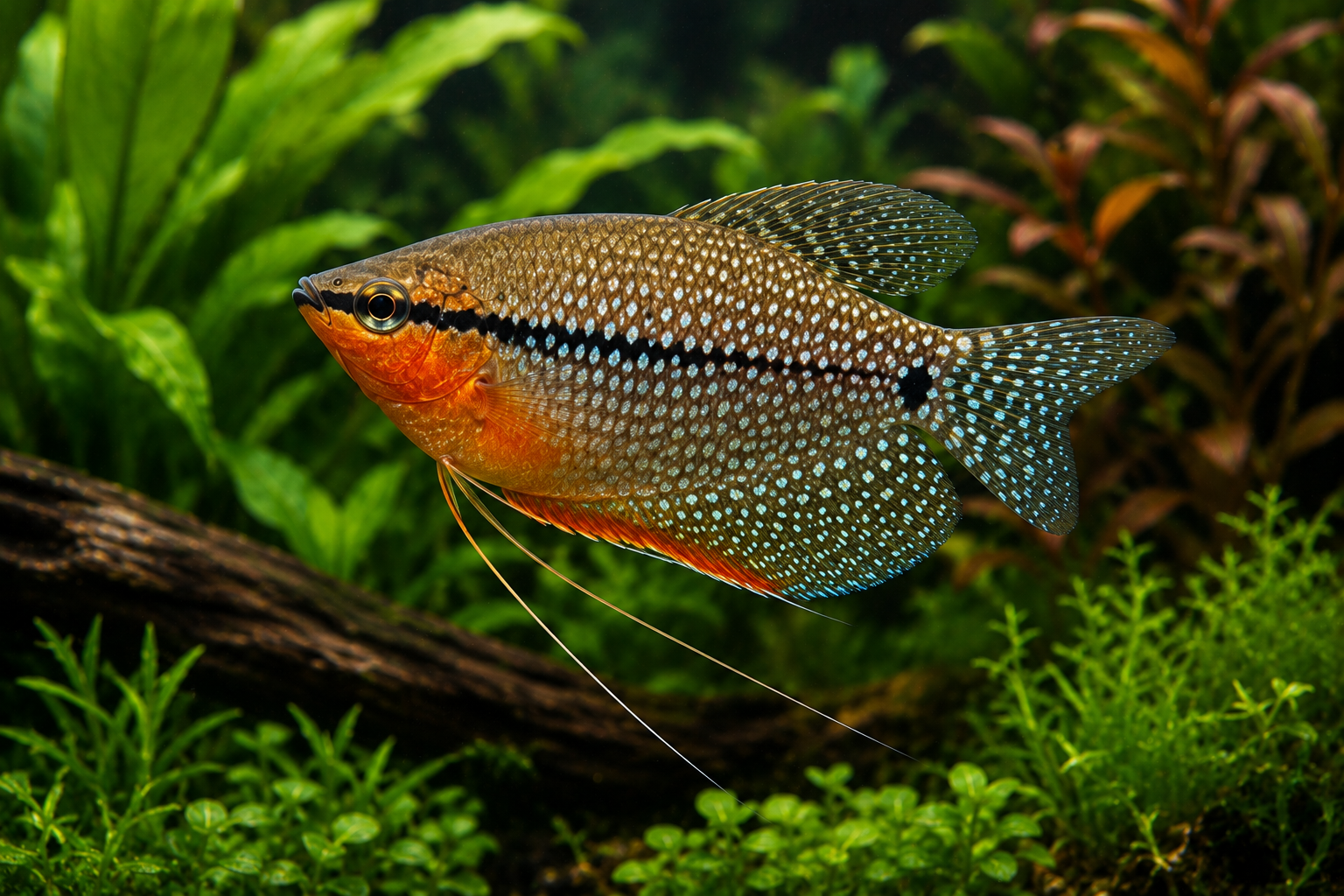
Many aquarists consider the Pearl Gourami to be the most beautiful gourami species. Its body is covered with shimmering white spots resembling pearls, while mature males develop an attractive orange-red chest and throat.
Adult size: 10–12 cm (4–5 inches)
Minimum aquarium: 125 litres (30 gallons)
Temperature: 24–28°C (75–82°F)
pH: 6.0–7.5
Temperament: Peaceful
Pearl Gouramis make excellent centrepiece fish for larger community aquariums and are generally less aggressive than many other medium-sized gourami species.
4. Three-Spot Gourami (Trichopodus trichopterus)
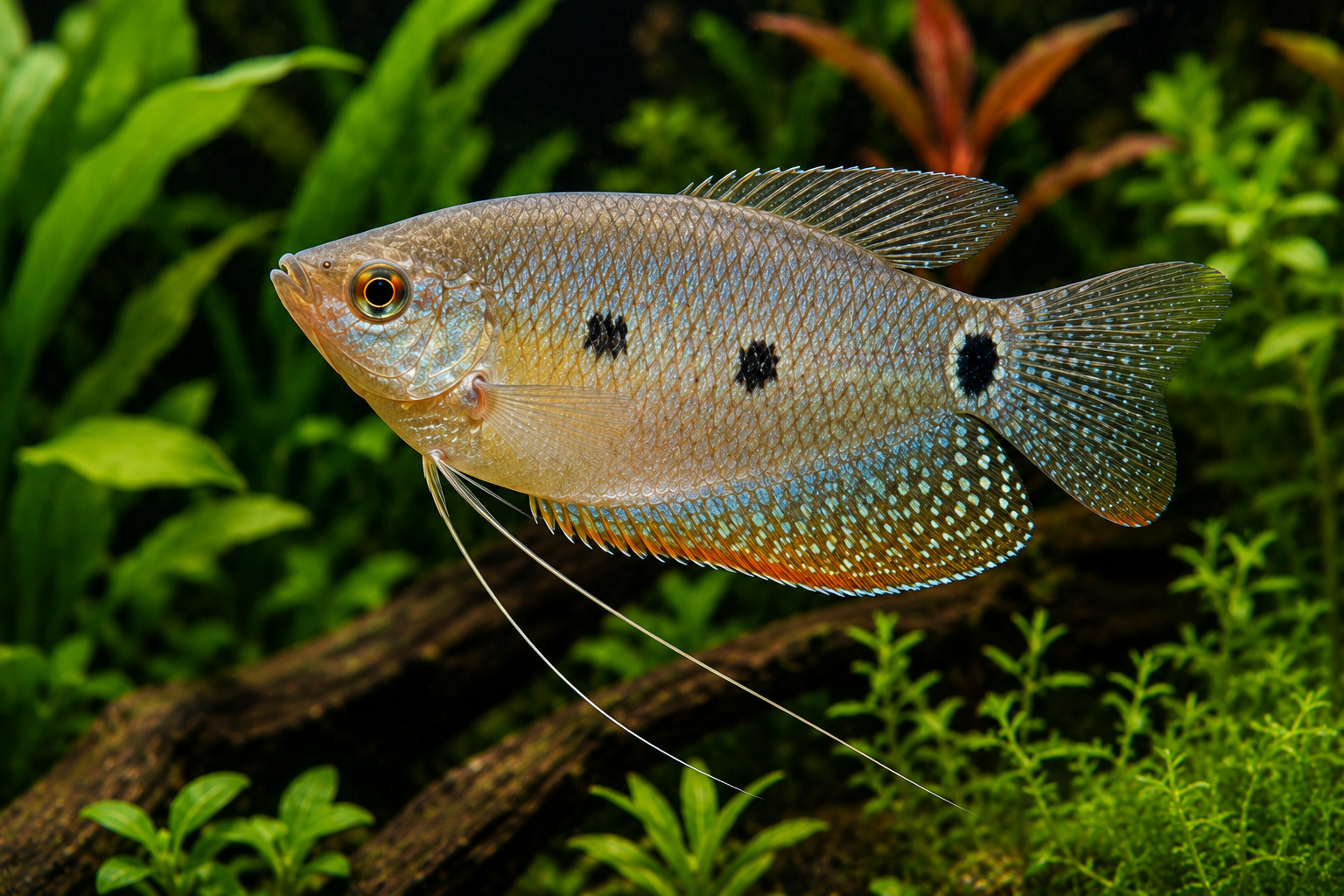
The Three-Spot Gourami is available in several colour forms, including Blue, Gold, Opaline, Platinum and Lavender. Despite their common name, they actually appear to have only two visible spots, with the eye acting as the third.
Adult size: 12–15 cm (5–6 inches)
Minimum aquarium: 180 litres (48 gallons)
Temperature: 22–28°C (72–82°F)
pH: 6.0–8.0
Temperament: Semi-aggressive
Males can become territorial, especially as they mature, so they are best kept with similarly sized community fish rather than timid species.
5. Moonlight Gourami (Trichopodus microlepis)
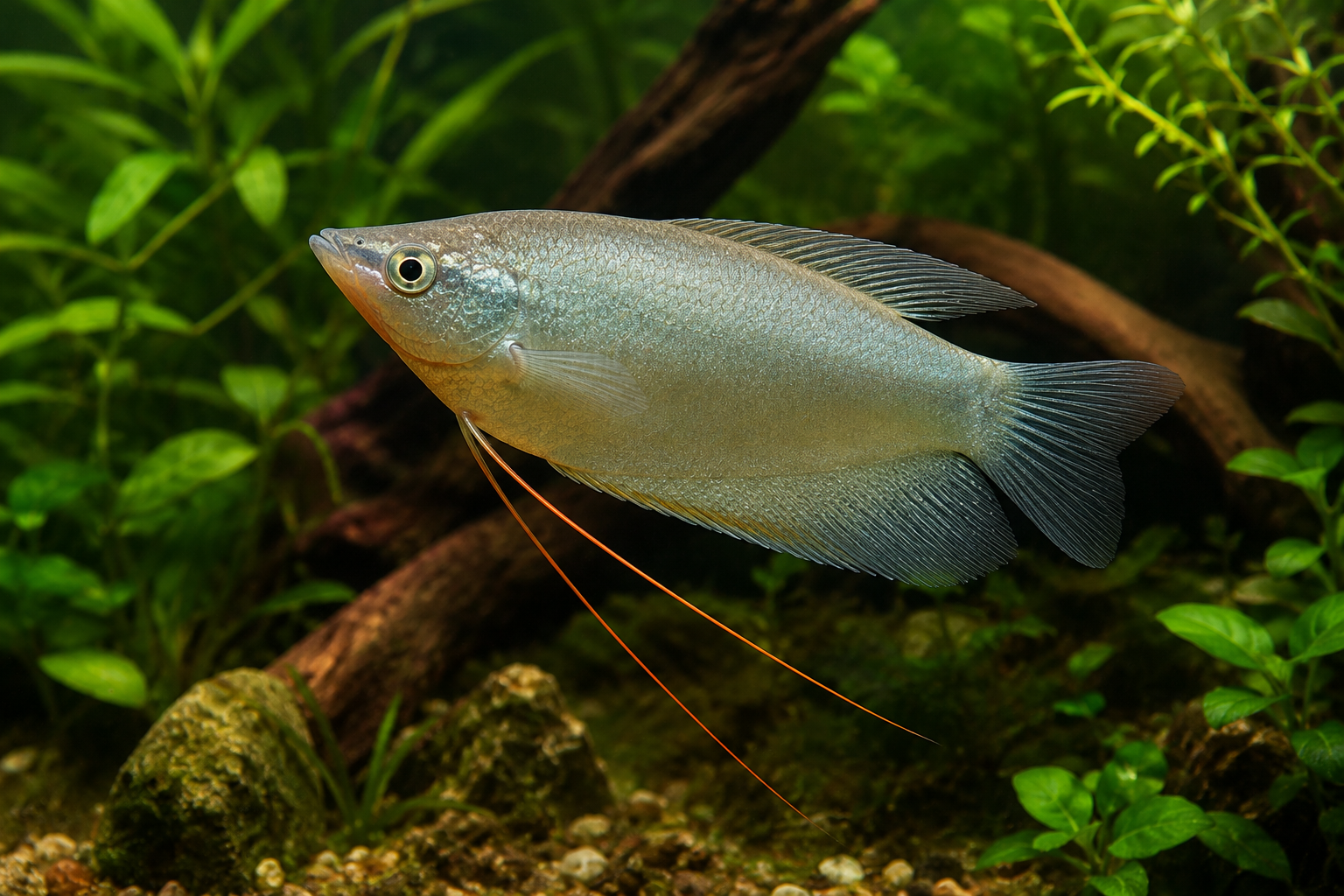
The Moonlight Gourami has a stunning silver body that shimmers under aquarium lighting. Its long red pelvic feelers create a striking contrast against its pale colouring.
Adult size: 15 cm (6 inches)
Minimum aquarium: 180 litres (48 gallons)
Temperature: 24–30°C (75–86°F)
pH: 6.0–7.5
Temperament: Peaceful
This species appreciates heavily planted aquariums with subdued lighting and plenty of swimming space.
6. Thick-Lipped Gourami (Trichogaster labiosa)
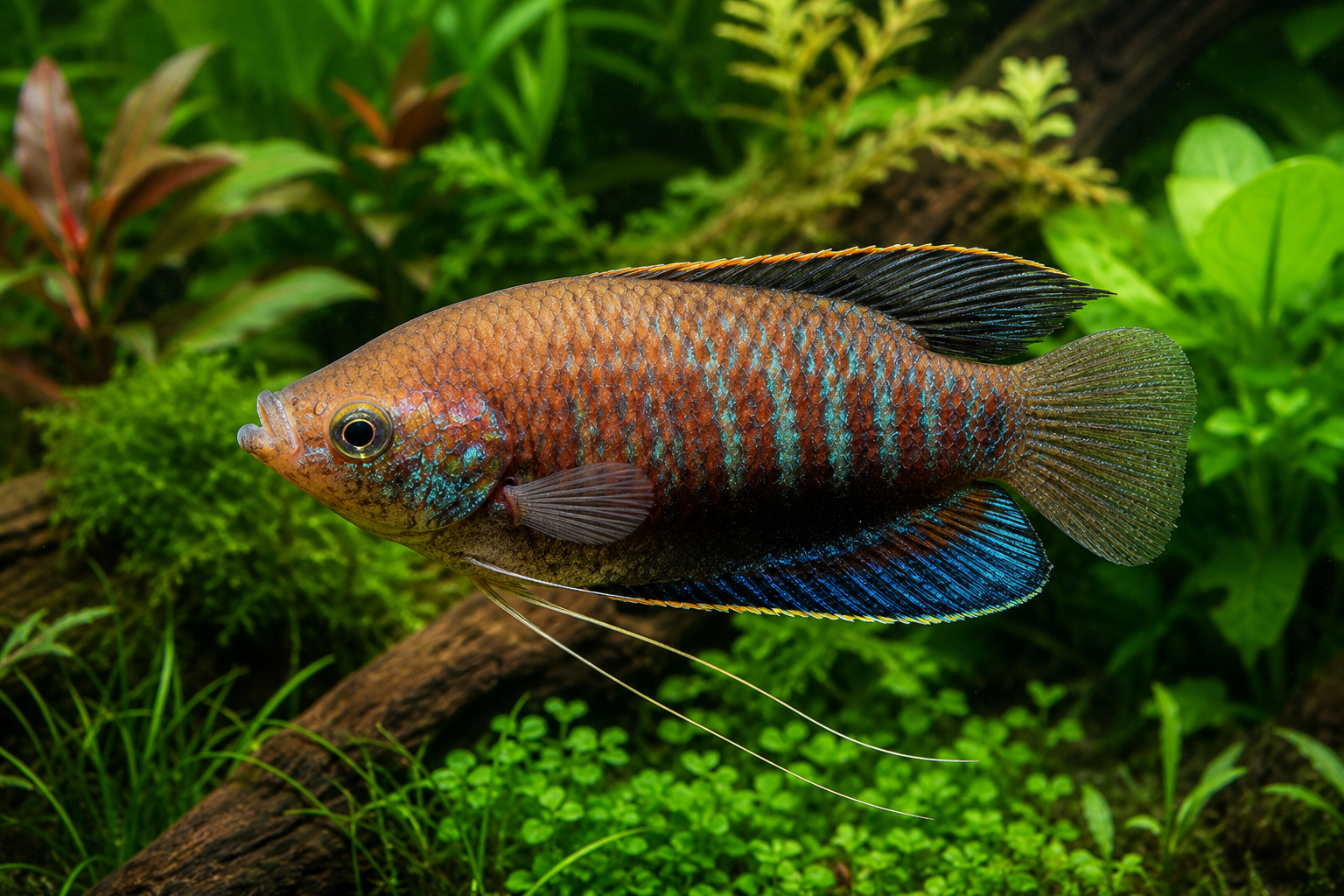
Often confused with the Dwarf Gourami, the Thick-Lipped Gourami is generally considered to be the hardier of the two species and is less prone to common health problems.
Adult size: 8–10 cm (3–4 inches)
Minimum aquarium: 75 litres (20 gallons)
Temperature: 24–28°C (75–82°F)
pH: 6.0–7.5
Temperament: Peaceful
It adapts well to community aquariums and tolerates a wider range of water conditions than many other gouramis.
7. Sparkling Gourami (Trichopsis pumila)
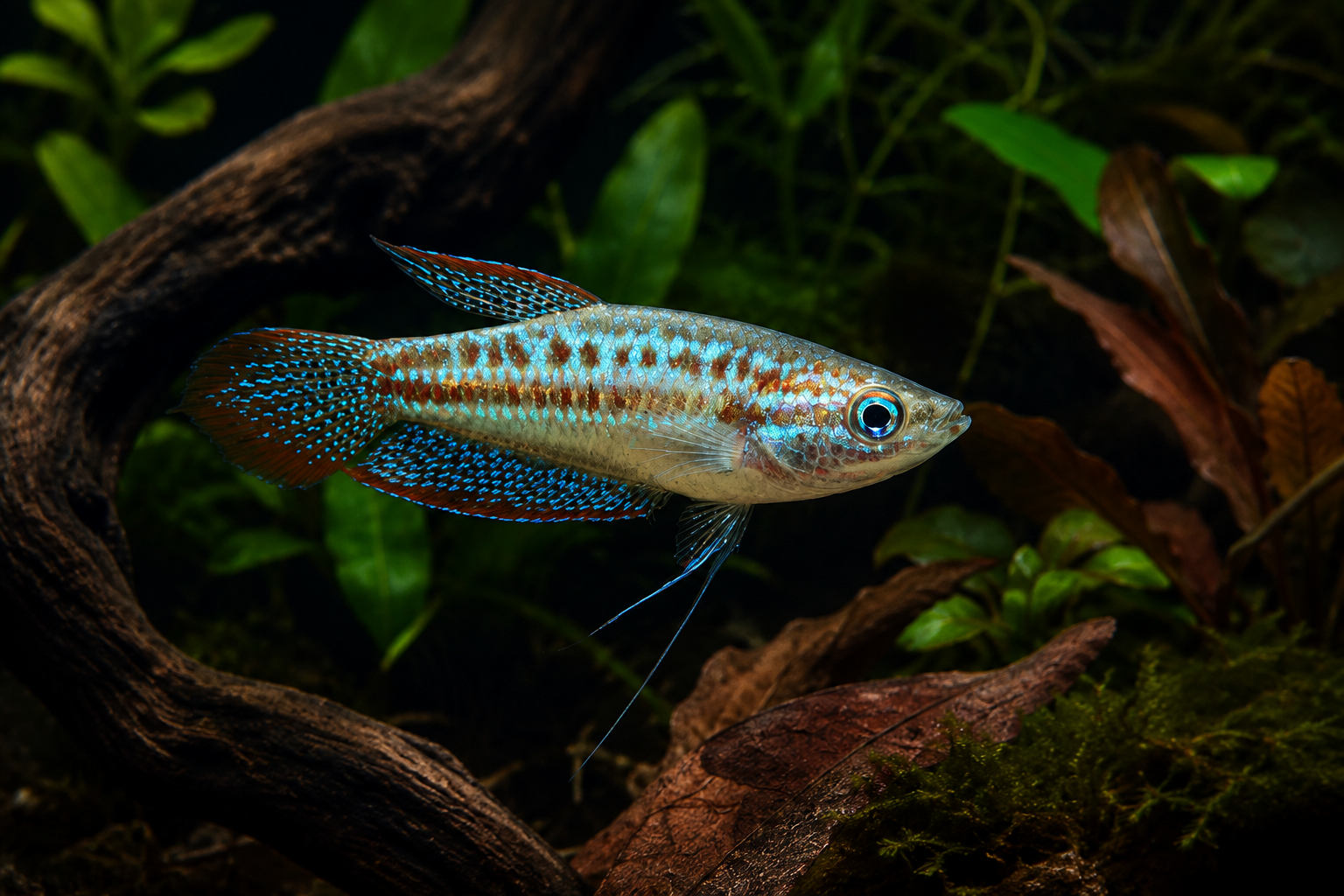
Despite being one of the smallest gouramis, the Sparkling Gourami has a huge personality. It is famous for producing audible clicking sounds during displays and courtship, making it one of the most interesting nano fish available.
Adult size: 3.5–4 cm (1.5 inches)
Minimum aquarium: 30 litres (8 gallons)
Temperature: 24–28°C (75–82°F)
pH: 5.5–7.5
Temperament: Peaceful
Sparkling Gouramis thrive in heavily planted nano aquariums with gentle filtration and dim lighting.
8. Croaking Gourami (Trichopsis vittata)
Named after the croaking sounds made during courtship and territorial disputes, the Croaking Gourami is another fascinating labyrinth fish.
Adult size: 6–7 cm (2.5 inches)
Minimum aquarium: 60 litres (15 gallons)
Temperature: 24–28°C (75–82°F)
pH: 6.0–7.5
Temperament: Peaceful
Although less colourful than some other gouramis, their unusual behaviour makes them a rewarding species to keep.
9. Chocolate Gourami (Sphaerichthys osphromenoides)
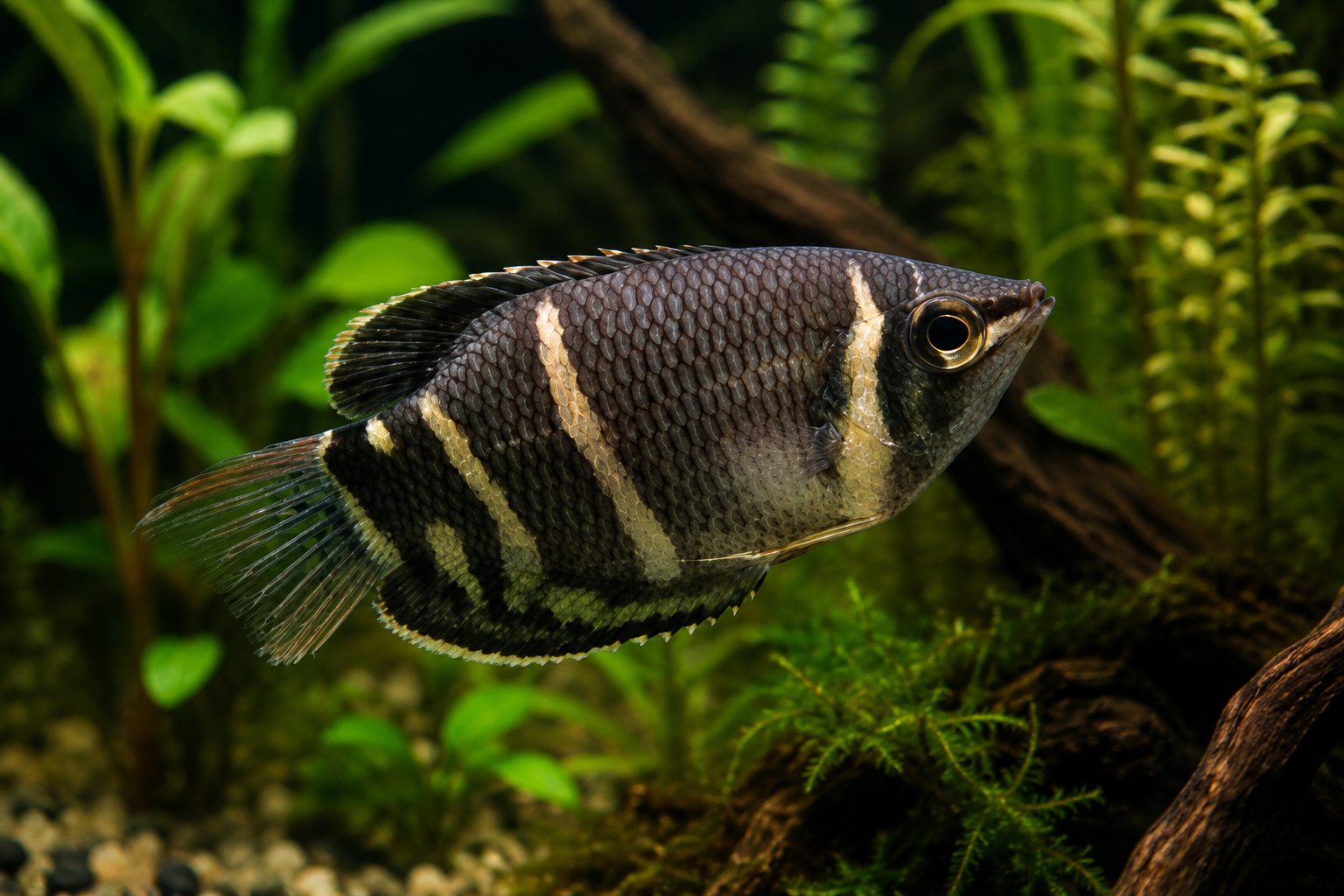
The Chocolate Gourami is one of the most attractive but also one of the most delicate gourami species. Its rich brown colouring and cream vertical bands make it highly sought after by experienced aquarists.
Adult size: 5–6 cm (2–2.5 inches)
Minimum aquarium: 60 litres (15 gallons)
Temperature: 26–30°C (79–86°F)
pH: 4.5–6.5
Temperament: Peaceful
Chocolate Gouramis require very soft, acidic water and are best kept in mature aquariums with stable water conditions. They are not recommended for beginners.
10. Giant Gourami (Osphronemus goramy)
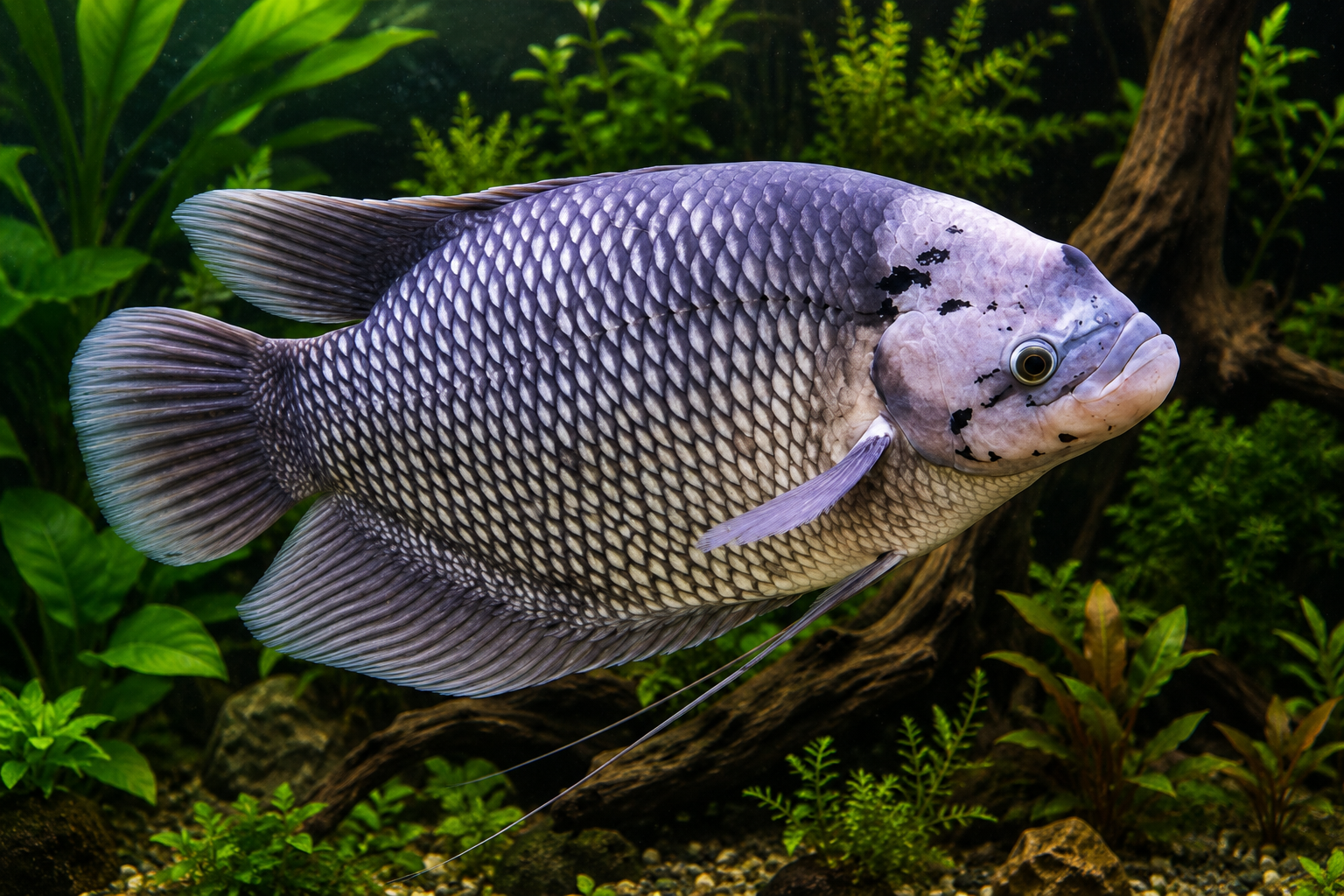
The Giant Gourami is the largest member of the gourami family and can grow to an impressive size. While juveniles are often sold in aquarium shops, many eventually outgrow typical home aquariums.
Adult size: Up to 70 cm (28 inches)
Minimum aquarium: 1,000 litres (265 gallons) or larger
Temperature: 24–30°C (75–86°F)
pH: 6.5–8.0
Temperament: Generally peaceful but extremely large
This species is only suitable for very large private aquariums, indoor ponds or public aquariums.
Creating the Perfect Gourami Aquarium
Most gouramis originate from slow-moving rivers, ponds and flooded forests across Southeast Asia. To recreate their natural habitat, provide plenty of live plants, driftwood and shaded areas. Floating plants such as Amazon Frogbit or Salvinia help diffuse the lighting and make gouramis feel more secure.
A gentle filter flow is also important, as most species dislike strong currents. Since gouramis regularly surface to breathe atmospheric air, always leave a gap between the water surface and the aquarium lid to allow access to warm, humid air.
Feeding Gouramis
Gouramis are omnivores and readily accept a varied diet. A quality tropical flakes or small pellet or granules should form the basis of their nutrition, supplemented several times each week with frozen or live foods such as bloodworms, daphnia, and brine shrimp.
They will also graze on small invertebrates and occasionally nibble soft algae, although they should not be relied upon as algae eaters.
Tank Mates
Most gouramis are peaceful enough for community aquariums, although larger species can become territorial.
Good tank mates include:
- Corydoras catfish
- Harlequin rasboras
- Neon tetras
- Cardinal tetras
- Rummy-nose tetras
- Cherry barbs
- Kuhli loaches
- Bristlenose plecos
Avoid housing multiple territorial male gouramis together in smaller aquariums, and avoid fin-nipping species such as Tiger Barbs, which may harass slow-moving gouramis.
Which Gourami is Best?
For beginners, the Honey Gourami is often the best choice thanks to its peaceful temperament, small size and hardiness.
If you're looking for a stunning centrepiece fish for a planted aquarium, the Pearl Gourami is difficult to beat. Its elegant appearance, calm nature and compatibility with most community fish make it one of the finest freshwater fish available.
For nano aquariums, the Sparkling Gourami offers incredible personality in a very small package.
Frequently Asked Questions
Are gouramis good beginner fish?
Yes. Honey Gouramis, Thick-Lipped Gouramis and Pearl Gouramis are excellent choices for beginners provided they are kept in appropriately sized aquariums with good water quality.
Can gouramis live with tetras?
Most peaceful gourami species live happily alongside tetras such as Neon Tetras, Cardinal Tetras, Rummy-nose Tetras and Ember Tetras.
Do gouramis need an air pump?
No. Gouramis possess a labyrinth organ that allows them to breathe atmospheric air. While they still require good water quality and filtration, additional aeration is not always necessary.
How long do gouramis live?
Most species live between 4 and 8 years with proper care, although Giant Gouramis can live well over 15 years in suitable conditions.
Can gouramis be kept alone?
Yes. Many gourami species do well either singly or in compatible pairs or groups, depending on the species. Research the specific requirements of each species before purchasing.
Final Thoughts
Gouramis are among the most rewarding freshwater fish to keep, offering a wonderful combination of colour, personality and fascinating behaviour. From the tiny Sparkling Gourami to the majestic Pearl Gourami and the impressive Giant Gourami, there is a species suited to almost every aquarium. By choosing the right species for your aquarium size and providing a well-planted environment with stable water conditions, your gouramis can thrive for many years and become the true centrepiece of your freshwater aquarium.
Products We've Mentioned & Recommend
Below you'll find a selection of products we've mentioned in this article, along with a few others we think you might find useful. We've included Amazon links to make them easy to find.
A quick word about affiliate links...
Some of these links are affiliate links, which means we may earn a small commission from qualifying purchases, at no extra cost to you.
Unfortunately, the commission doesn't quite stretch to cocktails on a yacht or a garage full of sports cars. In reality, it helps cover the running costs of this website and, with a bit of luck, might eventually buy me a new pair of waders that don't leak!
We only recommend products we genuinely believe are worth considering, and your support helps us keep sharing free advice from our years of working with aquariums and ponds.
Thanks for supporting Aquatic Specialist!
As an Amazon Associate I earn from qualifying purchases.
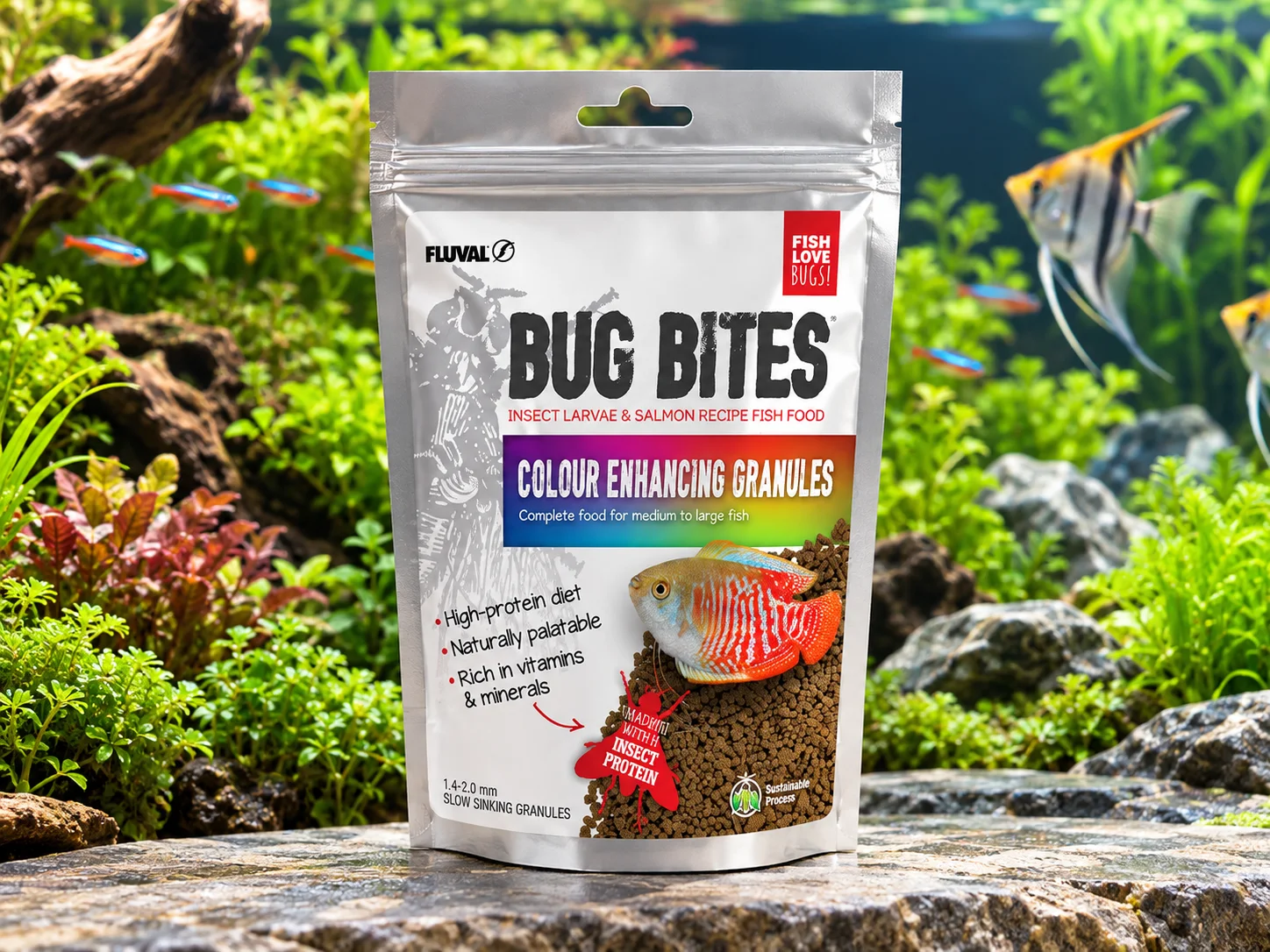
Fluval
Fluval Bug Bites Colour Enhancing Fish Food
Best for: Medium to large tropical fish and colourful community species
As an Amazon Associate, we earn from qualifying purchases.
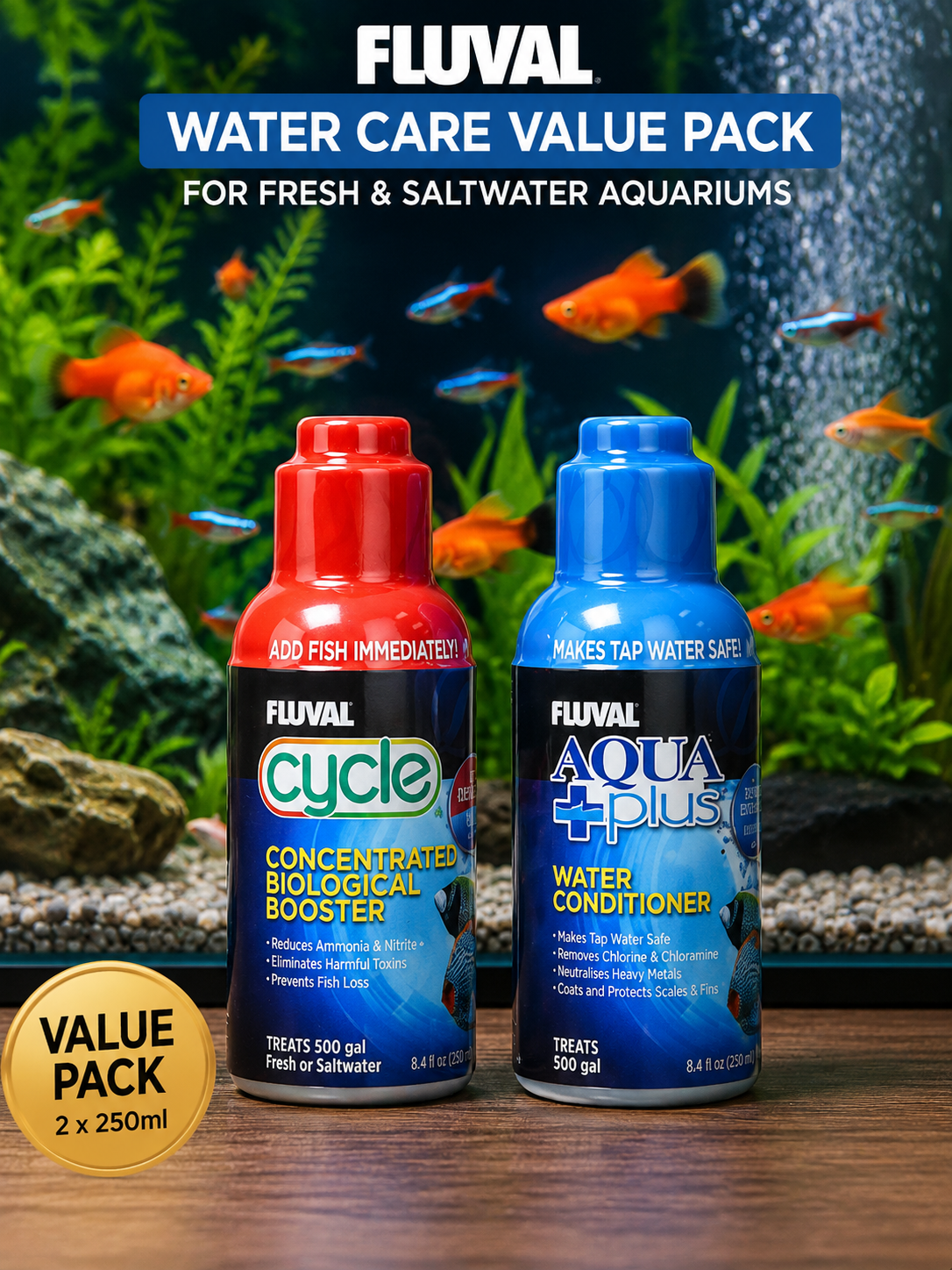
Fluval
Fluval Water Care Value Pack with Fluval Cycle & Aqua Plus, 500ml
Best for: New aquarium setups and routine water changes
As an Amazon Associate, we earn from qualifying purchases.
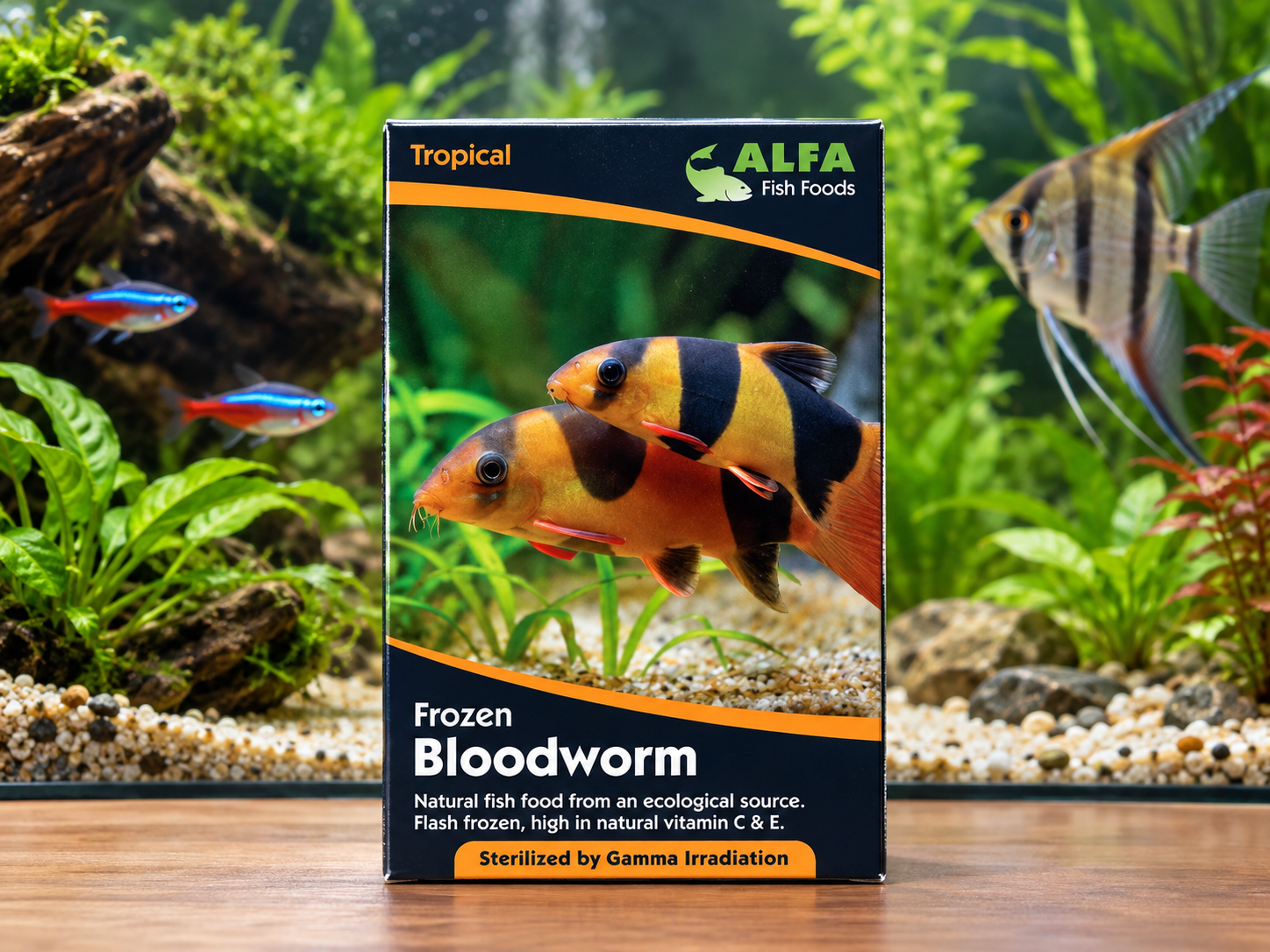
ALFA
Frozen Bloodworm Fish Food 10 Pack
Best for: Adding variety to tropical and coldwater fish diets
As an Amazon Associate, we earn from qualifying purchases.
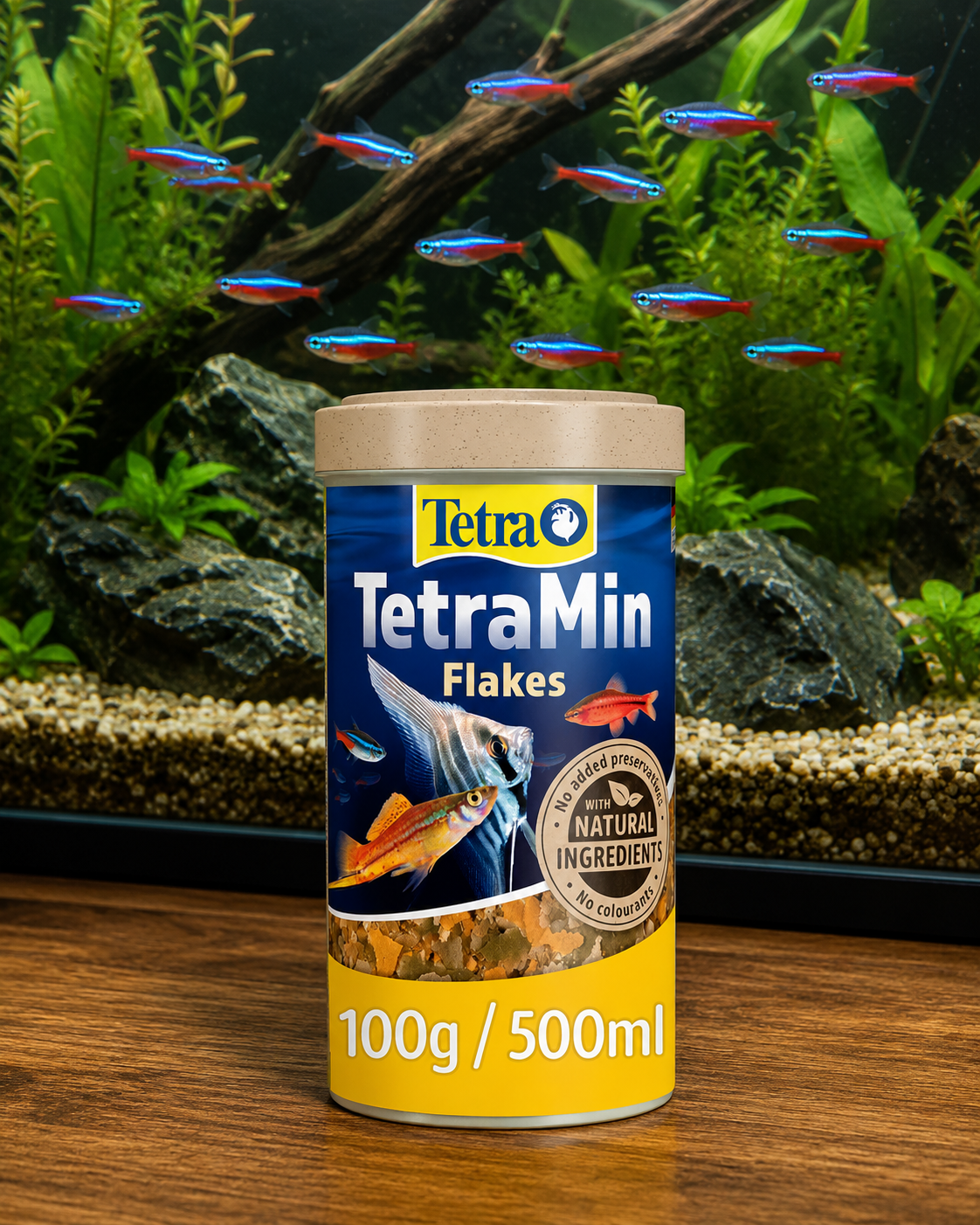
Tetra
Tetra Min Tropical Flake Food 500ml
Best for: Everyday feeding of tropical community fish
As an Amazon Associate, we earn from qualifying purchases.