Gold Tetra (Hemigrammus armstrongi)
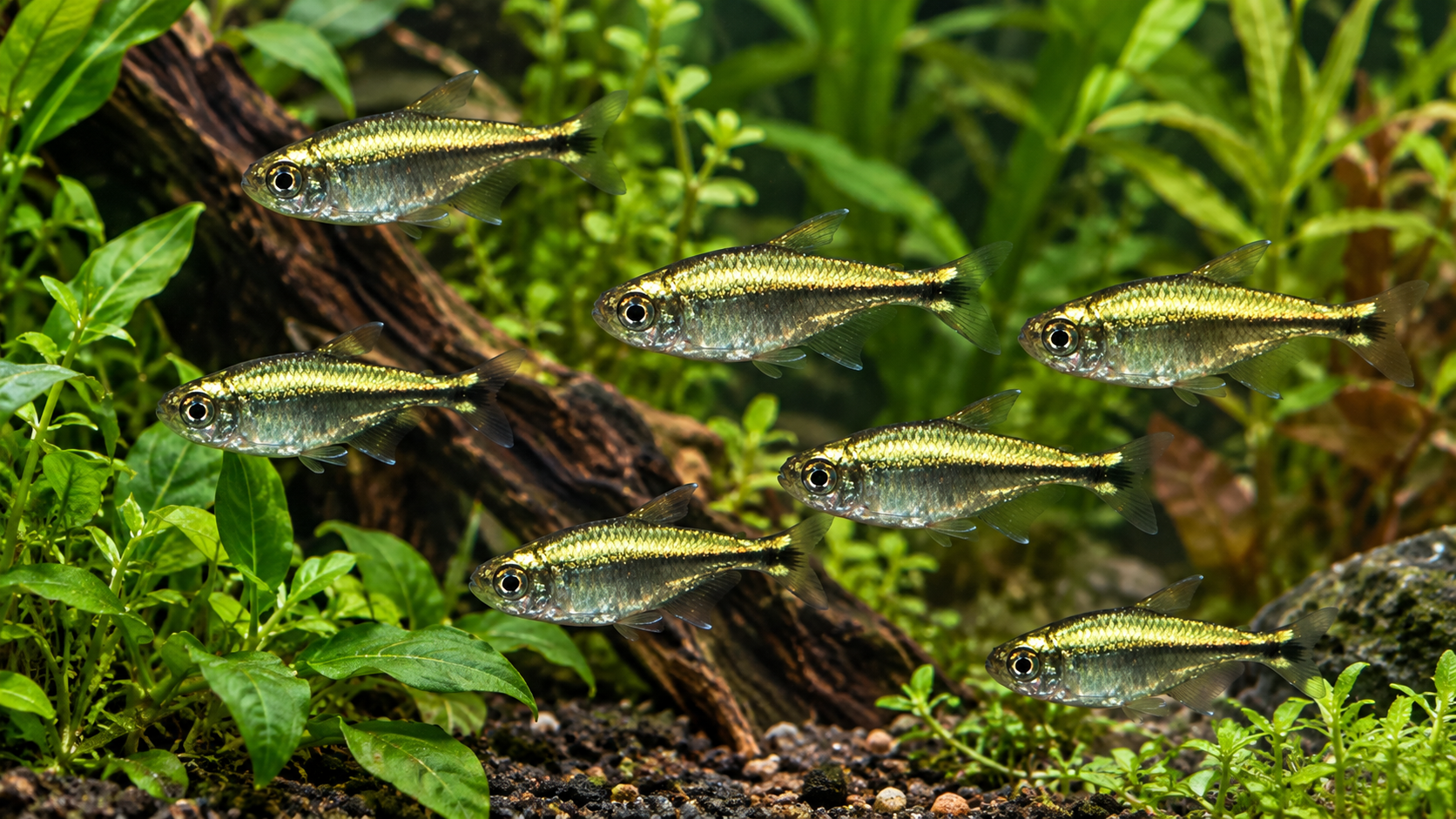
The Gold Tetra (Hemigrammus armstrongi) is a peaceful South American shoaling fish with attractive metallic golden colouration. Discover how to keep a healthy group, including their ideal aquarium setup, diet, water conditions, tank mates and breeding.
The Gold Tetra is an attractive South American tetra that is often overlooked in favour of more colourful and familiar species. Its appearance is more subtle than that of a Neon Tetra or Cardinal Tetra, but a healthy group can be extremely attractive. The body has a distinctive metallic golden sheen that catches the light as the fish moves, creating flashes of gold and silver throughout the aquarium.
Known scientifically as Hemigrammus armstrongi, the Gold Tetra is a small, peaceful shoaling fish that is well suited to planted community aquariums. It is relatively straightforward to keep, accepts most aquarium foods and can be mixed with a wide range of similarly peaceful species.
The Gold Tetra is particularly effective when kept as a reasonably large group. Rather than relying on the colour of an individual fish, much of its appeal comes from seeing a shoal moving together through plants and open water.
This is a fish that I've seen go in and out of fashion. A few years ago you never saw them in shops but suddenly they are back in. I'm not sure why they sometimes fish seem to do this, particularly something like the Gold Tetra. They look amazing in planted aquariums and it is a fish that I'm using more and more.
Natural habitat
Gold Tetras originate from tropical South America, where they inhabit freshwater environments associated with river systems and tributaries. Their natural surroundings can contain considerable amounts of vegetation, submerged branches, roots and fallen leaves.
These habitats are often relatively sheltered. Overhanging vegetation can reduce the intensity of sunlight reaching the water, while decomposing leaves and wood release tannins and other organic compounds. Depending on the location, this can give the water a yellowish or brown appearance.
It isn't necessary to recreate these conditions exactly in an aquarium, but they provide a useful indication of the type of environment in which Gold Tetras tend to look and behave at their best. A planted aquarium containing natural wood and some shaded areas provides plenty of security while still allowing the fish enough open water for swimming.
Appearance and size
Adult Gold Tetras generally reach around 4–5 cm in length. They have a relatively streamlined body and are active swimmers, spending much of their time in the middle levels of the aquarium.
The most distinctive feature is the metallic colouration. Depending on the aquarium lighting and the angle from which the fish is viewed, the body can appear silver, yellow or distinctly golden. When several fish change direction together, their reflective scales can create an attractive shimmering effect.
Their appearance can vary considerably depending on their condition. Gold Tetras that have recently been transported or are being kept in brightly illuminated shop aquariums may initially look quite pale. Once established in a suitable aquarium and provided with a varied diet, their colouration can become much more noticeable.
A darker substrate and background can also make a considerable difference. The metallic body tends to stand out more strongly against darker surroundings than it does in a brightly decorated aquarium with pale gravel.
Aquarium requirements
A group of Gold Tetras can be kept in an aquarium of around 60 litres or larger, although providing additional swimming space is worthwhile. A longer aquarium is preferable to a very tall tank because these fish make good use of horizontal swimming space.
The aquarium can be planted reasonably heavily around the rear and sides while leaving an open area through the centre or front. This gives the fish somewhere to retreat when they want cover without preventing the group from swimming freely.
There is no need to use exclusively South American plants unless you specifically want to create a biotope aquarium. Amazon Swords and other South American plants can certainly be used, but Cryptocoryne wendtii Green, Java Fern, Anubias Nana and many common stem plants are equally suitable from a practical point of view.
Pieces of bogwood or branching aquarium wood can add further structure. Some aquarists may also choose to add dried leaves to sections of the substrate. These can create a more natural appearance and gradually release tannins into the water.
Gold Tetras are shoaling fish and should not be kept individually. Six should be considered a sensible minimum, but groups of eight to twelve or more will usually produce a much better display. A larger shoal also allows the fish to exhibit more natural social behaviour.
When comfortable, the fish may not remain in a tightly packed shoal all of the time. Individuals often spread around the aquarium and then regroup when disturbed or when moving between different areas. This is normal behaviour and is generally a sign that the fish feel secure.
Water conditions
Gold Tetras are tropical fish and can be maintained at approximately 23–27°C, with around 24–25°C being suitable for most community aquariums.
Their natural waters tend to be relatively soft and often slightly acidic, but captive fish can usually adapt to a reasonable range of aquarium conditions. Stability is generally more important than attempting to achieve a precise pH by continually altering the water chemistry.
If local tap water is within a reasonable range and the fish have already been acclimatised to similar conditions, maintaining those conditions consistently is often preferable to making unnecessary adjustments.
As with other tetras, Gold Tetras require good water quality. Ammonia and nitrite should remain at zero, while nitrate should be controlled through appropriate stocking levels, sensible feeding and regular partial water changes.
They do not require particularly powerful water movement. A mature aquarium filter providing gentle to moderate circulation is normally sufficient, particularly if the aquarium is planted.
Feeding Gold Tetras
Gold Tetras are omnivorous and generally very easy to feed in captivity. A good-quality flakes, small pellet or micro- granules can provide the basis of their diet.
Adding some variety will help keep the fish in better condition. Frozen foods such as daphnia, Cyclops, Artemia and bloodworms can all be offered, while appropriately sized live foods can encourage natural hunting and feeding behaviour.
Their mouths are relatively small, so food should be appropriately sized. Larger flakes can easily be crushed before they are added to the aquarium.
Small amounts of food once or twice a day are generally preferable to a large quantity at a single feeding. Gold Tetras are active feeders and should respond quickly when food enters the aquarium. Any significant loss of appetite can therefore be an early indication that something may be wrong.
Temperament and suitable tank mates
Gold Tetras are peaceful community fish and can be combined with many other small tropical species.
Other peaceful tetras make obvious companions, while Corydoras catfish work particularly well because they occupy a different area of the aquarium. Small rasboras and other similarly peaceful shoaling fish can also be suitable where their temperature and water requirements are compatible.
In a South American community aquarium, Gold Tetras can be combined with Corydoras, pencilfish and some of the smaller, more peaceful dwarf cichlids. A planted aquarium containing a large shoal of Gold Tetras above a group of Corydoras can make a particularly natural-looking display.
Large or predatory species should be avoided. Although Gold Tetras are relatively quick, their small size makes them potential prey for larger fish. Very aggressive or excessively boisterous tank mates can also prevent the shoal from behaving naturally.
Keeping enough Gold Tetras together is important. A small number may be less confident and spend more time hiding, whereas a larger group usually becomes considerably more active in open areas of the aquarium.
Breeding
Gold Tetras can be bred in captivity, although breeding them deliberately is easier in a separate aquarium than in a community setup.
Like many small tetras, they are egg scatterers and provide no parental care. The adults may eat the eggs after spawning, so simply allowing a pair to breed in the main aquarium is unlikely to produce many surviving young.
Adults can be conditioned before breeding with a varied diet containing live and frozen foods. A pair or small group can then be introduced to a separate breeding aquarium containing fine-leaved plants, spawning mops or mesh that allows the eggs to fall beyond the reach of the adults.
Soft, slightly acidic water can help when attempting to breed the species. Lighting should be relatively subdued, particularly once eggs have been laid.
After spawning, the adults should be removed. The fry are extremely small when they first become free swimming and initially require correspondingly tiny foods. Infusoria or specialist fry foods may be required before they become large enough to take newly hatched Artemia.
Good water quality is particularly important during this stage. Small, regular water changes can help maintain clean conditions without causing sudden changes in temperature or water chemistry.
An understated but attractive tetra
Gold Tetras may not immediately attract the same attention as some of the more brightly coloured members of the tetra family, but they can become surprisingly impressive once properly established.
Much of their appeal comes from keeping them in a good-sized group. A single fish cannot demonstrate the shimmering effect created when an entire shoal turns together and catches the aquarium lighting. In a planted aquarium with a dark background and plenty of natural structure, their metallic colouration can become one of the most noticeable features of the tank.
They are also relatively straightforward fish to accommodate. Their small adult size allows them to be kept in moderately sized aquariums, their peaceful temperament makes them compatible with many community species, and feeding them presents few difficulties.
As with many tetras, buying a healthy group and giving them time to settle is important. Fish that initially appear pale in an aquatic shop can look very different after several weeks in a mature aquarium with stable water conditions and a varied diet.
For aquarists looking for a South American shoaling fish that is a little less common than the usual Neon or Cardinal Tetra, the Gold Tetra is well worth considering. Its combination of peaceful behaviour, manageable size and distinctive metallic colouration makes Hemigrammus armstrongi an attractive addition to a planted freshwater community aquarium.
Products We've Mentioned & Recommend
Below you'll find a selection of products we've mentioned in this article, along with a few others we think you might find useful. We've included Amazon links to make them easy to find.
A quick word about affiliate links...
Some of these links are affiliate links, which means we may earn a small commission from qualifying purchases, at no extra cost to you.
Unfortunately, the commission doesn't quite stretch to cocktails on a yacht or a garage full of sports cars. In reality, it helps cover the running costs of this website and, with a bit of luck, might eventually buy me a new pair of waders that don't leak!
We only recommend products we genuinely believe are worth considering, and your support helps us keep sharing free advice from our years of working with aquariums and ponds.
Thanks for supporting Aquatic Specialist!
As an Amazon Associate I earn from qualifying purchases.
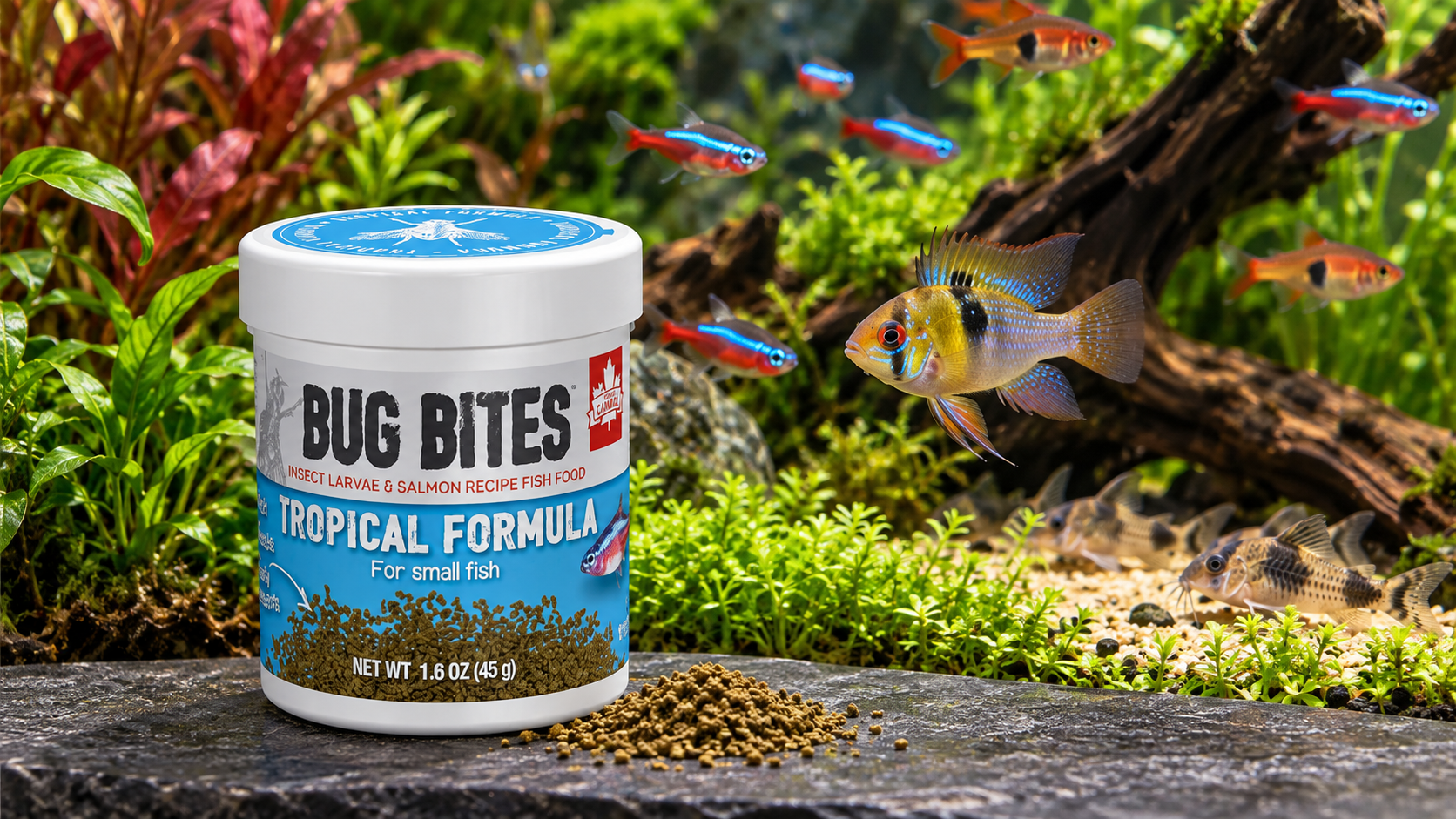
Fluval
Fluval Bug Bites Tropical Formula for small fish
Best for: Small tropical fish and dwarf cichlids
As an Amazon Associate, we earn from qualifying purchases.
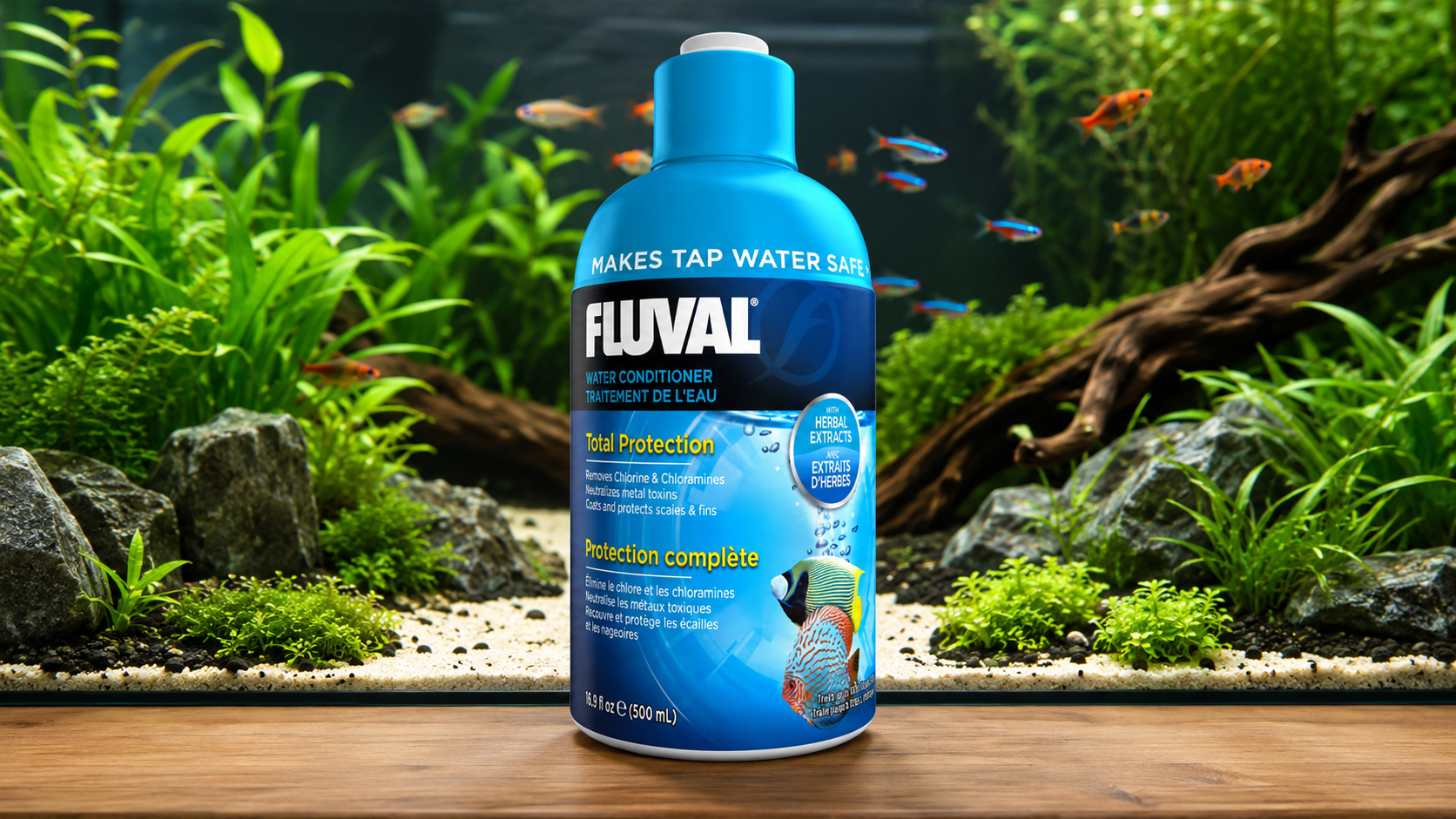
Fluval
Fluval Aqua Plus 500ml aquarium water conditioner
Best for: Routine water changes in freshwater and tropical aquariums
As an Amazon Associate, we earn from qualifying purchases.
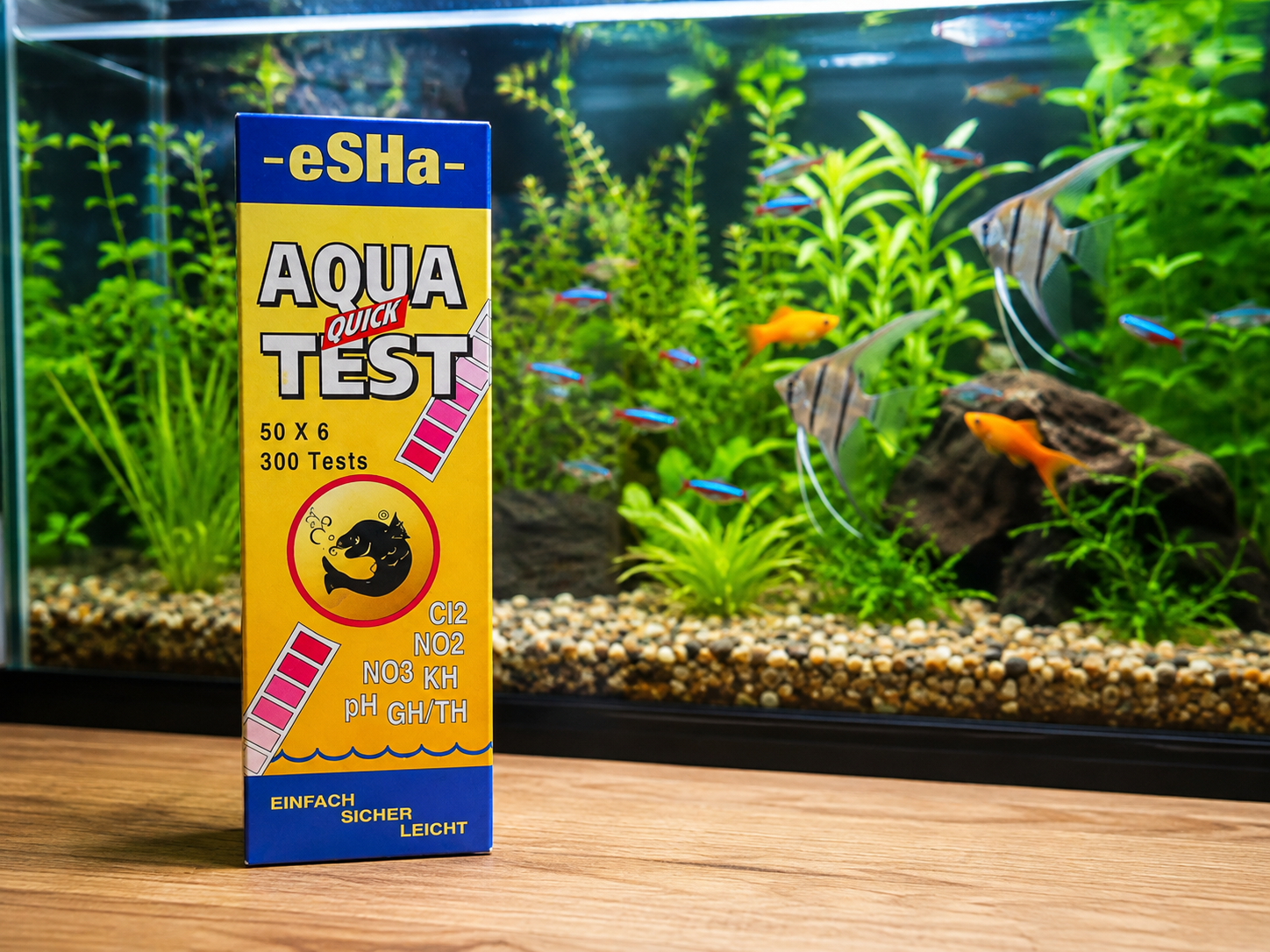
Esha
ESHA Aqua Quicktest
Best for: Fast routine water-quality checks in freshwater aquariums.
As an Amazon Associate, we earn from qualifying purchases.
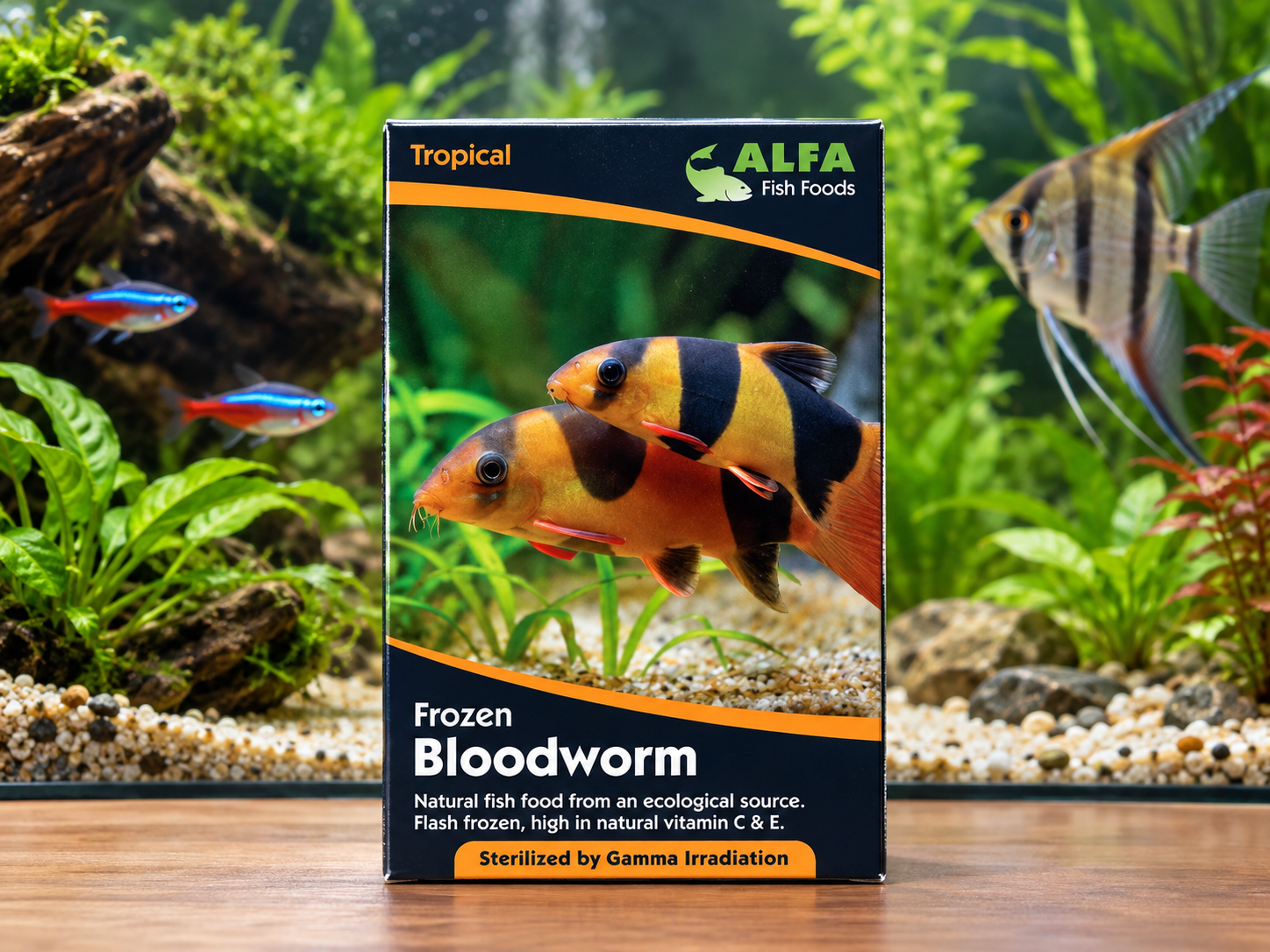
ALFA
Frozen Bloodworm Fish Food 10 Pack
Best for: Adding variety to tropical and coldwater fish diets
As an Amazon Associate, we earn from qualifying purchases.
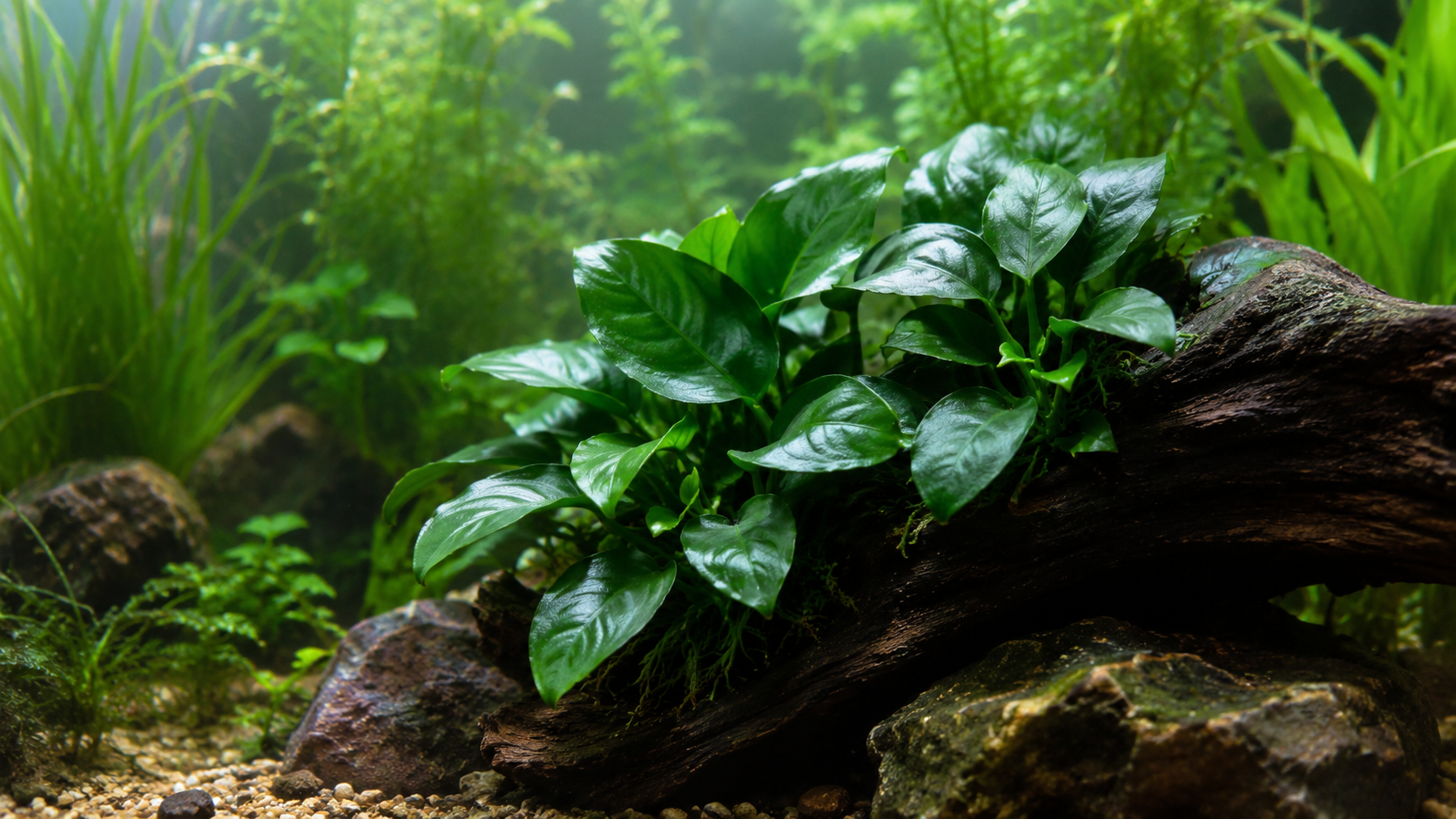
Anubias Nana
Best for: Beginners, low-light aquariums and low-tech planted tanks
As an Amazon Associate, we earn from qualifying purchases.
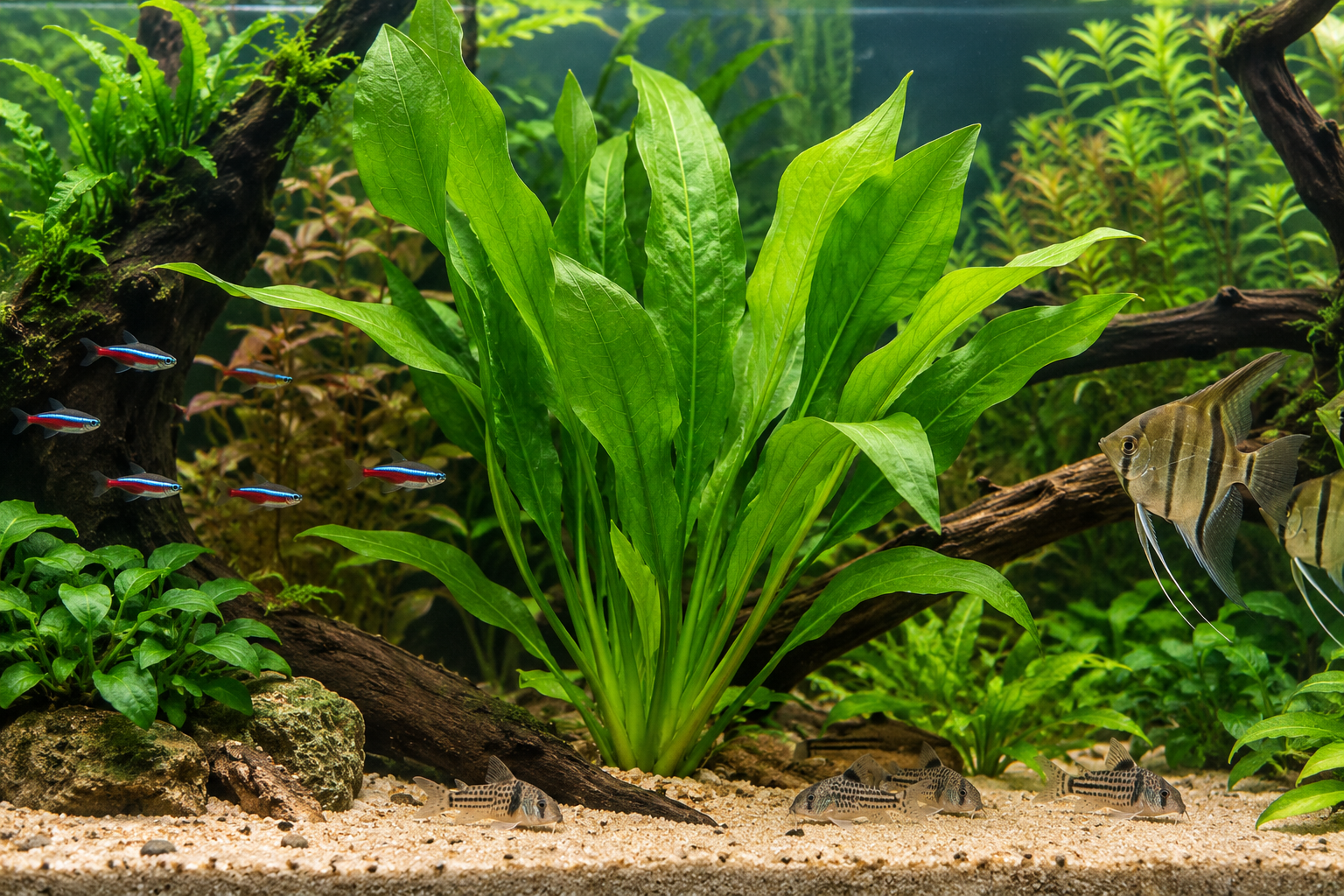
Echinodorus Bleheri - Amazon Sword
Best for: Amazon biotopes, tropical community aquariums and larger planted tanks
As an Amazon Associate, we earn from qualifying purchases.
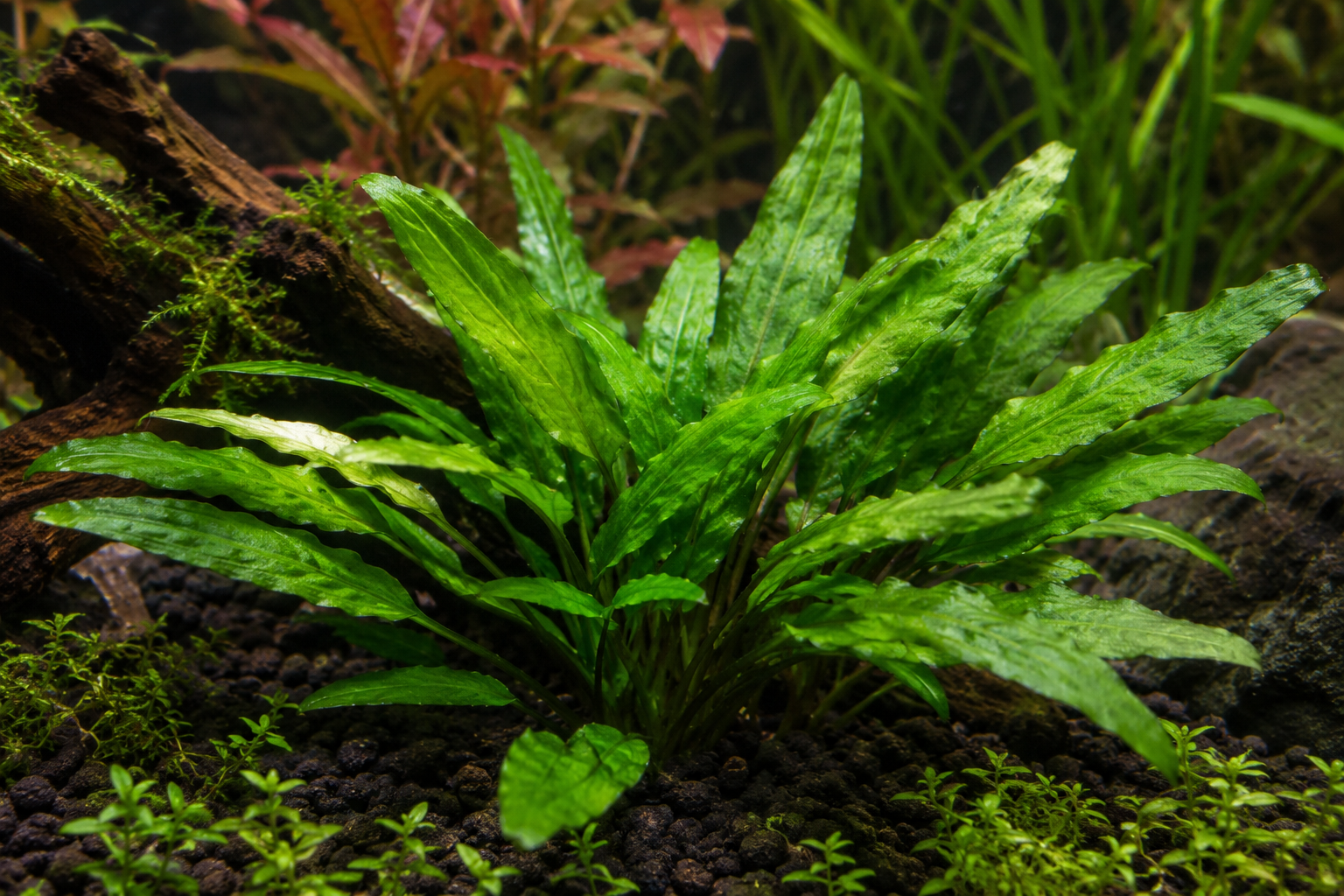
Cryptocoryne wendtii Green
Best for: Beginners, low-tech aquariums and midground planting
As an Amazon Associate, we earn from qualifying purchases.
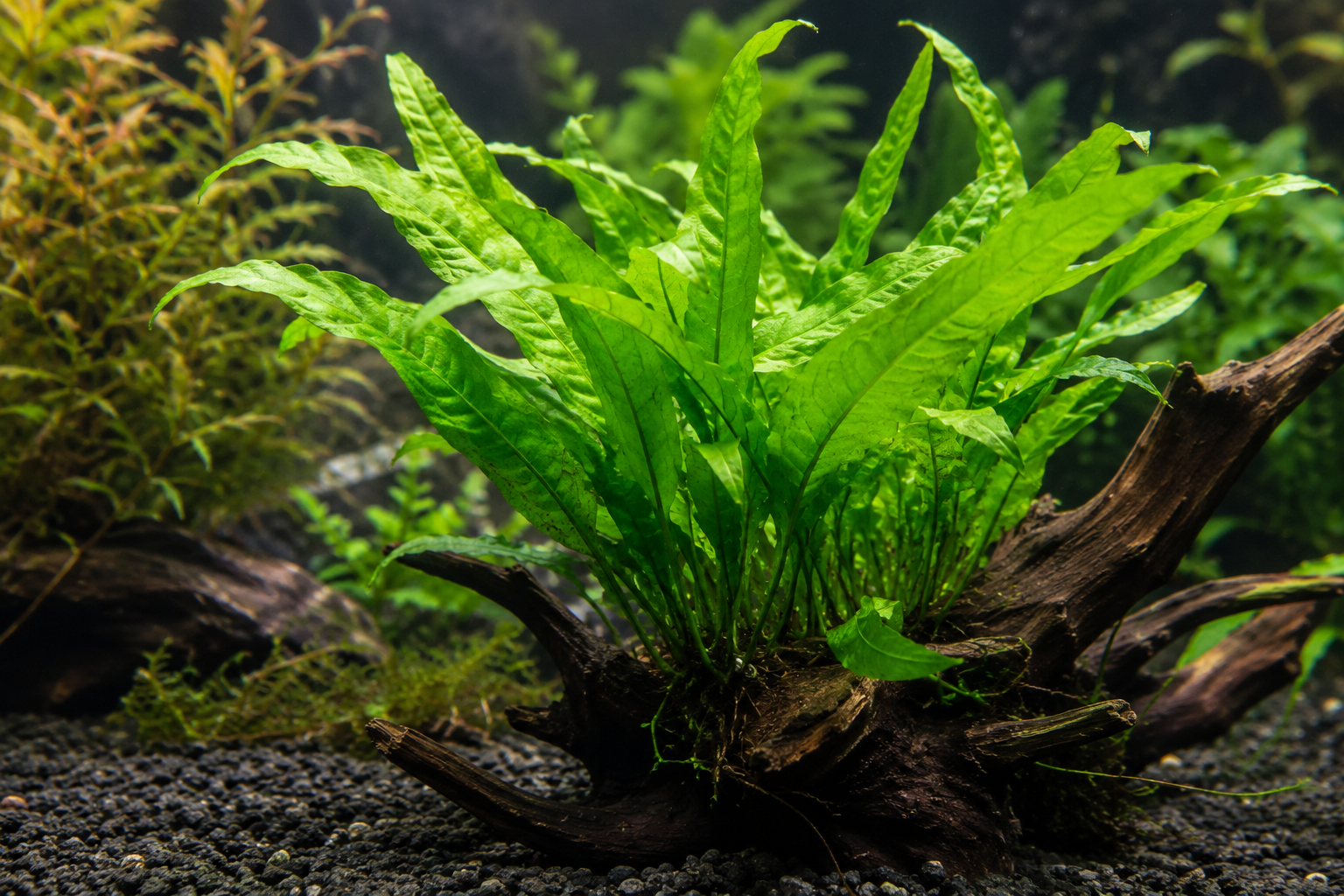
Java Fern
Best for: Beginners, low-tech aquariums and attaching to rocks or driftwood
As an Amazon Associate, we earn from qualifying purchases.
ALFA
Frozen Bloodworm Fish Food 10 Pack
Best for: Adding variety to tropical and coldwater fish diets
As an Amazon Associate, we earn from qualifying purchases.
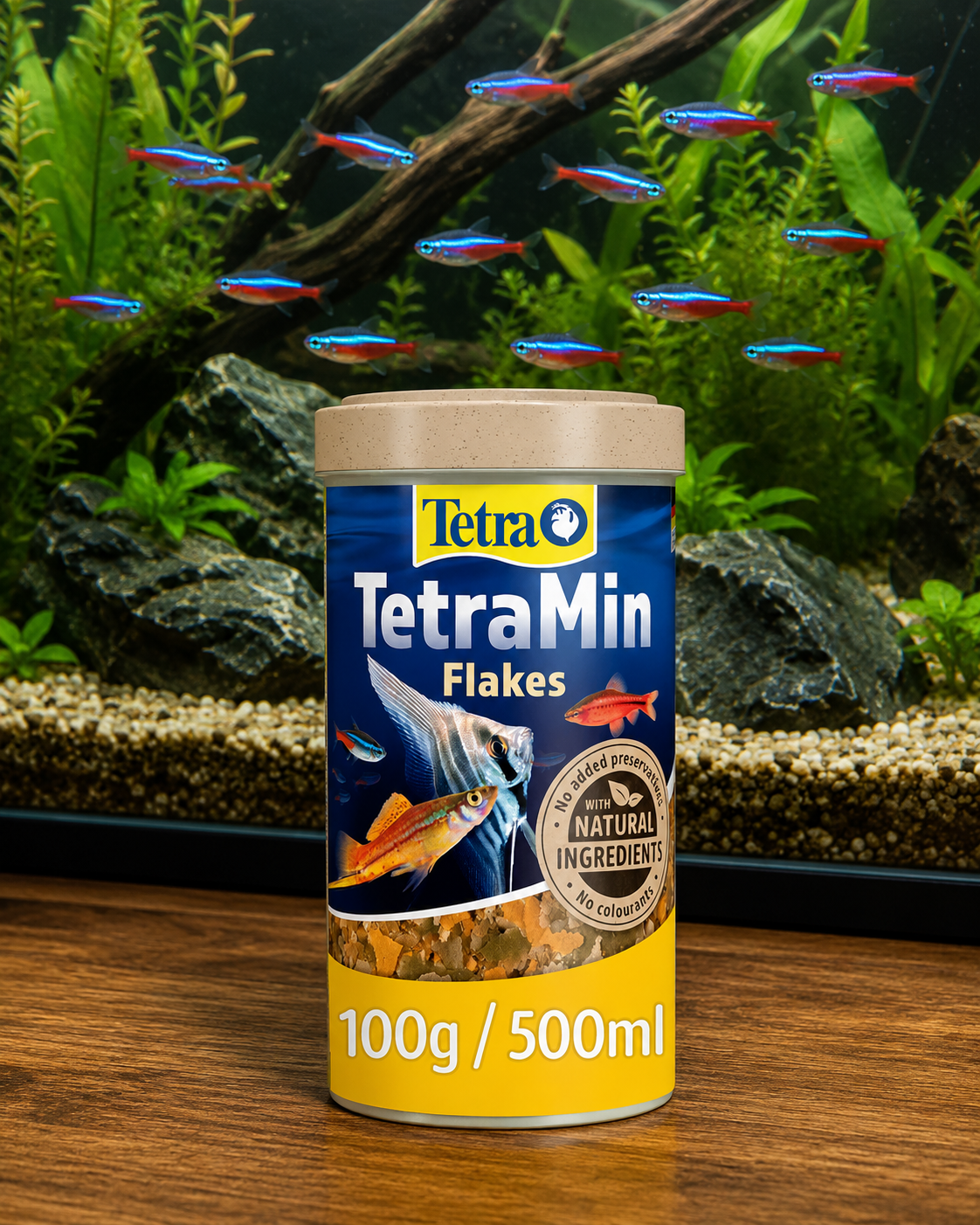
Tetra
Tetra Min Tropical Flake Food 500ml
Best for: Everyday feeding of tropical community fish
As an Amazon Associate, we earn from qualifying purchases.