Egyptian Mouthbrooder Care Guide
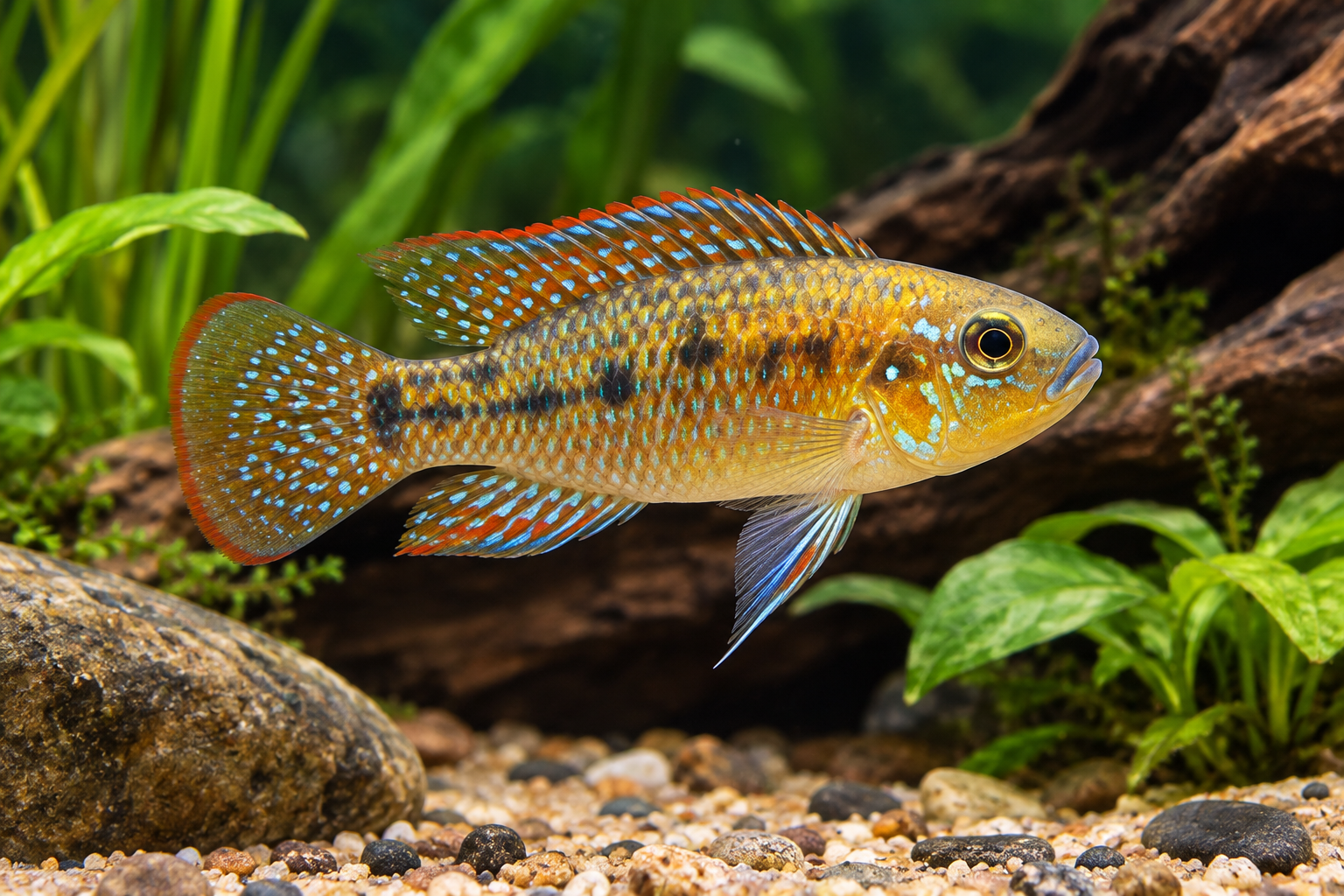
The Egyptian Mouthbrooder is a small African cichlid known for its fascinating breeding behaviour. Learn how to provide the right aquarium, diet, water conditions and tank mates for Pseudocrenilabrus multicolor.
The Egyptian Mouthbrooder (Pseudocrenilabrus multicolor) is a small African cichlid with fascinating breeding behaviour, attractive colours and plenty of character. Although it is nowhere near as commonly kept as many African cichlids, it can make an excellent choice for aquarists looking for something a little different.
As its common name suggests, the Egyptian Mouthbrooder protects its eggs and young inside its mouth. This behaviour makes breeding particularly interesting to watch and is one of the main attractions of keeping the species.
Despite being a cichlid, the Egyptian Mouthbrooder remains relatively small and doesn't require an enormous aquarium. However, males can be territorial, particularly when breeding, so the aquarium needs to be arranged carefully.
Egyptian Mouthbrooder at a Glance
Scientific name: Pseudocrenilabrus multicolor Common name: Egyptian Mouthbrooder Family: Cichlidae Origin: Northeastern Africa Adult size: Around 7–9 cm Temperature: Approximately 23–27°C pH: Around 6.5–8.0 Hardness: Moderate to hard water is generally suitable Temperament: Semi-aggressive, particularly when breeding Diet: Omnivorous Minimum aquarium size: Around 75 litres for a small group, although larger is preferable Lifespan: Approximately 4–6 years with good care Breeding: Maternal mouthbrooder
Natural Habitat
Egyptian Mouthbrooders originate from northeastern Africa and are associated with the Nile drainage and surrounding freshwater habitats. They can be found in relatively shallow areas containing vegetation and other forms of cover.
Unlike many of the African cichlids commonly seen in aquarium shops, these aren't specialist rock-dwelling Lake Malawi or Lake Tanganyika cichlids.
This is worth remembering when designing their aquarium. A heavily constructed rocky Malawi-style setup isn't necessary. Plants, wood, rocks and areas of open substrate can all be incorporated successfully.
Aquarium Size
Egyptian Mouthbrooders may be small, but don't underestimate the importance of floor space.
A single pair or small group can potentially be maintained in an aquarium of around 75 litres, but I would generally choose a larger aquarium if space allows. Something around 90–120 litres provides considerably more opportunity to create territories and hiding places.
This becomes particularly important when keeping more than one female with a male.
Male cichlids don't understand the concept of aquarium boundaries. If a female cannot escape his attention, persistent courtship can become stressful.
Breaking up lines of sight with plants, wood and rocks can therefore be just as important as the aquarium's overall volume.
Aquarium Setup
A natural-looking planted aquarium works extremely well for Egyptian Mouthbrooders.
Sand or fine gravel can be used for the substrate. Add rocks, pieces of aquarium-safe wood and areas of dense planting to create separate territories.
Good plants to consider include:
Leave some relatively open areas towards the front or centre of the aquarium while creating heavier cover around the sides and rear.
Caves and sheltered areas are also useful, particularly for females trying to avoid an overly enthusiastic male.
Although plants aren't essential to keeping the fish successfully, I think they make this type of aquarium considerably more interesting and provide useful visual barriers.
Water Conditions
Egyptian Mouthbrooders are reasonably adaptable provided water conditions remain stable.
A temperature of approximately 23–27°C is suitable for most aquariums.
Aim for a pH somewhere around 6.5–8.0. Moderate to reasonably hard water is normally well tolerated. Remember to test your water regularly. We use ESHA Quicktest for a quick and easy way to monitor water quality.
Don't become obsessed with achieving one supposedly perfect pH value. Stable, clean water is usually far more important than constantly adjusting chemistry in an attempt to hit a particular number.
Regular partial water changes should form part of normal maintenance.
As with other aquarium fish, ammonia and nitrite should remain at zero, while nitrate should be controlled through sensible stocking, feeding, filtration and water changes.
Filtration
A good internal, external or air-driven filter can all work successfully.
The filter should provide effective biological filtration without turning the aquarium into a torrent. Egyptian Mouthbrooders don't require extremely powerful water movement.
If breeding is expected, consider how the filter intake might affect very small fry. A sponge pre-filter over an intake is an easy precaution.
Good oxygenation and consistent maintenance are more important than purchasing an unnecessarily large filter.
Feeding Egyptian Mouthbrooders
Egyptian Mouthbrooders are omnivorous and relatively straightforward to feed.
A good-quality small cichlid pellet or flake food can form the basis of the diet.
This can be supplemented with foods such as:
- Frozen or live brine shrimp
- Daphnia
- Frozen bloodworm
Providing some variety is preferable to relying on one food indefinitely.
Feed small quantities once or twice a day and avoid allowing excess food to accumulate around the aquarium.
Temperament and Tank Mates
This is where some thought is required.
Egyptian Mouthbrooders are small cichlids, but they're still cichlids. Males can become territorial and aggressive towards rivals, while females may receive considerable attention during breeding.
Keeping a male with several females can sometimes distribute this attention more effectively than maintaining a single pair, provided the aquarium is large enough.
Suitable tank mates should generally be robust, peaceful species capable of looking after themselves without being excessively aggressive.
Small, delicate or very slow-moving fish aren't necessarily the best companions.
I would also avoid mixing Egyptian Mouthbrooders randomly with much larger and more aggressive African cichlids simply because they all originate from Africa. Sharing a continent doesn't automatically make fish compatible.
A species-focused aquarium is often one of the most interesting ways of keeping them.
Male and Female Differences
Adult males are generally more colourful than females and can develop attractive blue, green, yellow and reddish coloration depending on the individual and population.
Females tend to be smaller and less intensely coloured.
The difference becomes much more obvious once the fish mature, particularly when males enter breeding condition.
Breeding Egyptian Mouthbrooders
Breeding behaviour is probably the most interesting aspect of this species.
The Egyptian Mouthbrooder is a maternal mouthbrooder, meaning the female carries the developing eggs and fry in her mouth.
During spawning, the male displays to the female and attempts to encourage her into his territory. Once eggs have been laid and fertilised, the female collects them into her mouth.
From this point onwards, she provides protection while the eggs develop.
A brooding female is usually easy to recognise. Her mouth and throat area may appear enlarged and she will often reduce or completely stop feeding.
Should You Separate a Brooding Female?
This depends on the aquarium.
In a peaceful, heavily planted species aquarium, it may be possible to leave her where she is. However, other fish may eat the fry once they're released.
Moving a mouthbrooding female also has disadvantages.
Catching and transferring her can cause significant stress and may result in her swallowing or prematurely releasing the brood.
If you intend to separate her, a small dedicated breeding aquarium prepared in advance is preferable to chasing her around the aquarium at the last moment.
Caring for the Fry
Once released, the fry are relatively manageable compared with the tiny fry produced by many egg-scattering fish.
Depending on their size, suitable first foods can include newly hatched brine shrimp, microworms and finely crushed quality fry foods.
Feed small amounts several times per day if possible, while maintaining excellent water quality.
Don't compensate for slow growth by pouring excessive quantities of food into the aquarium. Poor water quality can kill young fish considerably faster than slightly conservative feeding.
Regular small water changes can help maintain good conditions as the fry grow.
Common Problems
Egyptian Mouthbrooders are generally hardy when maintained correctly, but poor aquarium management can still cause problems.
Watch for:
Aggression – particularly from dominant males. More cover and additional space may be required.
Poor water quality – ammonia and nitrite should always remain at zero.
Overfeeding – excess food contributes to deteriorating water quality and unnecessary nitrate accumulation.
Stress during breeding – females carrying eggs are vulnerable and shouldn't be repeatedly disturbed.
Inappropriate tank mates – larger aggressive cichlids can intimidate or injure these relatively small fish.
Most problems are easier to prevent through sensible aquarium design and stocking than they are to solve afterwards.
Are Egyptian Mouthbrooders Good for Beginners?
They aren't difficult fish to keep, but I wouldn't necessarily recommend them as someone's very first tropical fish.
Their water requirements and feeding are straightforward. The additional challenge comes from understanding cichlid behaviour and managing aggression.
For somebody who already understands basic aquarium maintenance and wants to try keeping or breeding a small cichlid, however, they can be an excellent species.
Final Thoughts
The Egyptian Mouthbrooder deserves considerably more attention than it receives in the aquarium hobby.
It's small enough to keep without a huge aquarium, attractive without being excessively demanding and displays genuinely fascinating natural breeding behaviour.
A well-planted aquarium with plenty of cover, clean stable water and carefully selected tank mates provides an excellent environment for them.
For aquarists interested in cichlid behaviour and breeding rather than simply choosing the brightest fish in the shop, Pseudocrenilabrus multicolor is certainly a species worth considering.
Products We've Mentioned & Recommend
Below you'll find a selection of products we've mentioned in this article, along with a few others we think you might find useful. We've included Amazon links to make them easy to find.
A quick word about affiliate links...
Some of these links are affiliate links, which means we may earn a small commission from qualifying purchases, at no extra cost to you.
Unfortunately, the commission doesn't quite stretch to cocktails on a yacht or a garage full of sports cars. In reality, it helps cover the running costs of this website and, with a bit of luck, might eventually buy me a new pair of waders that don't leak!
We only recommend products we genuinely believe are worth considering, and your support helps us keep sharing free advice from our years of working with aquariums and ponds.
Thanks for supporting Aquatic Specialist!
As an Amazon Associate I earn from qualifying purchases.
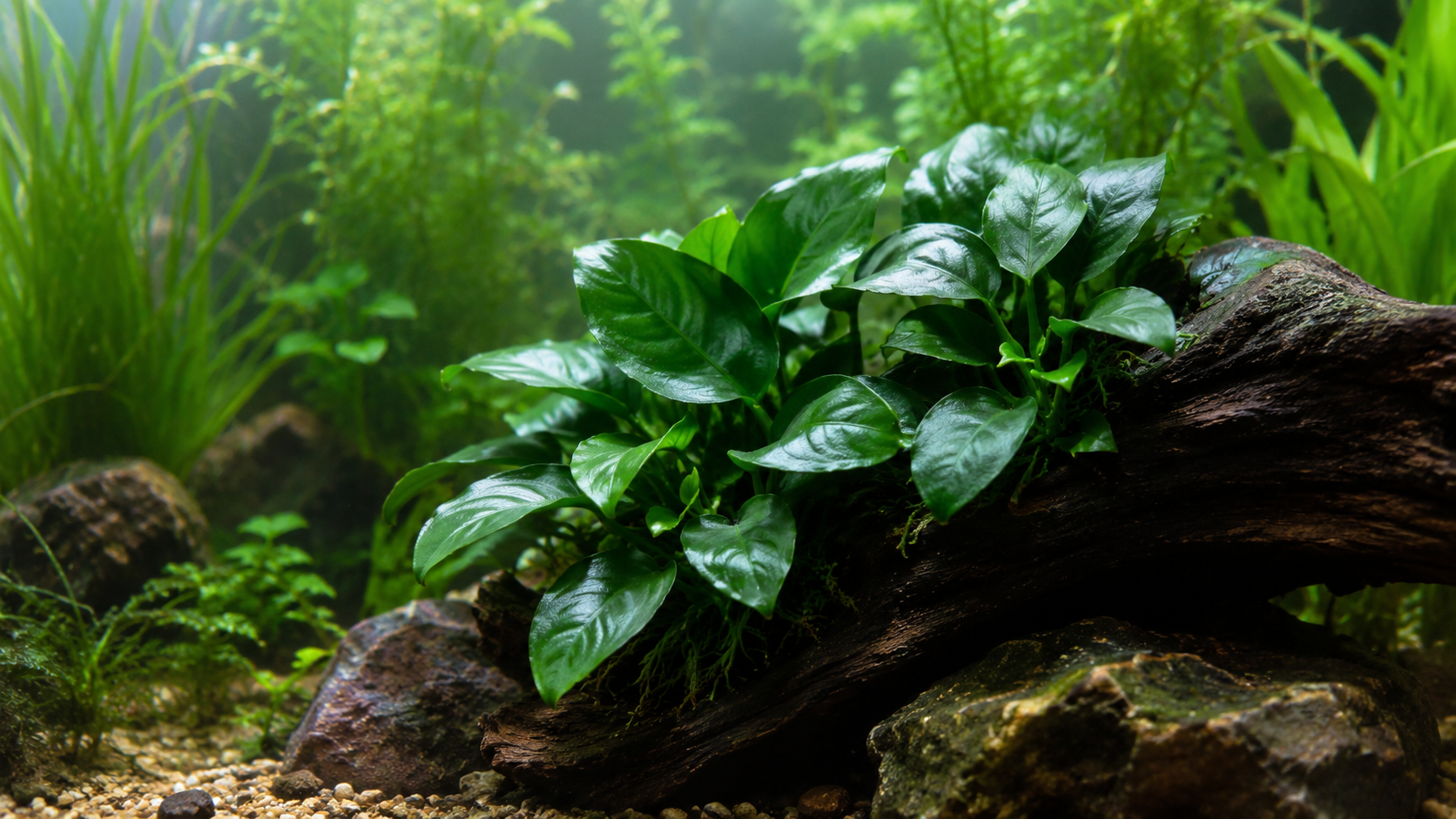
Anubias Nana
Best for: Beginners, low-light aquariums and low-tech planted tanks
As an Amazon Associate, we earn from qualifying purchases.
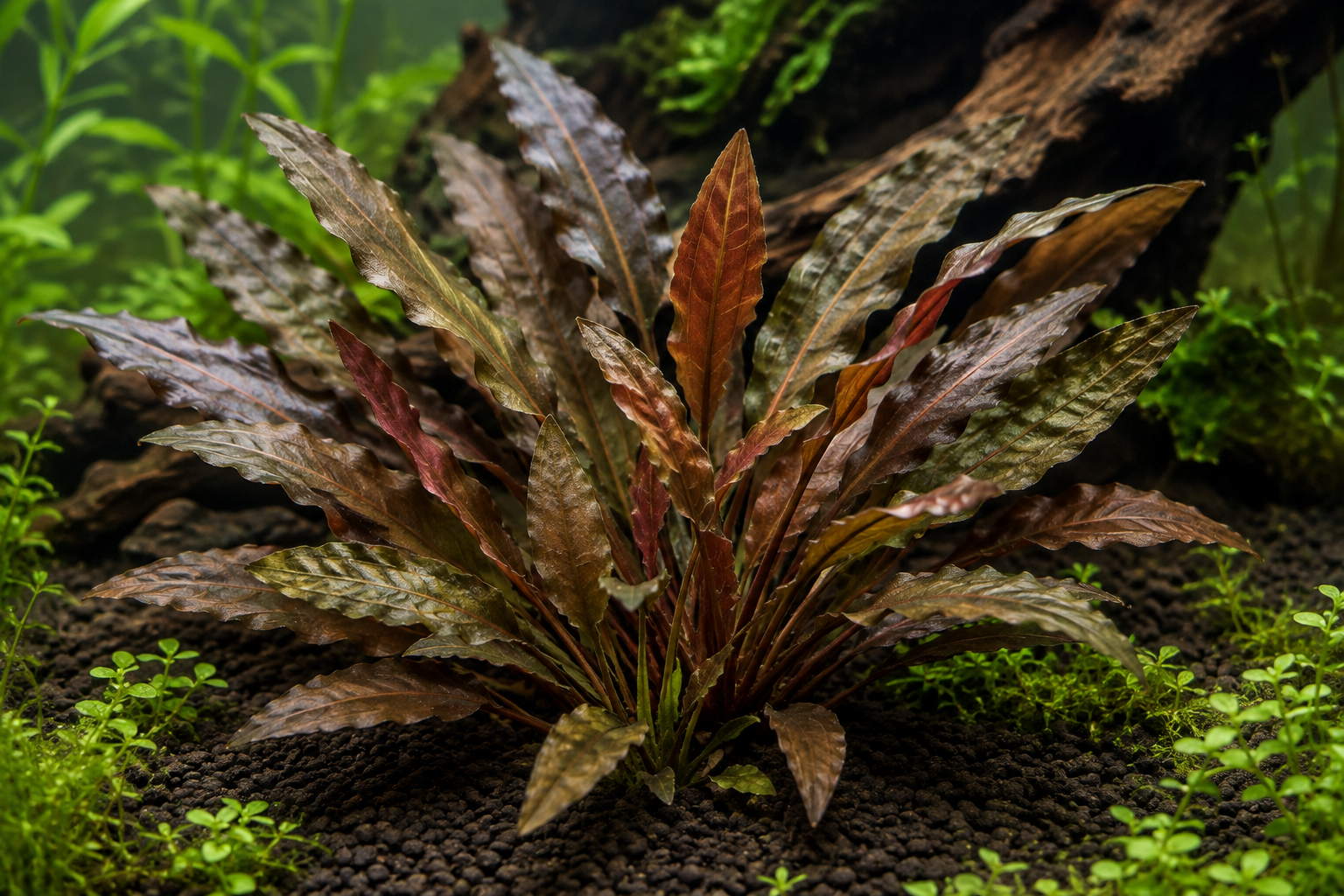
Cryptocoryne Wendtii Brown
Best for: Low-tech aquariums, beginners and midground planting
As an Amazon Associate, we earn from qualifying purchases.
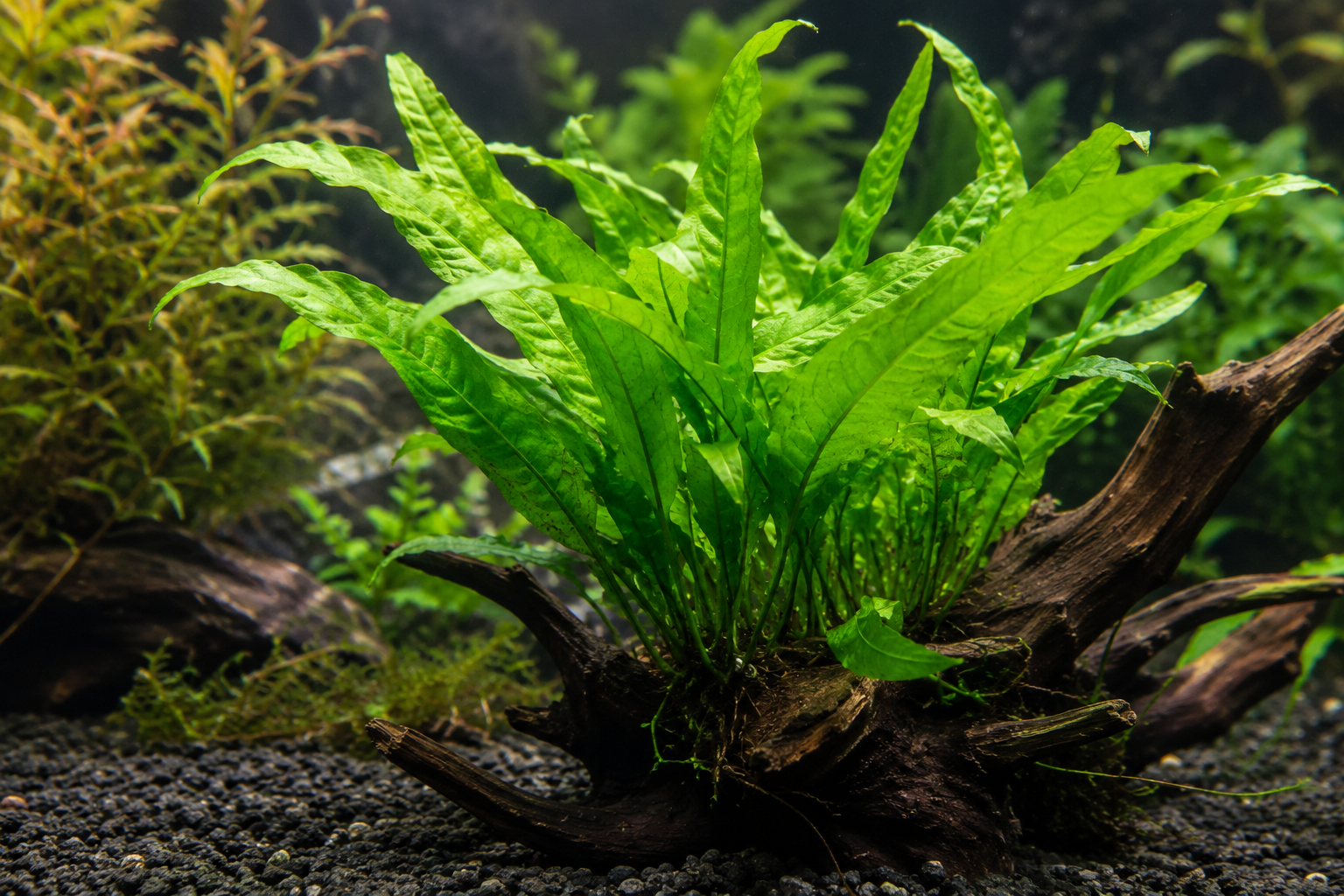
Java Fern
Best for: Beginners, low-tech aquariums and attaching to rocks or driftwood
As an Amazon Associate, we earn from qualifying purchases.
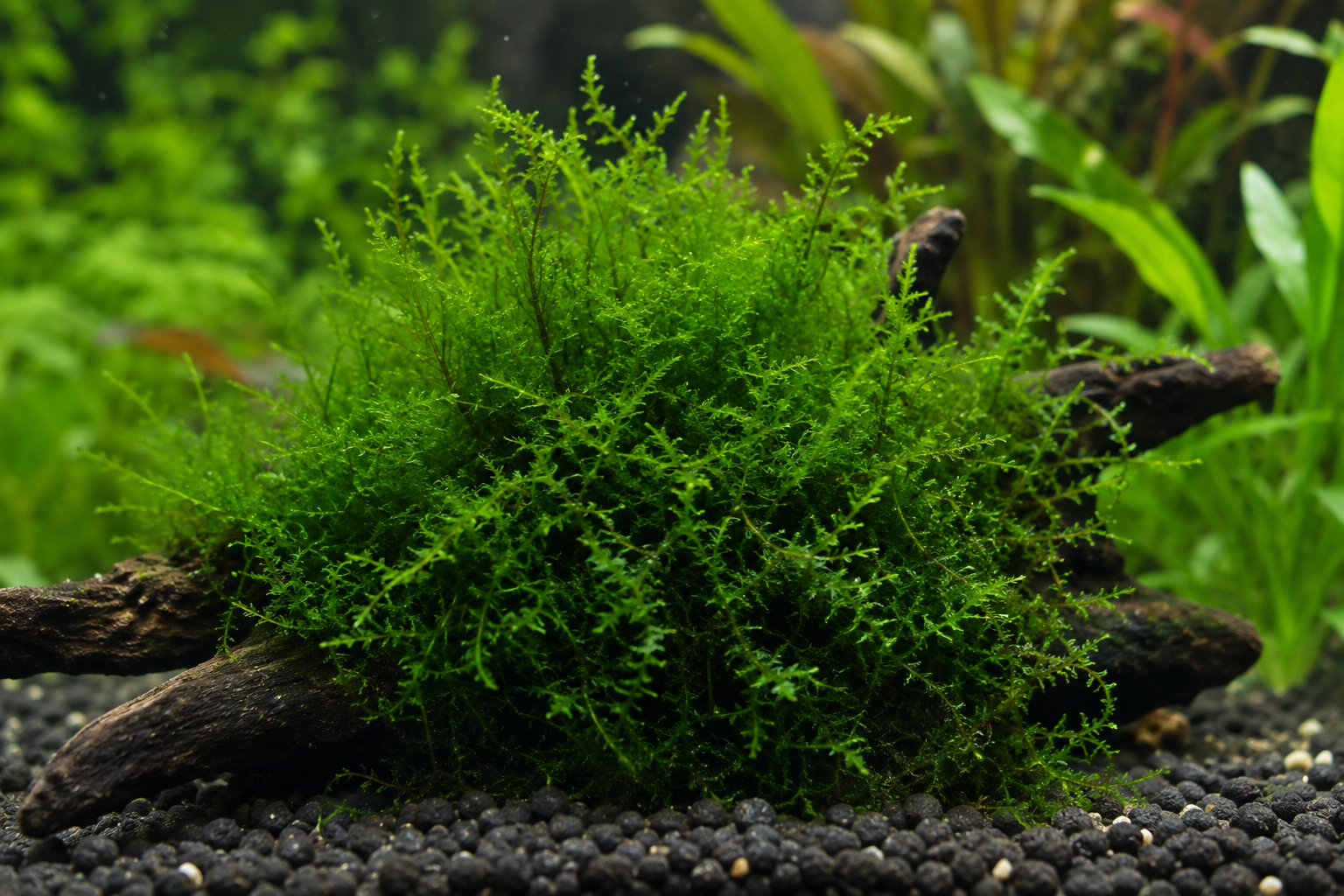
Java Moss
Best for: Beginners, shrimp tanks, breeding aquariums and natural aquascapes
As an Amazon Associate, we earn from qualifying purchases.
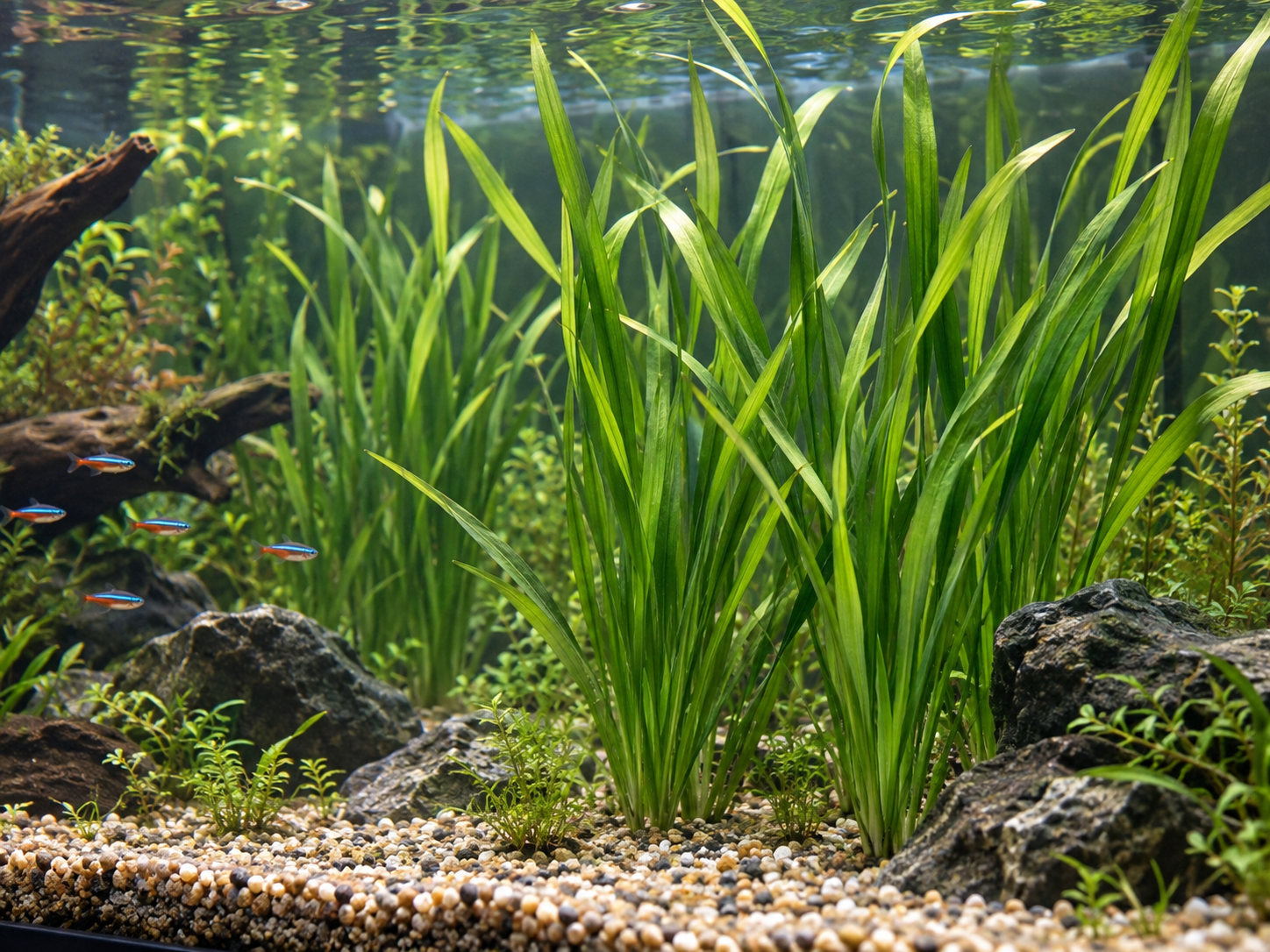
Vallisneria Americana
Best for: Easy background planting in freshwater aquariums
As an Amazon Associate, we earn from qualifying purchases.
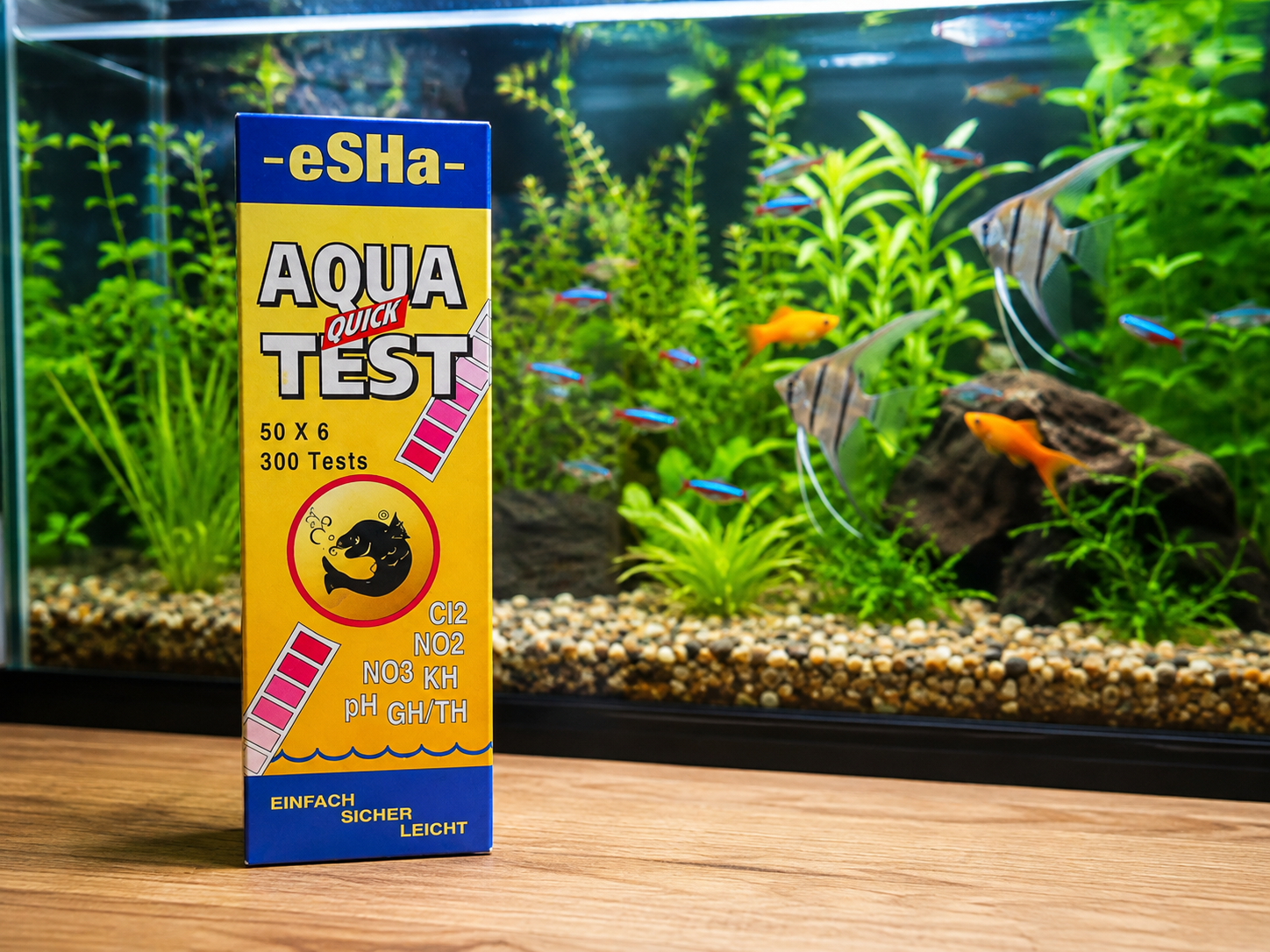
Esha
ESHA Aqua Quicktest
Best for: Fast routine water-quality checks in freshwater aquariums.
As an Amazon Associate, we earn from qualifying purchases.
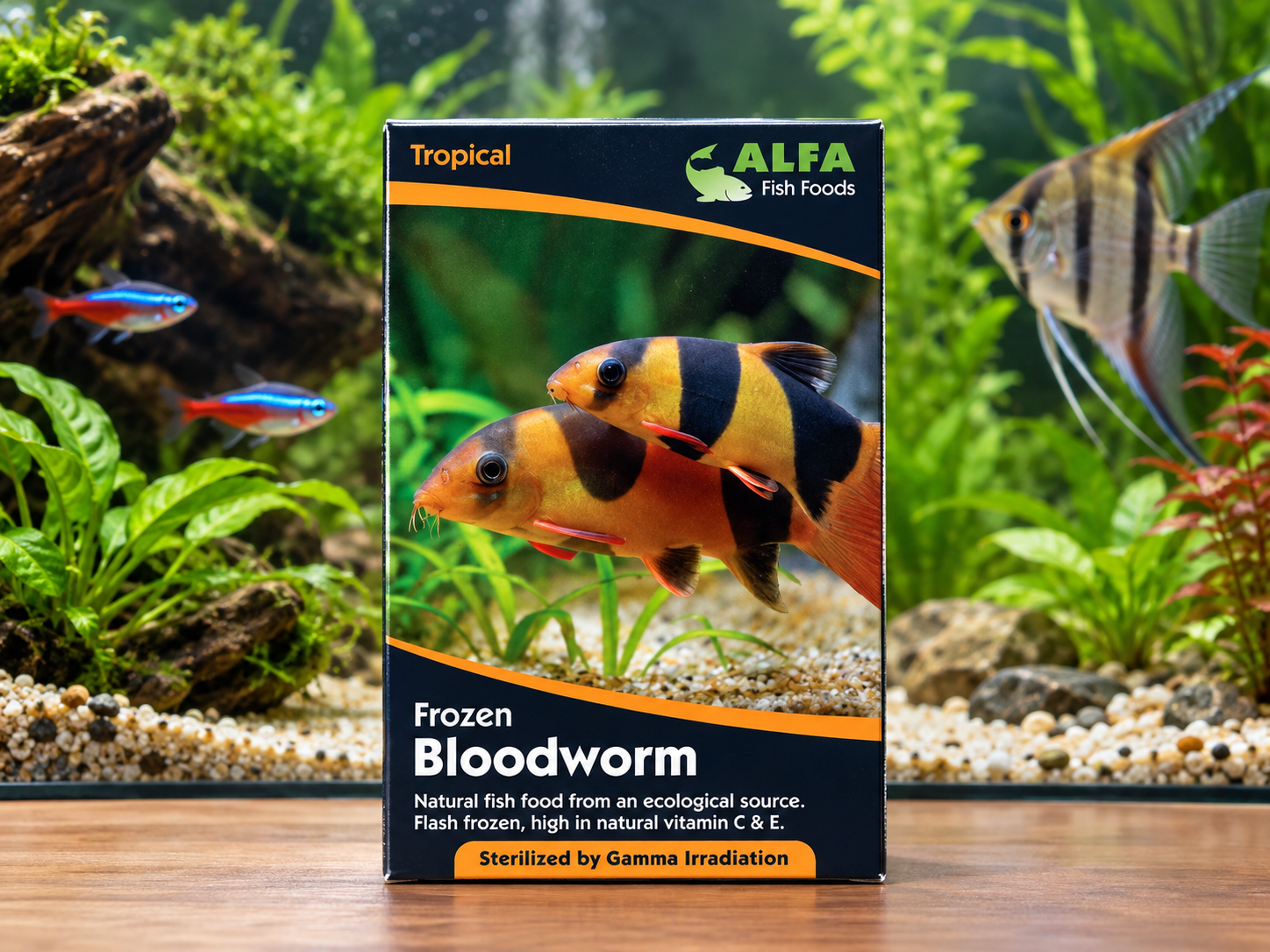
ALFA
Frozen Bloodworm Fish Food 10 Pack
Best for: Adding variety to tropical and coldwater fish diets
As an Amazon Associate, we earn from qualifying purchases.
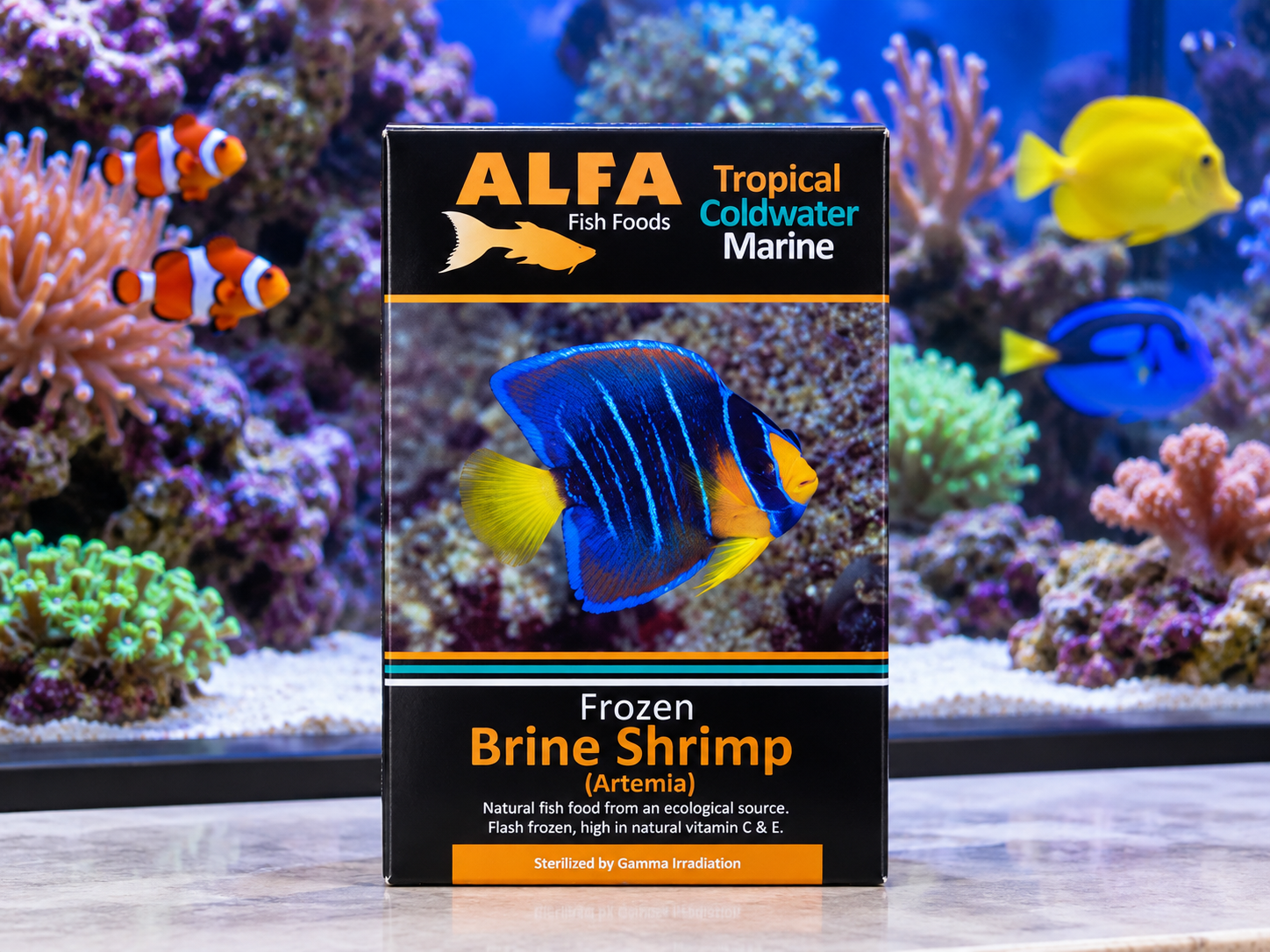
ALFA
Frozen Brine Shrimp/Artemia x5
Best for: Tropical, coldwater and marine fish needing a varied diet
As an Amazon Associate, we earn from qualifying purchases.