5 Fish Species Perfect for a Nano Planted Aquarium
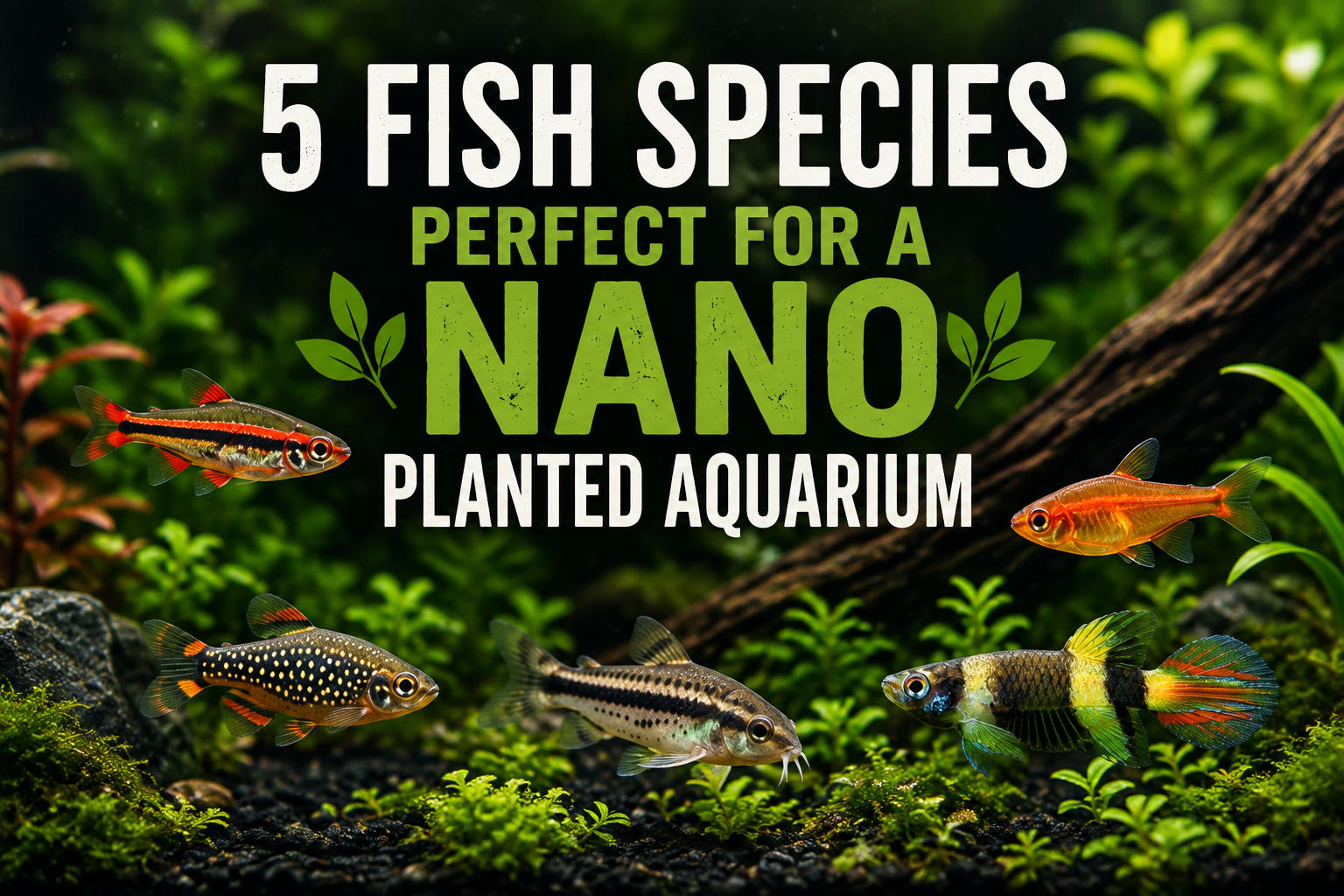
Choosing fish for a nano planted aquarium isn't just about finding the smallest species. Here are five peaceful, colourful fish that are well suited to smaller planted aquascapes.
Nano planted aquariums can be some of the most attractive freshwater setups you can create. A small tank filled with healthy plants, natural wood and carefully chosen fish can look every bit as impressive as a much larger aquascape.
The challenge is choosing the right fish.
Not every small fish is automatically suitable for a nano aquarium. Some tiny species are extremely active, need large groups or simply require more swimming space than their size suggests. For a planted nano aquarium, you ideally want fish that remain small, are relatively peaceful and won't constantly disturb the aquascape.
For this guide, we're looking at five species that work particularly well in mature planted nano aquariums of around 30–60 litres, depending on the species and stocking level.
1. Chili Rasbora
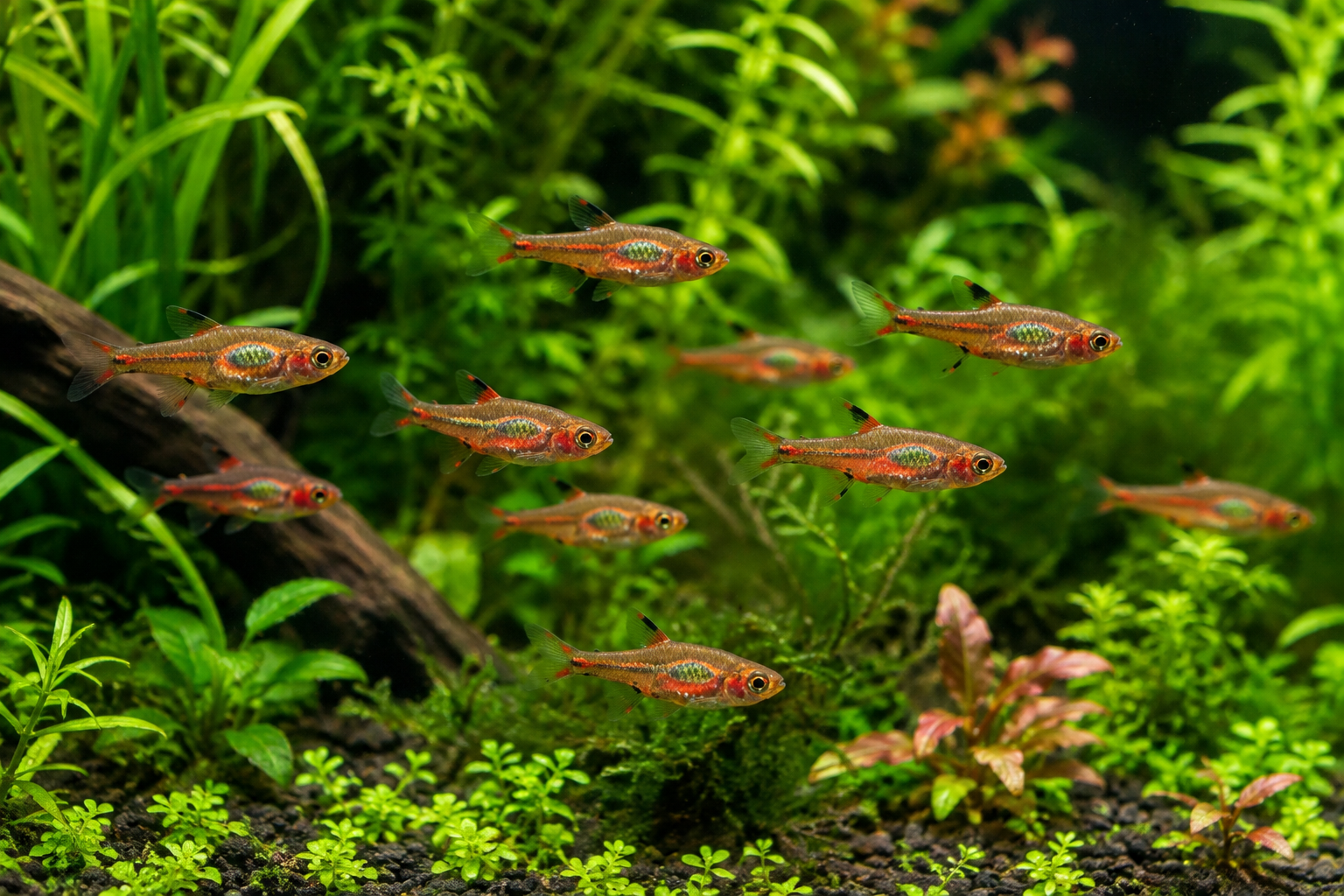
Scientific name: Boraras brigittae Adult size: Around 2 cm Temperament: Peaceful Recommended group: 8–12+ Temperature: 23–28°C Best suited to: Heavily planted nano aquariums
Chili Rasboras are one of our favourite choices for a small planted aquarium. These tiny fish develop a striking red colour with a dark horizontal marking running along the body.
Their small size makes them particularly useful in aquariums where larger schooling fish would dominate the aquascape.
Chili Rasboras generally look their best when kept in a decent-sized group. Rather than keeping just a few individuals, aim for at least eight, with larger groups being preferable where aquarium size and filtration allow.
Dense planting also makes a considerable difference. Cryptocoryne, Java Fern, Anubias, mosses and floating plants can all help create the sheltered environment these fish appreciate.
They tend to prefer relatively gentle water movement and may be less confident in very brightly illuminated, sparsely planted aquariums.
Why we like them
Their red coloration provides an excellent contrast against green aquarium plants, while their tiny size helps maintain the sense of scale in a nano aquascape.
2. Celestial Pearl Danio
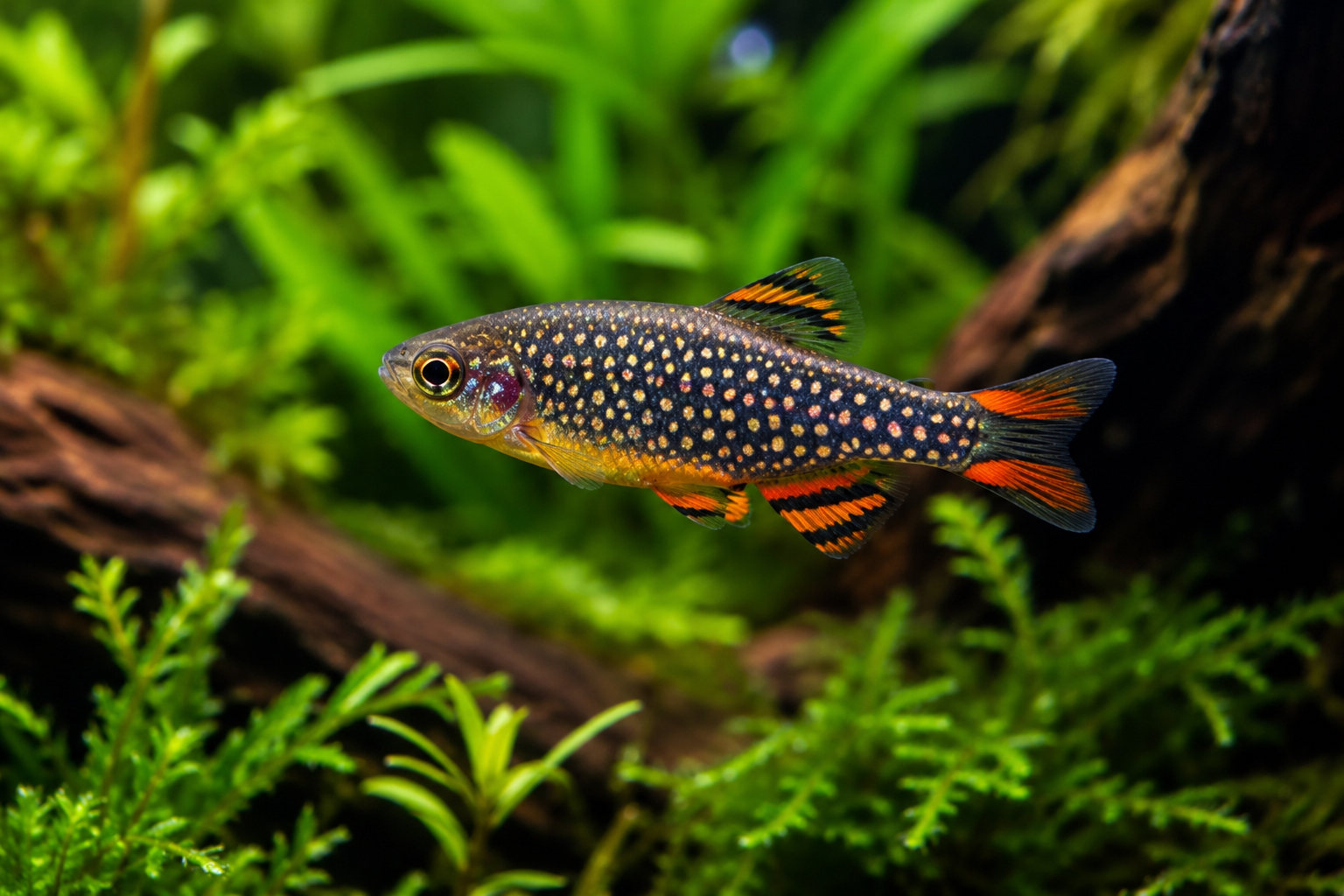
Scientific name: Danio margaritatus Adult size: Around 2–2.5 cm Temperament: Generally peaceful Recommended group: 8+ Temperature: 20–26°C Best suited to: Densely planted aquascapes
The Celestial Pearl Danio, often still referred to as the Galaxy Rasbora, is another excellent nano aquarium fish.
They have dark bodies covered with small pale spots, while mature males develop attractive red and black markings through their fins.
Despite their small size, these fish have plenty of character.
A planted aquarium is particularly suitable because vegetation gives less dominant individuals somewhere to retreat. Mosses, fine-leaved plants and dense areas of stem plants can work especially well.
Males may display and spar with one another, but serious aggression is uncommon when the aquarium provides enough space and cover.
Why we like them
Celestial Pearl Danios are small enough for nano aquascapes but have considerably more detail and colour than you might expect from such a tiny fish.
3. Ember Tetra
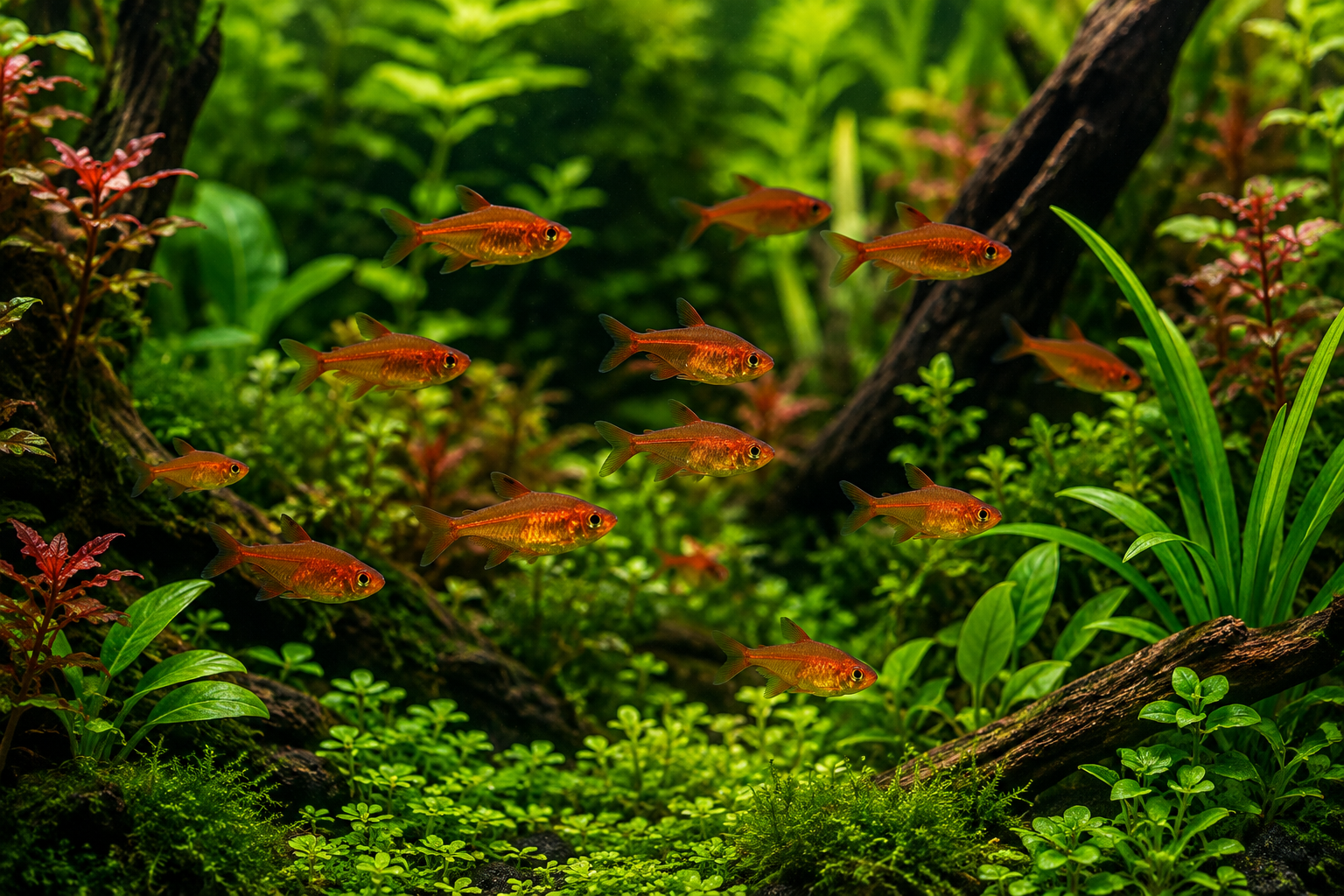
Scientific name: Hyphessobrycon amandae Adult size: Around 2 cm Temperament: Peaceful Recommended group: 8–10+ Temperature: 23–28°C Best suited to: 40–60 litre planted aquariums
If you want a small shoaling fish with warm coloration, the Ember Tetra is difficult to beat.
Healthy specimens develop an attractive orange to reddish colour which looks particularly good against dark substrate, wood and green plants.
Although Ember Tetras are tiny, we prefer giving them slightly more swimming room than species such as Chili Rasboras. A 40-litre or larger planted aquarium gives a group more opportunity to behave naturally.
Leave some open swimming space towards the front or centre of the aquarium while using plants around the sides and background to provide shelter.
Keeping a proper group is important. A single Ember Tetra or a group of just two or three isn't a good choice.
Why we like them
They're peaceful, colourful and their orange coloration can become a focal point without overpowering the aquascape.
4. Pygmy Corydoras
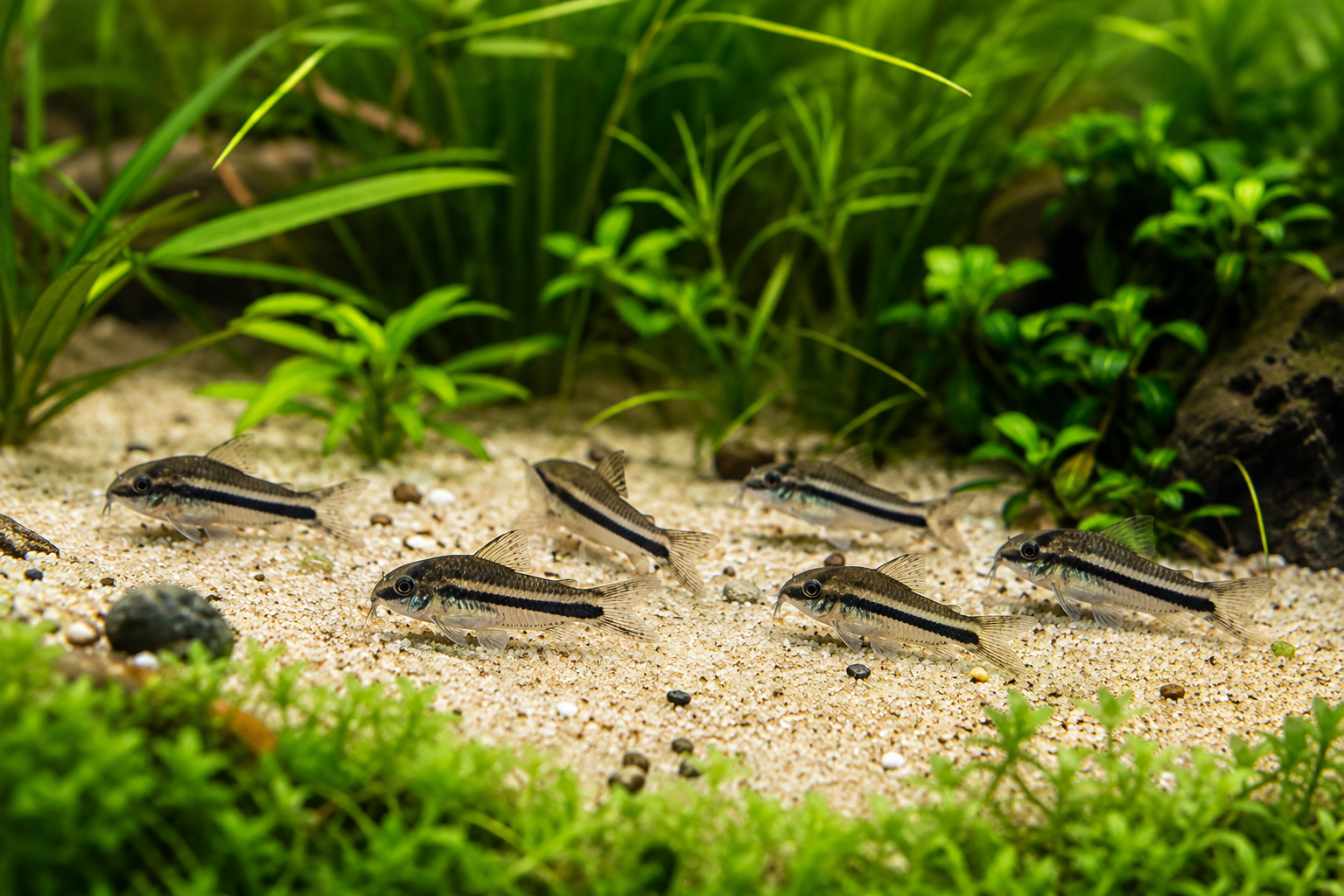
Scientific name: Corydoras pygmaeus Adult size: Around 2.5–3 cm Temperament: Very peaceful Recommended group: 6–8+ Temperature: 22–26°C Best suited to: Mature planted aquariums with fine substrate
Pygmy Corydoras offer something slightly different from the other fish on this list.
While many Corydoras species are too large for a true nano setup, Corydoras pygmaeus remains extremely small. They also don't behave entirely like their larger relatives.
Pygmy Corydoras will spend time around the substrate but frequently swim through the middle levels of the aquarium as a group.
We recommend keeping them over fine sand or another smooth substrate and providing plenty of shaded areas beneath plants and wood.
One common mistake is treating Corydoras as aquarium cleaners. They may pick up food that reaches the bottom, but they still need to be deliberately fed a suitable diet.
Good water quality is particularly important, so we'd avoid introducing them to a newly established or unstable nano aquarium.
Why we like them
They're peaceful, interesting to watch and occupy different areas of the aquarium, making them particularly useful when planning a small planted community.
5. Clown Killifish
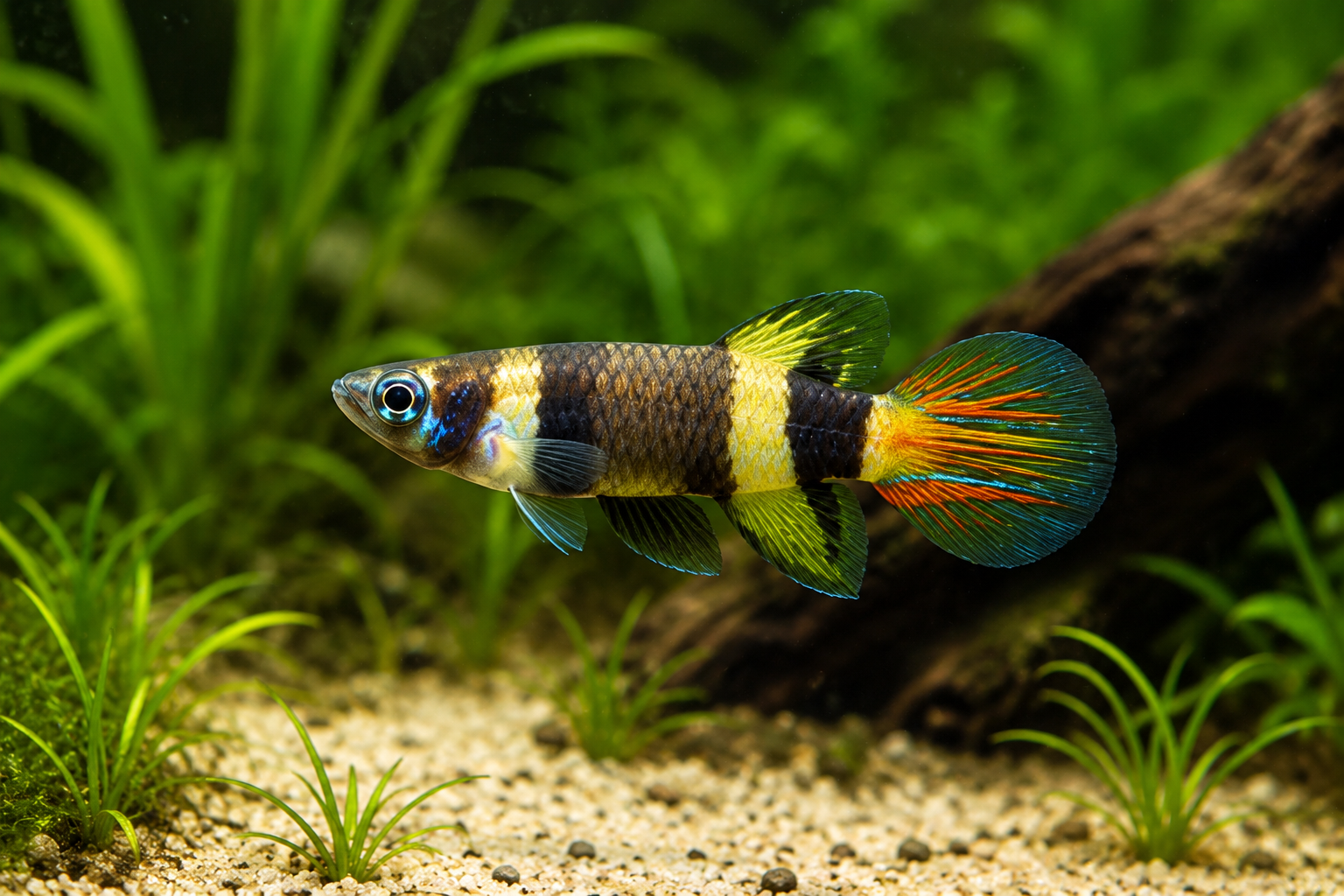
Scientific name: Epiplatys annulatus Adult size: Around 3–3.5 cm Temperament: Peaceful Recommended group: Small group Temperature: 22–26°C Best suited to: Mature planted tanks with floating vegetation
Clown Killifish are one of the more unusual choices for a nano planted aquarium.
Their cream and dark vertical bands give them an almost miniature pike-like appearance, while males develop attractive coloration in their fins.
Unlike Pygmy Corydoras, Clown Killifish spend much of their time close to the surface.
Floating plants such as Amazon Frogbit can therefore be particularly useful. They provide shade, cover and dangling roots for the fish to explore.
Clown Killifish aren't always as immediately bold as some of the other species on this list, but they can be fascinating fish in a quiet planted setup.
There is one important consideration: they can jump.
A securely covered aquarium is strongly recommended, including around cable and filter openings.
Why we like them
They occupy the upper levels of the aquarium and have a distinctive appearance that makes them an interesting alternative to more commonly kept nano fish.
Which Nano Fish Should You Choose?
The best choice depends on the aquarium you're trying to create.
For a heavily planted aquascape where you want a tiny group of brightly coloured fish, Chili Rasboras are difficult to beat.
For something with intricate markings and more individual behaviour, consider Celestial Pearl Danios.
If you have a slightly larger nano aquarium and want a colourful shoal moving through the open areas, Ember Tetras are an excellent option.
Pygmy Corydoras work particularly well if you're looking for activity around the lower and middle areas of the aquarium, while Clown Killifish are ideal if you want something unusual occupying the surface.
You can also combine species in some larger nano aquariums, but don't fall into the trap of trying to fit too many different fish into a small tank. A good-sized group of one species will often look much more natural than several undersized groups.
Don't Forget the Plants
The plants aren't simply decoration.
A densely planted aquarium provides cover, breaks up lines of sight and gives small fish somewhere to retreat when they feel threatened. Plants also create surfaces for microorganisms to develop and can contribute to a more stable aquarium environment.
Some excellent low-tech plants for nano aquariums include:
- Anubias Nana Petite
- Java Fern
- Cryptocoryne parva
- Cryptocoryne Wendtii Brown
- Bucephalandra
- Java Moss
- Christmas Moss
- Staurogyne Repens
- Sagittaria Subulata
- Amazon Frogbit
You don't need CO₂ injection or extremely powerful lighting to create an attractive planted nano aquarium. Choosing slower-growing, undemanding plants can produce a relatively simple aquascape that's much easier to maintain.
Final Thoughts
Small aquariums can be extremely rewarding, but they aren't necessarily easier than large ones. Because there is less water, changes in temperature and water quality can happen relatively quickly.
Avoid overstocking, use appropriate filtration and introduce fish only once the aquarium is properly established.
Most importantly, choose your livestock according to the adult size and behaviour of the fish, rather than simply buying species because they're small in the shop.
With the right combination of plants, hardscape and carefully selected fish, a 30–60 litre planted aquarium can become a surprisingly impressive little ecosystem.
If you've enjoyed this article then this one on the Pygmy Corydoras may be of interest.
Products We've Mentioned & Recommend
Below you'll find a selection of products we've mentioned in this article, along with a few others we think you might find useful. We've included Amazon links to make them easy to find.
A quick word about affiliate links...
Some of these links are affiliate links, which means we may earn a small commission from qualifying purchases, at no extra cost to you.
Unfortunately, the commission doesn't quite stretch to cocktails on a yacht or a garage full of sports cars. In reality, it helps cover the running costs of this website and, with a bit of luck, might eventually buy me a new pair of waders that don't leak!
We only recommend products we genuinely believe are worth considering, and your support helps us keep sharing free advice from our years of working with aquariums and ponds.
Thanks for supporting Aquatic Specialist!
As an Amazon Associate I earn from qualifying purchases.
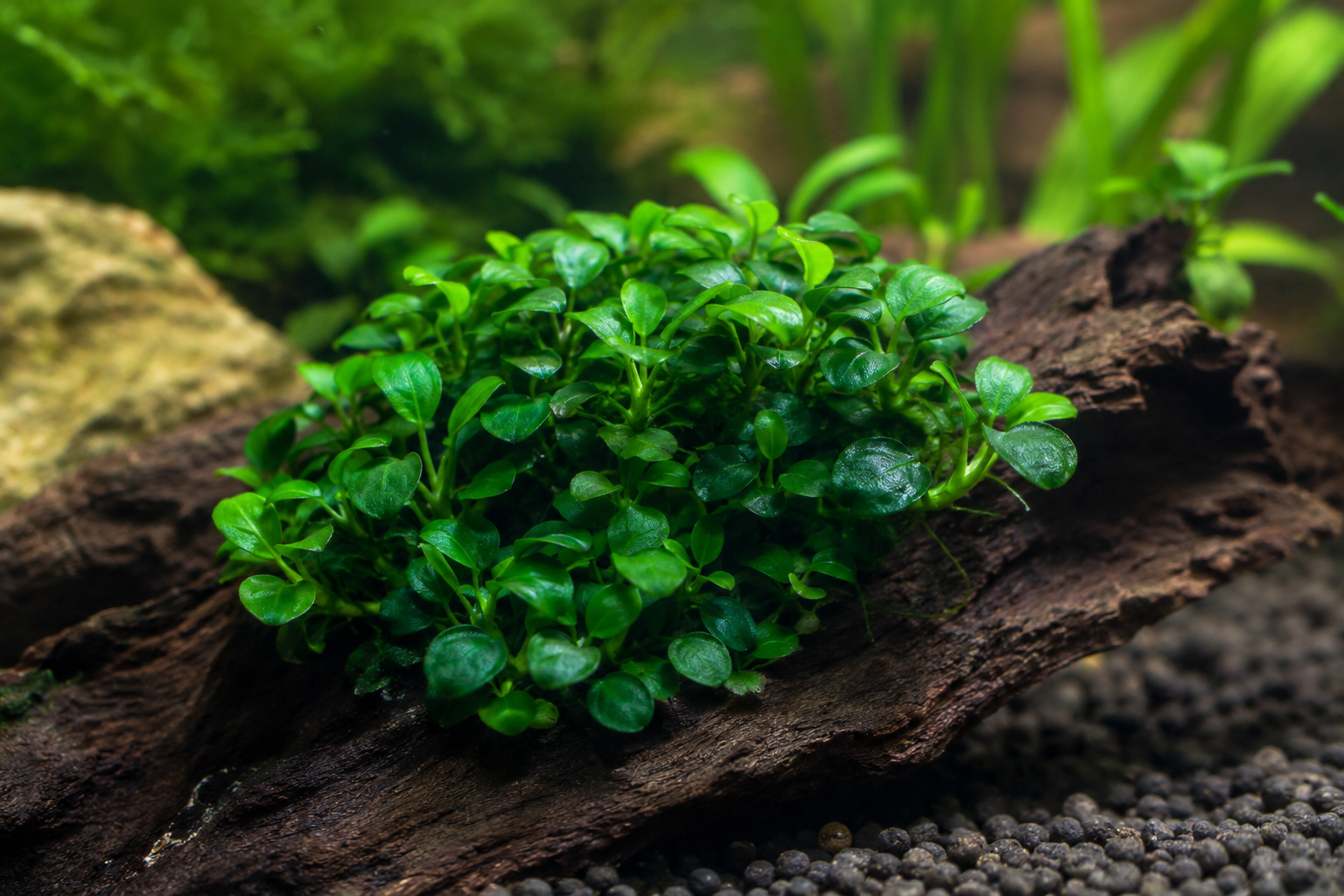
Anubias Nana Petite
Best for: Nano aquariums, foreground planting and attaching to rocks or driftwood
As an Amazon Associate, we earn from qualifying purchases.
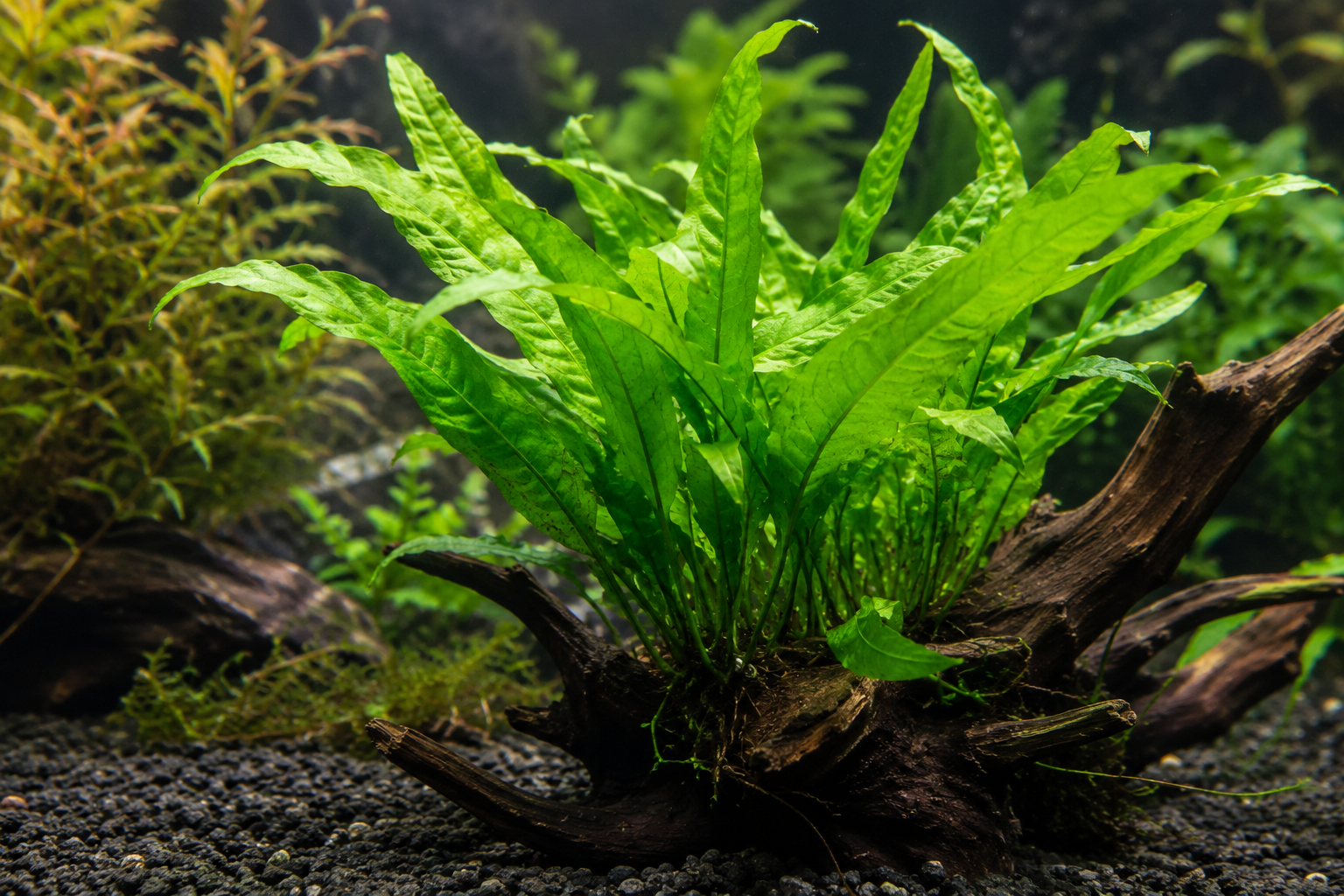
Java Fern
Best for: Beginners, low-tech aquariums and attaching to rocks or driftwood
As an Amazon Associate, we earn from qualifying purchases.
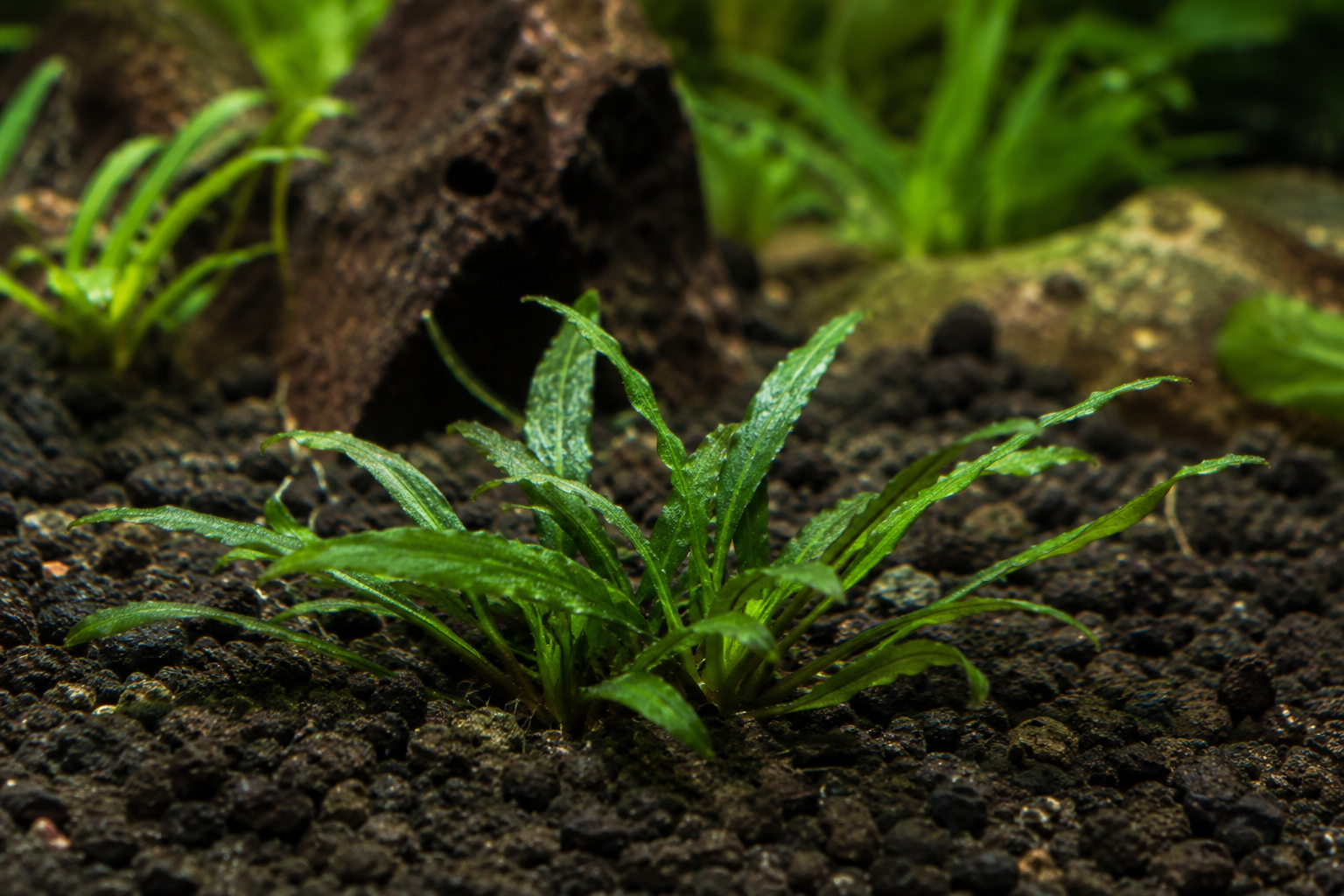
Cryptocoryne parva
Best for: Foreground planting, nano aquariums and low-tech aquascapes
As an Amazon Associate, we earn from qualifying purchases.
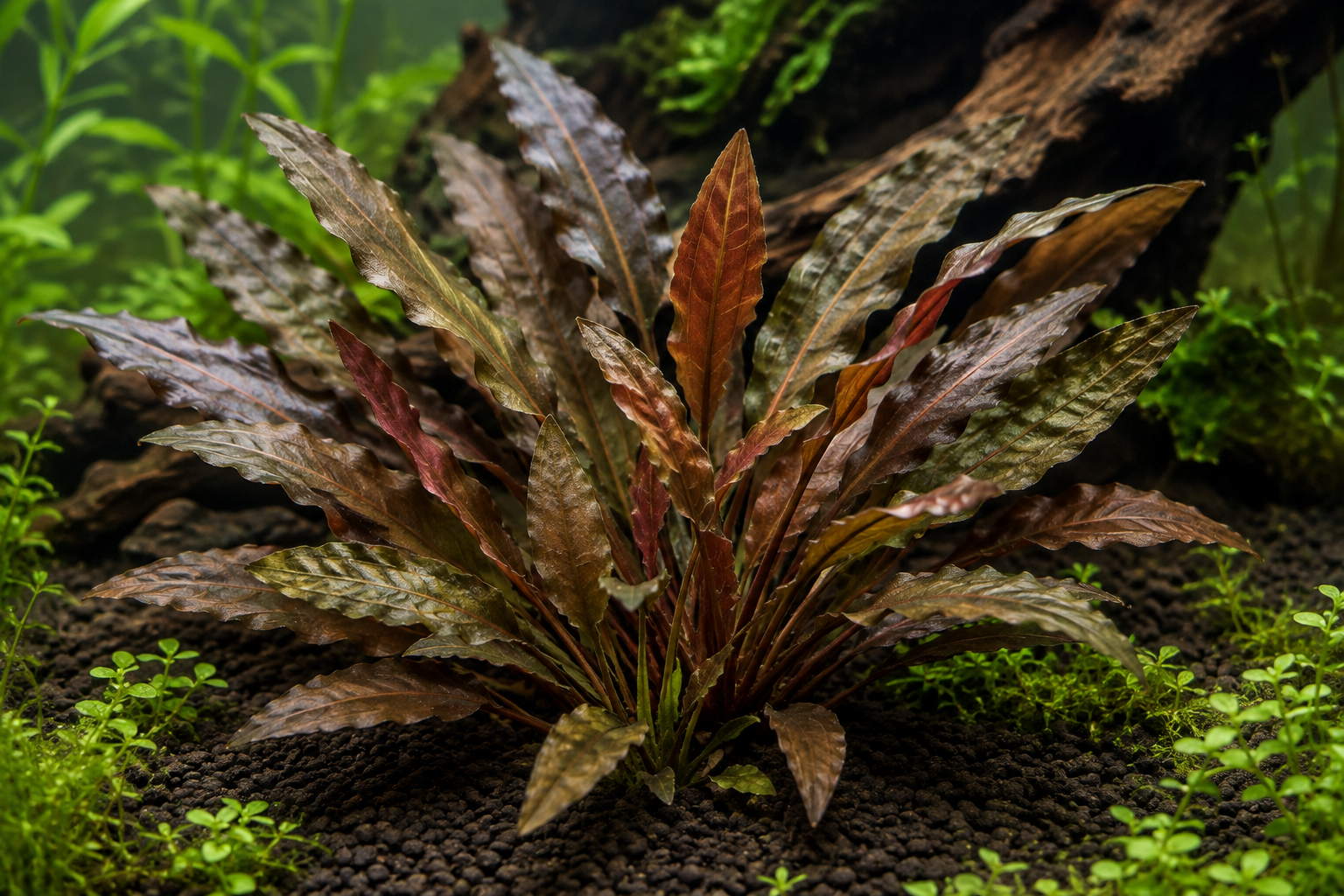
Cryptocoryne Wendtii Brown
Best for: Low-tech aquariums, beginners and midground planting
As an Amazon Associate, we earn from qualifying purchases.
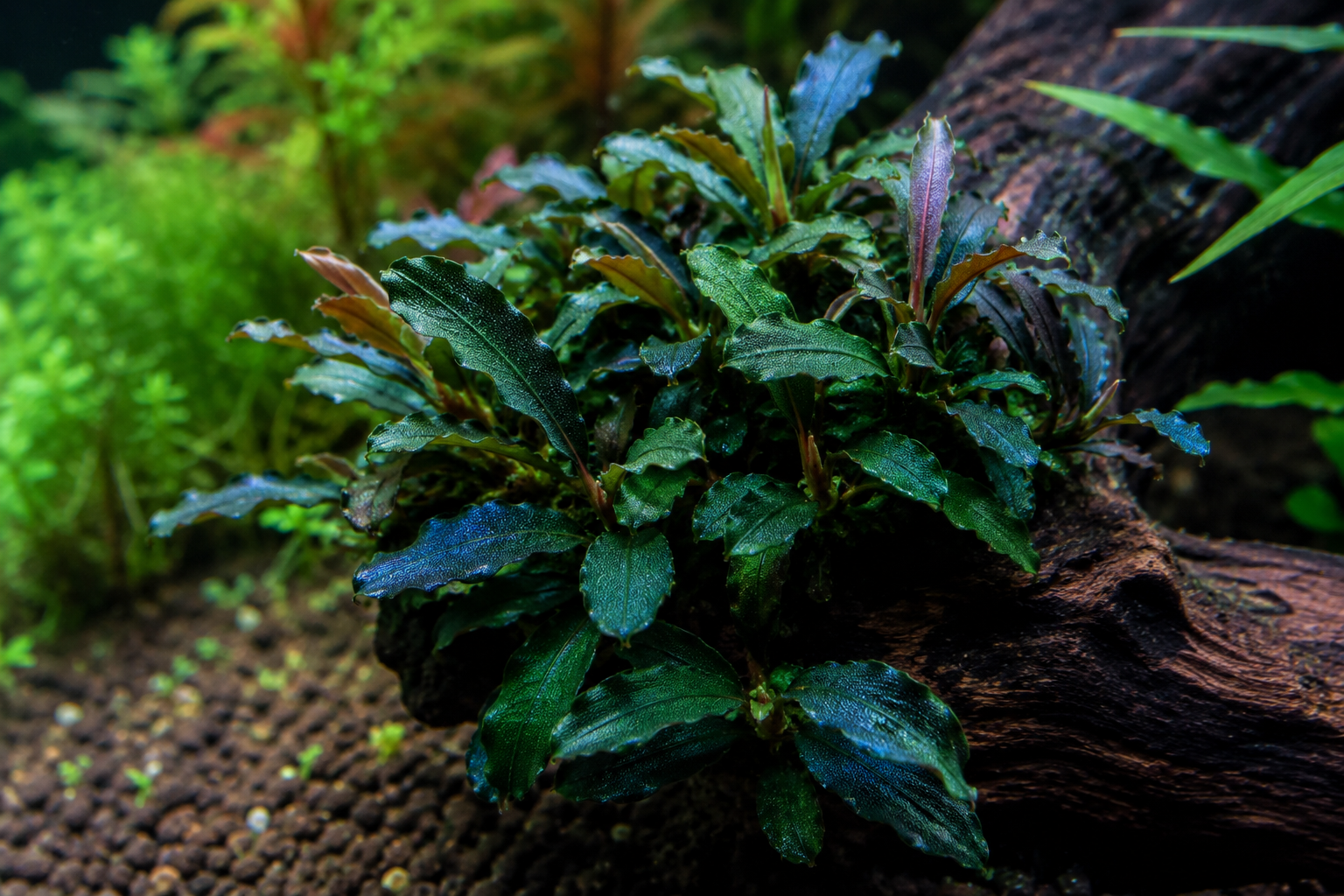
Bucephalandra
Best for: Aquascapes, nano aquariums and attaching to rocks or driftwood
As an Amazon Associate, we earn from qualifying purchases.
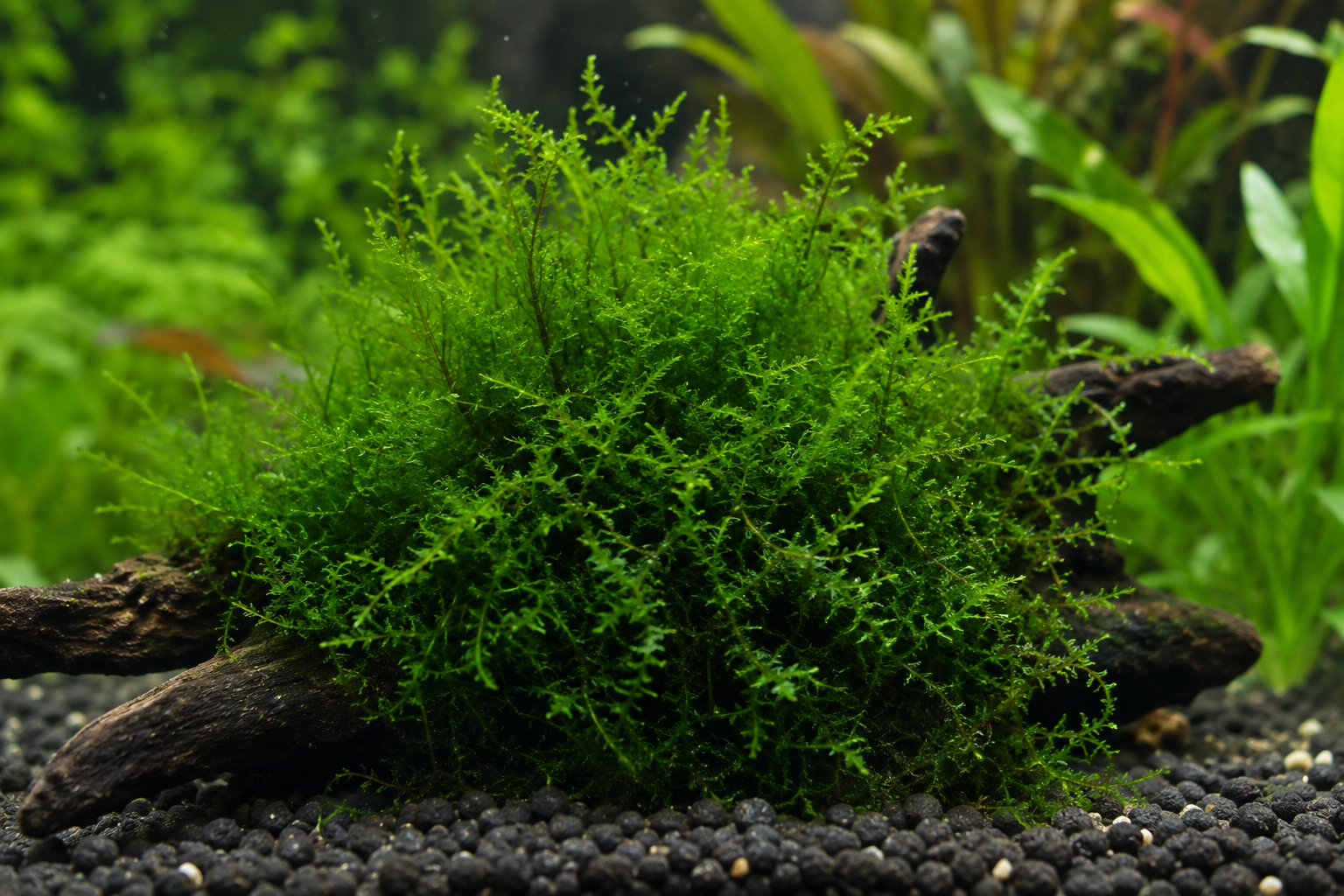
Java Moss
Best for: Beginners, shrimp tanks, breeding aquariums and natural aquascapes
As an Amazon Associate, we earn from qualifying purchases.
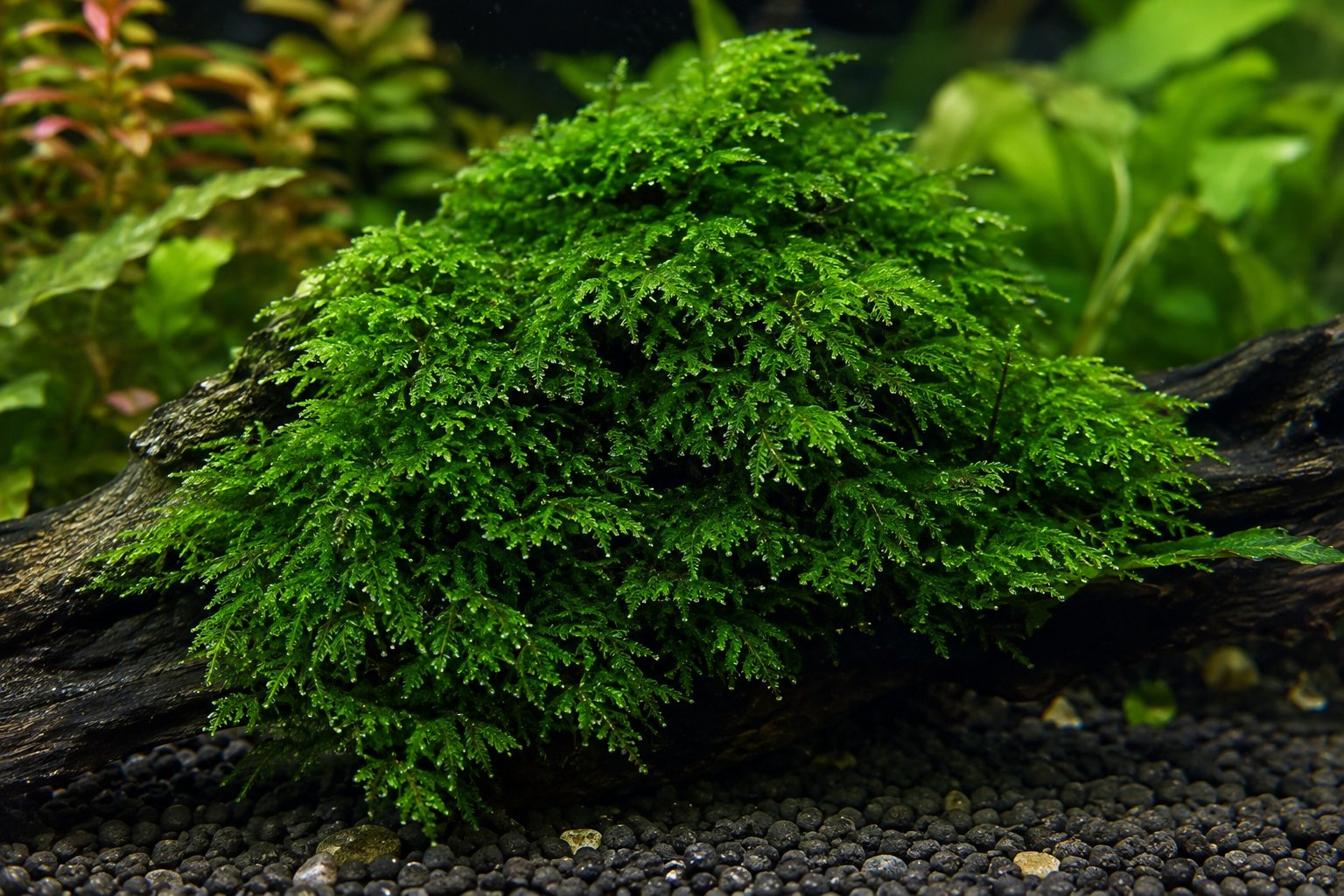
Christmas Moss
Best for: Aquascaping, shrimp tanks, breeding aquariums and attaching to wood or rock
As an Amazon Associate, we earn from qualifying purchases.
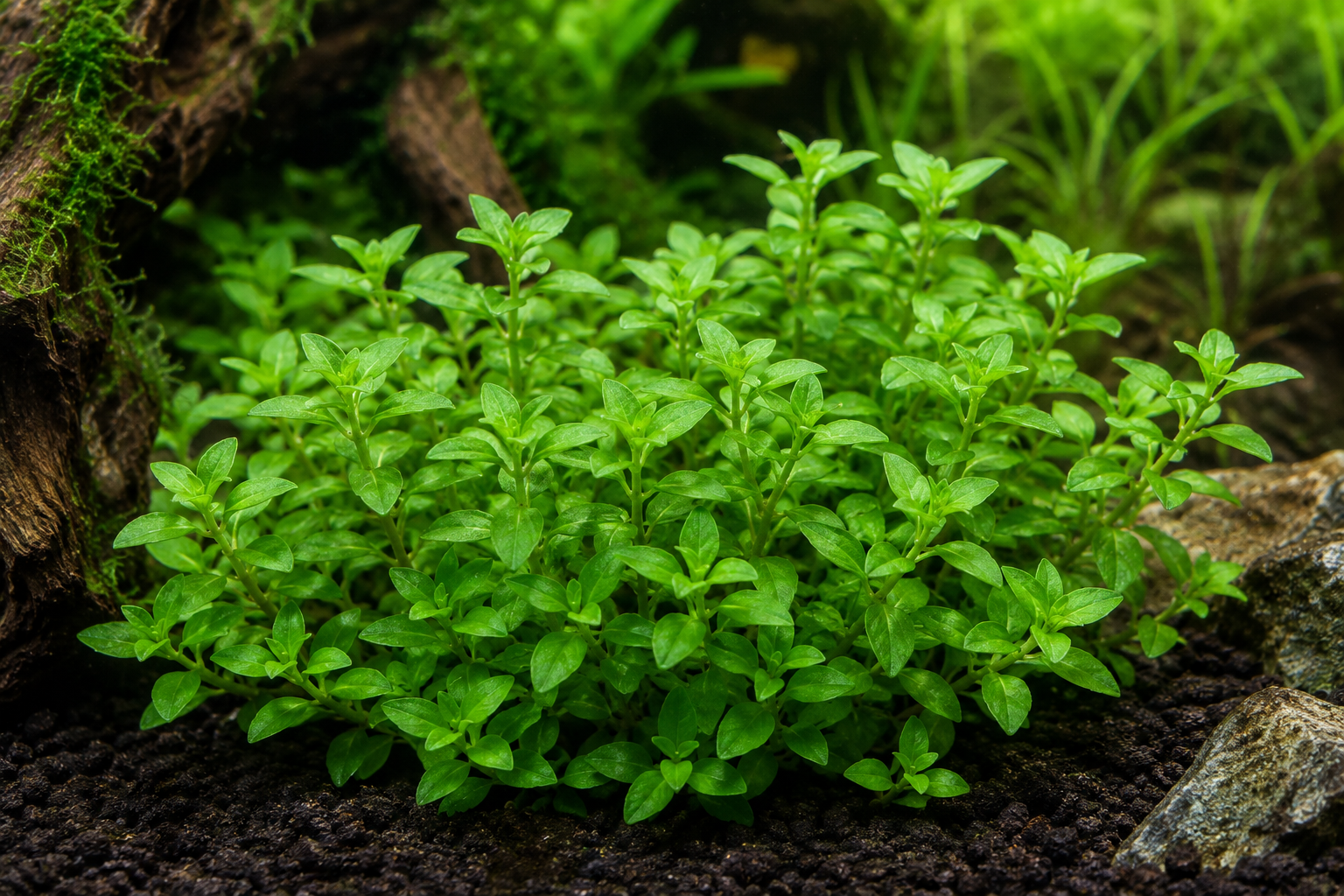
Staurogyne Repens
Best for: Foreground planting, low-tech aquascapes and creating dense green coverage
As an Amazon Associate, we earn from qualifying purchases.
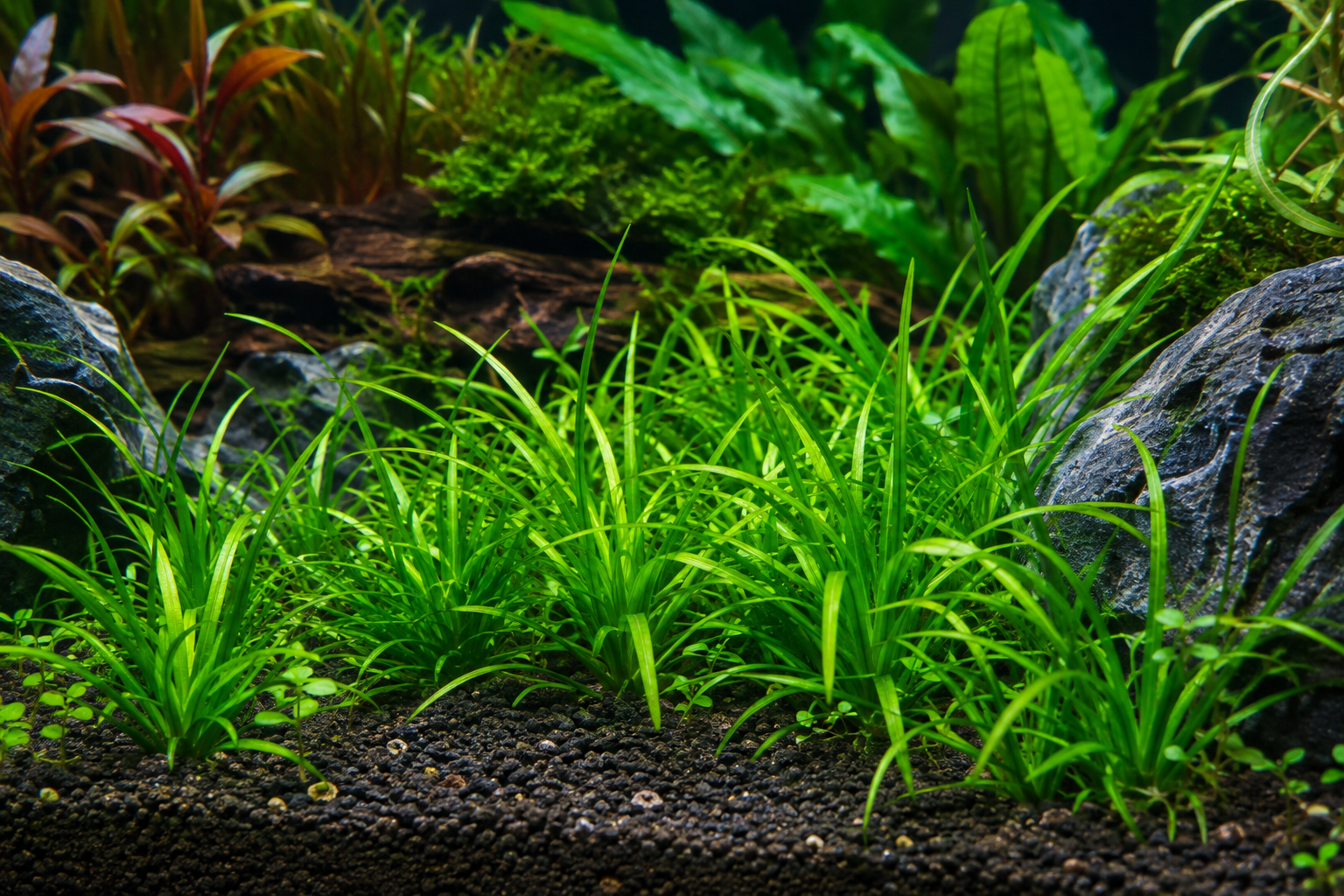
Sagittaria Subulata
Best for: Foreground planting, beginners and natural low-tech aquascapes
As an Amazon Associate, we earn from qualifying purchases.
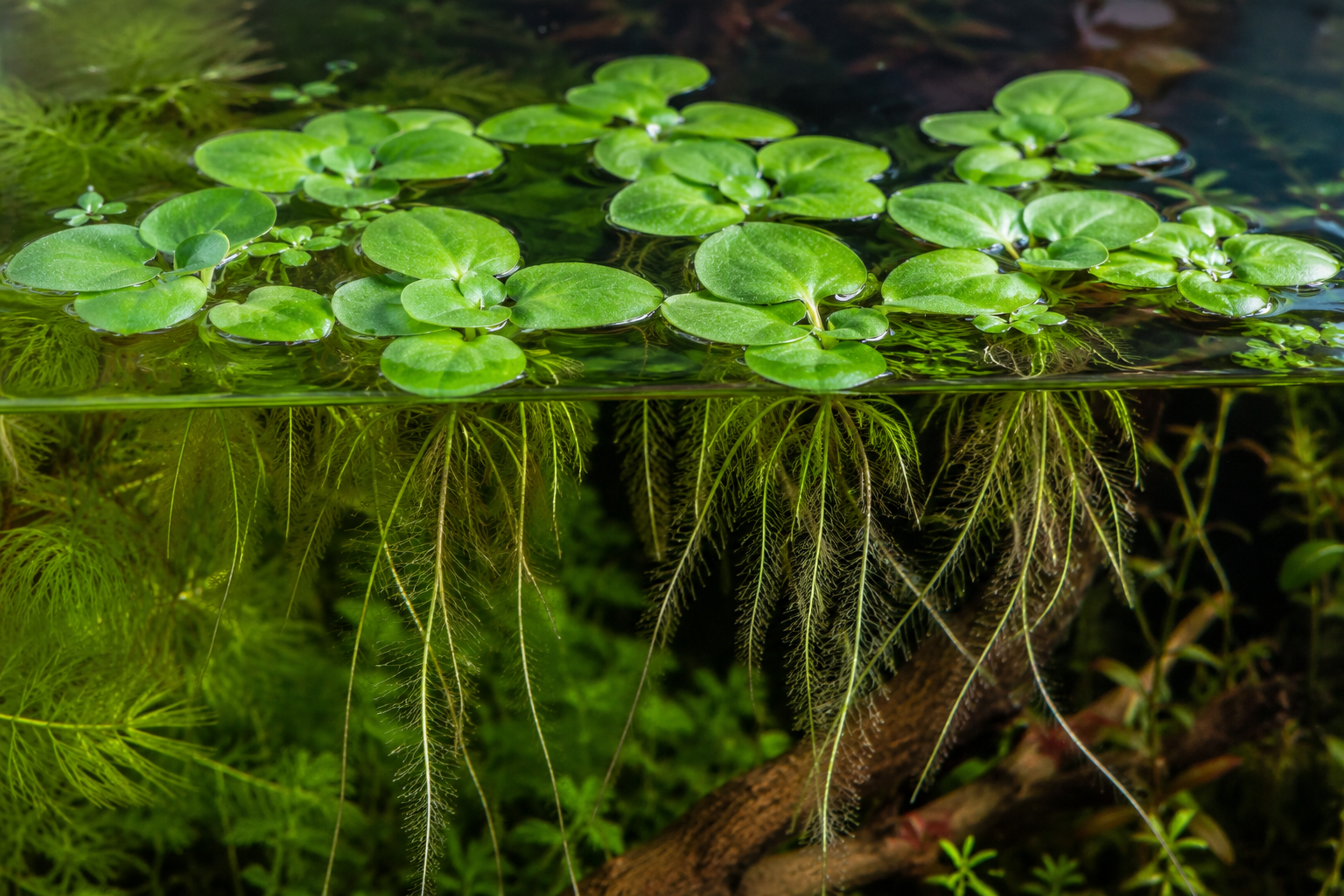
Amazon Frogbit
Best for: Natural aquariums, fry tanks, shrimp tanks and surface cover
As an Amazon Associate, we earn from qualifying purchases.
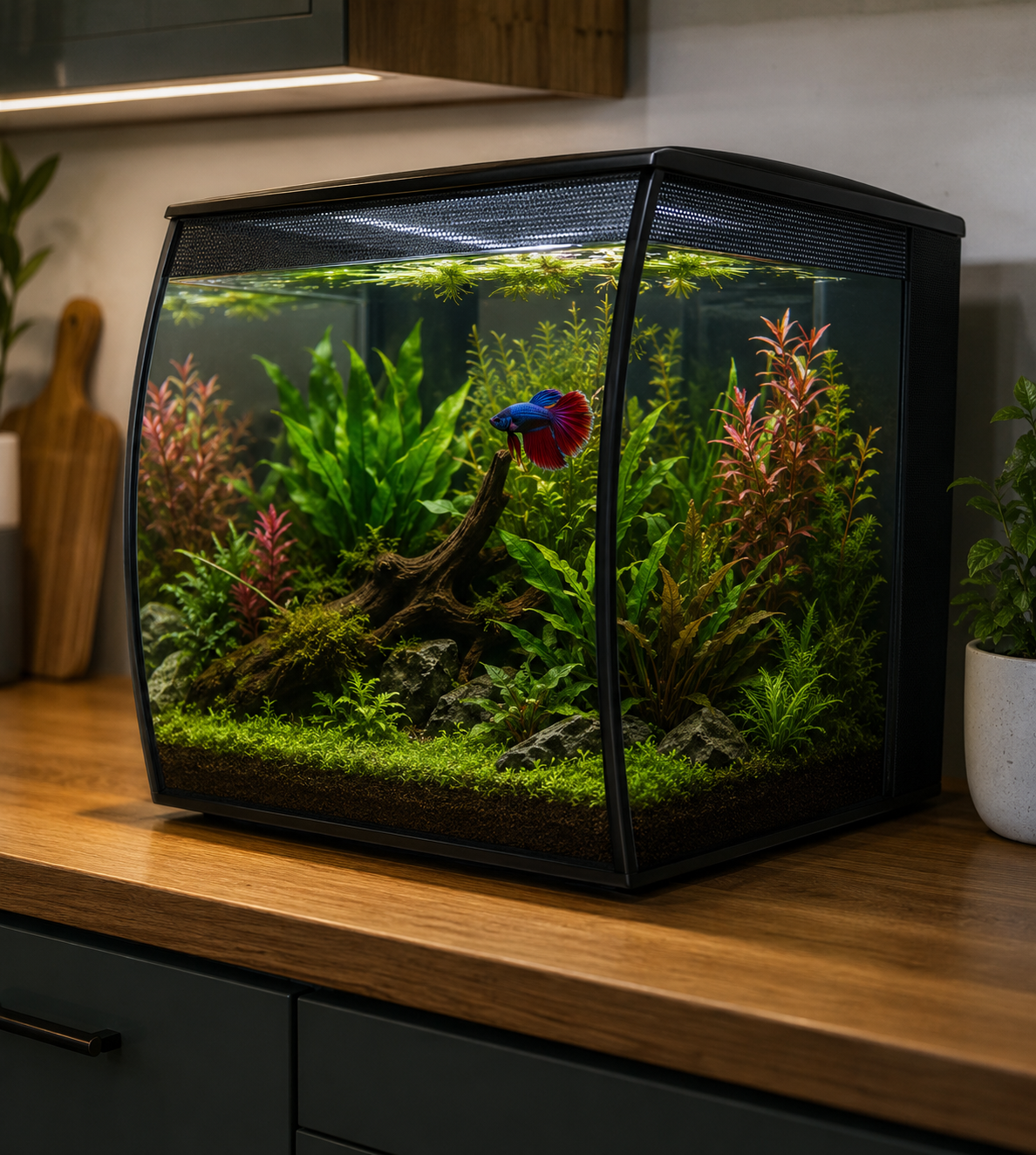
Fluval
Fluval Flex 2.0 34L Nano Aquarium
Best for: Small planted aquariums, shrimp and nano freshwater setups
As an Amazon Associate, we earn from qualifying purchases.